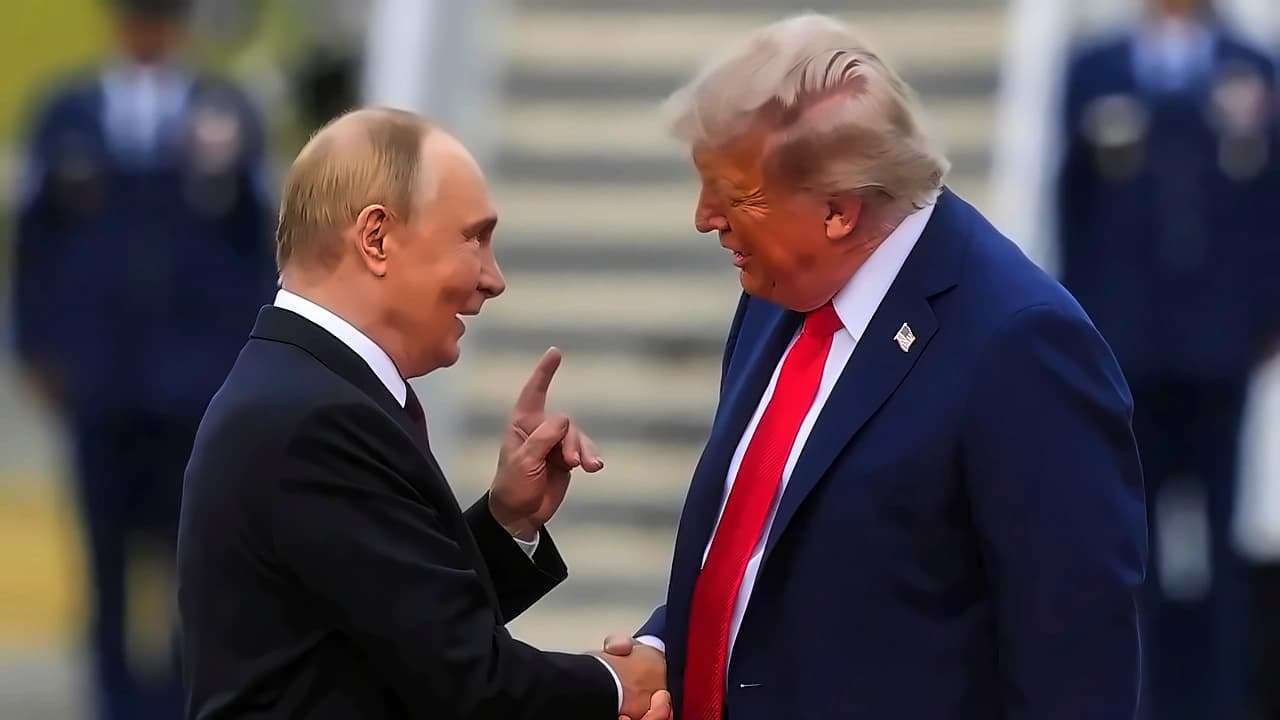
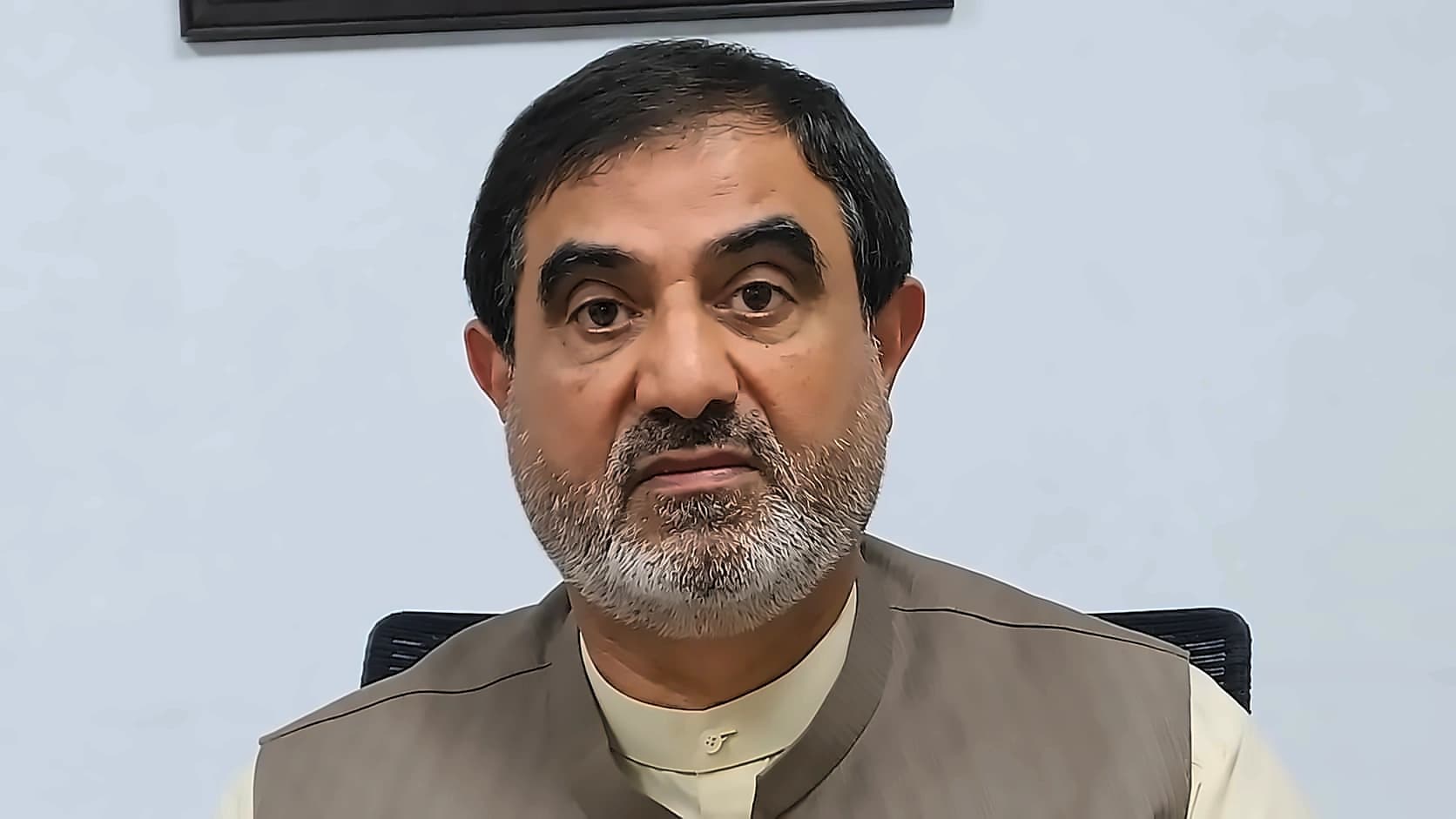
Taliban Foreign Minister Amir Khan Muttaqi has revealed that Afghanistan is offering the United States complete investment access to the country's estimated $1 trillion in unexplored mineral resources. According to reports from The Financial Times, this strategic offer comes as the Taliban government seeks to re-establish diplomatic ties with Washington. The proposal represents a significant economic incentive as the Taliban leadership attempts to secure sanctions relief and access to blocked central bank assets. The Taliban regime aims to rebuild relations with Washington by opening up Afghanistan's mineral resources, estimated to be worth trillions of dollars, to American companies. As reported by The Financial Times, Muttaqi responded that Afghanistan would 'absolutely' welcome US investments in industries including mining, infrastructure, agriculture, and trade when asked about his ties with the Trump administration. The offer comes five years after the Taliban returned to power following the withdrawal of US-led NATO forces from Afghanistan.
As reported by The Financial Times, the Taliban leadership is making an outreach to the Trump administration through this mineral resource offer. The timing of this disclosure coincides with the Taliban government's broader efforts to re-establish diplomatic relations with the United States. Muttaqi told the Financial Times in his office in Kabul that 'Relations between Afghanistan and the United States should not be assessed through the lens of the past 20 years of war, but rather based on future co-operation.' The offer is specifically designed to address the economic challenges facing Afghanistan, which is described as one of the world's poorest nations. Taliban Minister Amir Khan Muttaqi has invited American companies to invest in Afghanistan's mining and infrastructure, proposing that commercial cooperation replace two decades of military conflict. Despite concerns about the Taliban's treatment of women and girls, the group has continued its diplomatic outreach with China, India, Iran, Qatar and several Central Asian countries opening channels with Kabul or hosting Taliban officials.
According to the Financial Times report, the Taliban government is seeking sanctions to be lifted and blocked assets to be released to aid Afghanistan's economic recovery. The mineral resource offer is positioned as a strategic economic incentive to persuade the United States to support these relief measures. The Taliban also demands approximately $9.5 billion in frozen assets, while Western governments remain concerned about women's rights restrictions. The Taliban's treatment of women and girls remains a major barrier to international engagement, with the group imposing wide-ranging restrictions on women's education, employment and participation in public life. These policies have drawn widespread international condemnation, with the International Criminal Court issuing an arrest warrant against Taliban leader Hibatullah Akhundzada over alleged gender-based persecution. Foreign diplomats in Kabul warned that potential US investors would have to deal with UN and Western sanctions against key Taliban officials, notably Muttaqi, who has spent decades at the top of the Islamist group's leadership.
Afghanistan has offered the United States access to mineral resources in an attempt to achieve the lifting of sanctions and the unfreezing of assets, as reported by The Financial Times. According to geological investigations conducted by the US and the government of Afghanistan, which the West supports, the nation possesses at least $1 trillion in mineral resources, including substantial amounts of copper, iron ore, niobium, cobalt, gold, and lithium, which are largely unexplored due to decades of fighting. The Taliban claims Afghanistan possesses approximately $1 trillion in untapped minerals, having concluded more than $7 billion in mining agreements since 2021, though the figure represents estimated resources rather than commercial valuation. These projects cover resources including gold, gemstones and chromite, involving countries such as China and Iran. However, security risks, sanctions, and the absence of international recognition complicate Afghan investment. Despite some improvement in security since the withdrawal of NATO-led forces, Afghanistan remains one of the world's poorest countries, with more than 14 million people, or around one-third of the population, facing acute hunger.
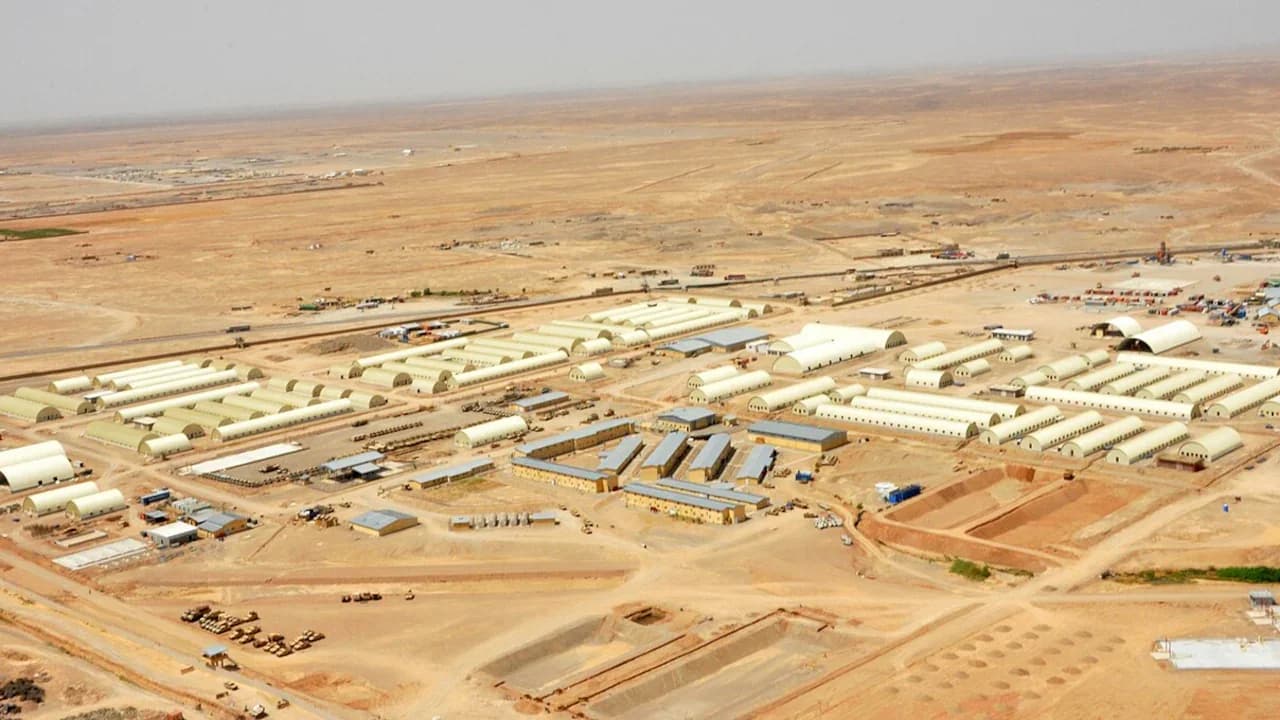
Afghanistan's central bank estimates that around $9.5 billion of its reserves remain outside the country, with approximately $7 billion held in the US. Washington moved $3.5 billion into the Switzerland-based Afghan Fund in 2022 to support Afghanistan's financial stability while keeping the money out of the Taliban's direct control. The fund has since grown to more than $4 billion with interest, according to the Financial Times. Taliban Minister Muttaqi told the Financial Times that sanctions 'did not achieve their intended objectives' and argued that Afghan assets should not be used as a political tool. 'No individual, government or institution should use the assets of the Afghan people as a tool of political pressure,' he stated. However, Trump has shown limited interest in closer economic ties with the Taliban, instead pushing for the US to regain control of Bagram air base, located north of Kabul. The Taliban has rejected this proposal, with Muttaqi stating that 'All military and civilian facilities in Afghanistan, including Bagram, are national assets of Afghanistan.'