
Special-purpose acquisition companies are experiencing a resurgence as a wave of blockbuster IPOs creates an opening for smaller firms. According to reports from Reuters, this renewed relevance comes as a more mature SPAC market emerges, offering a quicker path to public markets with greater certainty on valuation and timing, especially for companies seeking to avoid competition with mega-IPOs. The structure had fallen out of favour after hundreds of blank-cheque companies rushed to market during the pandemic, only for many to struggle to find acquisition targets or deliver poor returns after completing mergers.
There is substantial capital available for SPAC transactions. As reported by Reuters, there is $56.8 billion in capital waiting to be deployed across 359 SPACs as of June 17, according to SPAC Research. The sectors most likely to attract SPAC deals include energy, defence, critical minerals, nuclear, space and crypto, along with smaller international firms seeking access to US capital markets, according to industry experts.
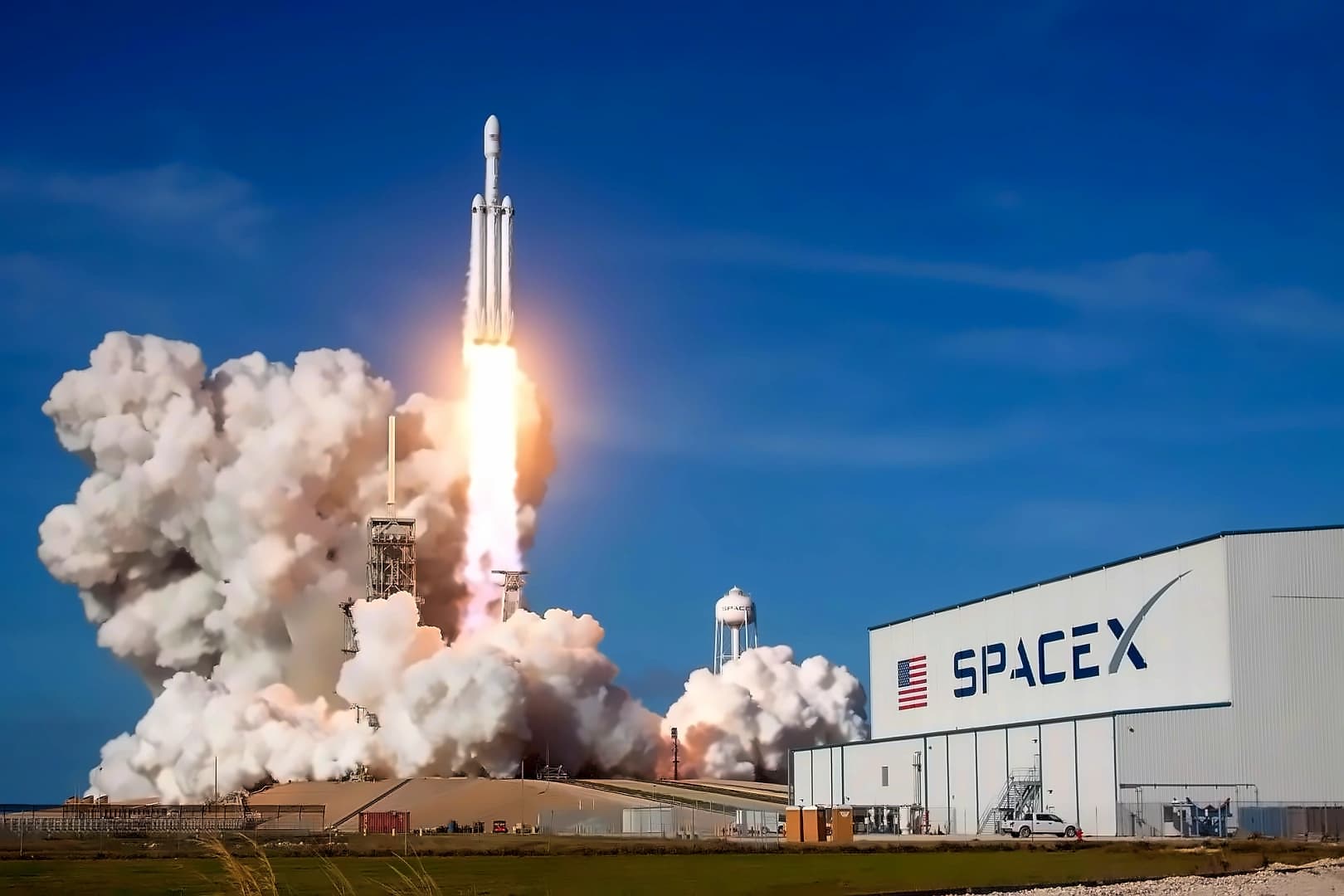
The expected rush of marquee listings has intensified the appeal of SPACs. According to Reuters, SpaceX kicked off the mega-IPO wave with a record-breaking offering last week that valued the company at roughly $1.8 trillion. AI firms Anthropic and OpenAI have also confidentially filed for US listings expected later this year, setting the stage for one of the busiest periods for high-profile offerings in recent memory. As reported by Michael Ashley Schulman, partner at financial adviser Cerity Partners, a parade of mega-IPOs could make life harder for smaller issuers, with giant names soaking up headlines, analyst attention, institutional bandwidth and a meaningful share of available capital. "A SPAC could open a quick side entrance," Schulman stated.
Industry professionals are noting increased interest in SPAC transactions. Michelle Gasaway, partner at law firm Skadden, said interest in SPAC transactions has increased compared with two years ago, as reported by Reuters. She cited flexibility in timing and the ability to negotiate valuations directly rather than relying solely on market demand. "That all makes it appealing for companies that do not want to compete for attention in a crowded IPO market," Gasaway stated.