SpaceX has struck a multiyear deal with chipmaker Qualcomm to develop key network technology for Starlink Mobile, marking another significant step in Elon Musk's company's challenge to established US wireless carriers Verizon, AT&T and T-Mobile. The partnership will see Qualcomm supply cellular infrastructure technology to help SpaceX build a terrestrial mobile network that complements Starlink's satellite-based services, with the rollout expected to begin next year. Under the agreement, SpaceX will deploy Qualcomm's Dragonwing cellular infrastructure hardware and software in base stations, providing high-capacity coverage through a network of ground-based mobile sites. As reported by Livemint, the terrestrial infrastructure will work alongside Starlink's satellite capabilities, combining conventional cellular coverage with satellite connectivity. SpaceX plans to use the technology to establish tens of thousands of new cell sites, though the company has not yet identified cell tower operators or disclosed how many additional towers the network will require.
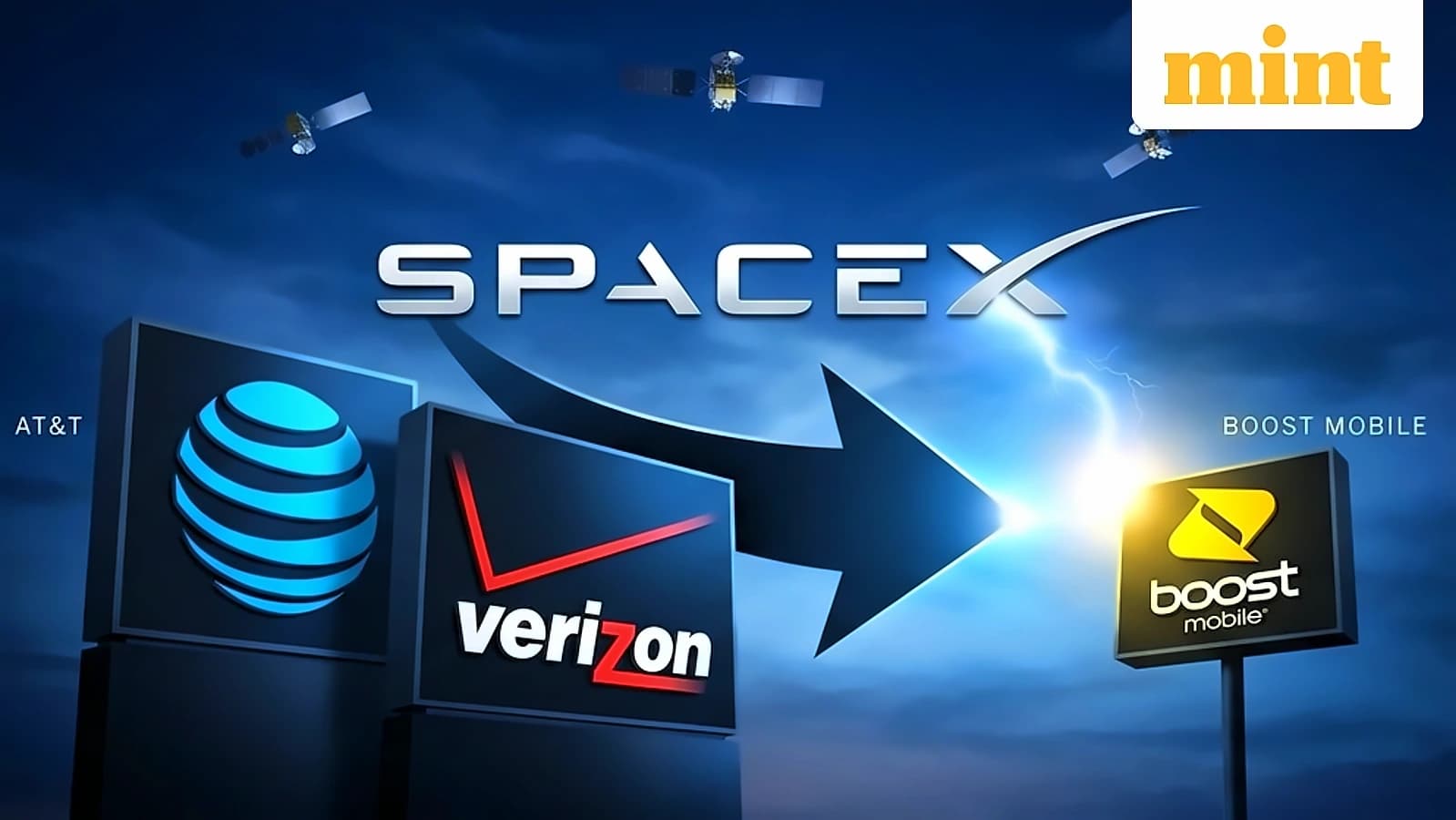
Donald Trump and Jim Cramer both defended SpaceX on Monday, after reports that Elon Musk's company is in talks to buy Boost Mobile, a US phone carrier with about 7 million customers. The political support comes as SpaceX stock trades near $137 on Monday, barely above its $135 initial public offering price. Trump told Fox Business on October 24 that "Elon has done nothing wrong" and said Musk must be protected if Democrats put SpaceX at risk. Cramer, the CNBC host, said Boost would settle doubts about SpaceX's reach, stating that "SpaceX may have a ton of stock coming to market but this Boost Mobile possibility (Echostar owned) would end any question that it doesn't have the reach to compete."
SpaceX is in talks with EchoStar to acquire Boost Mobile or access its network to launch a US wireless service, according to The Washington Post reported Monday, citing people familiar with the discussions. The talks, which have been under way for several months, centre on how SpaceX could establish its own mobile service by combining satellite connectivity with traditional terrestrial networks. Elon Musk met EchoStar Chairman Charlie Ergen last month as the companies explored possible arrangements for this strategic expansion. The negotiations could result in SpaceX purchasing Boost Mobile outright or securing access to its existing mobile network arrangements with AT&T and T-Mobile, with Musk personally participating in negotiations. As reported by Reuters, the move would support SpaceX's plans to build a hybrid satellite-terrestrial mobile network through Starlink Mobile, combining its satellite constellation with ground-based infrastructure to challenge US wireless giants AT&T, Verizon and T-Mobile.
EchoStar shares rose 6.5% before Monday's open following the latest developments, while SpaceX stock trades near $137 as of Monday. The positive market response reflects investor optimism about SpaceX's potential entry into the competitive wireless market. However, neither company has announced a definitive agreement, and the discussions remain preliminary. The Washington Post reported that SpaceX has been exploring ways to establish a branded wireless service through a commercial arrangement with EchoStar, though the report did not disclose potential acquisition terms, transaction valuations or a timetable for reaching an agreement. Under the IPO terms, many early investors agreed to a staggered 180-day lockup, a ban on selling, which starts to lift in December.
EchoStar's wireless operations had 7.38 million customers at the end of the second quarter, with Boost Mobile and Gen Mobile accounting for the bulk of its subscribers, as reported by The Washington Post. Acquiring Boost Mobile could give SpaceX an immediate foothold in the highly competitive US wireless market, including an existing subscriber base and an established distribution network. However, a potential acquisition could come with contractual complications, as Boost Mobile currently relies on network access agreements with AT&T and T-Mobile. Under the alternative structure being considered, SpaceX could seek to use these arrangements to introduce a branded mobile service, providing access to established terrestrial wireless infrastructure without requiring SpaceX to construct an entirely new nationwide mobile network. The proposed service may need consent from AT&T and T-Mobile, as Boost Mobile's existing network-leasing agreements may not be transferable to a new owner without the carriers' approval.
SpaceX is working towards building a nationwide mobile operator under the proposed Starlink Mobile brand, according to The Washington Post. The service is expected to combine its constellation of satellites in low Earth orbit with ground-based telecommunications infrastructure. The strategy would allow SpaceX to extend connectivity beyond the reach of conventional mobile networks while competing for customers in a market dominated by AT&T, Verizon and T-Mobile. A Boost Mobile acquisition could help shorten the path to commercial expansion by providing an existing customer base, retail distribution and a recognised wireless brand. As reported by Reuters, acquiring Boost Mobile or accessing its network could give SpaceX a ready-made subscriber base and distribution platform to accelerate its plans. The discussions come as SpaceX seeks to turn Starlink into a broader mobile connectivity business, with the company having already made significant investments to support this expansion.
SpaceX has made substantial investments to support its wireless expansion strategy, including a $8 billion acquisition of low-band wireless spectrum portfolio in October, according to earlier Reuters reports. The spectrum is expected to strengthen Starlink Mobile's ability to provide cellular connectivity, as low-band frequencies can travel longer distances and penetrate buildings more effectively than higher-frequency signals. This followed a separate $17 billion agreement with EchoStar in September 2025, covering wireless spectrum licences and including a commercial arrangement under which Boost Mobile subscribers would gain access to Starlink's next-generation direct-to-cell service. The company's direct-to-cell technology is designed to connect compatible smartphones to satellites, extending connectivity to areas where conventional mobile networks are unavailable. SpaceX president Gwynne Shotwell indicated in August that the company intended to build the infrastructure needed to turn Starlink into a full-fledged mobile service, expecting to attract customers from the three largest US wireless carriers.