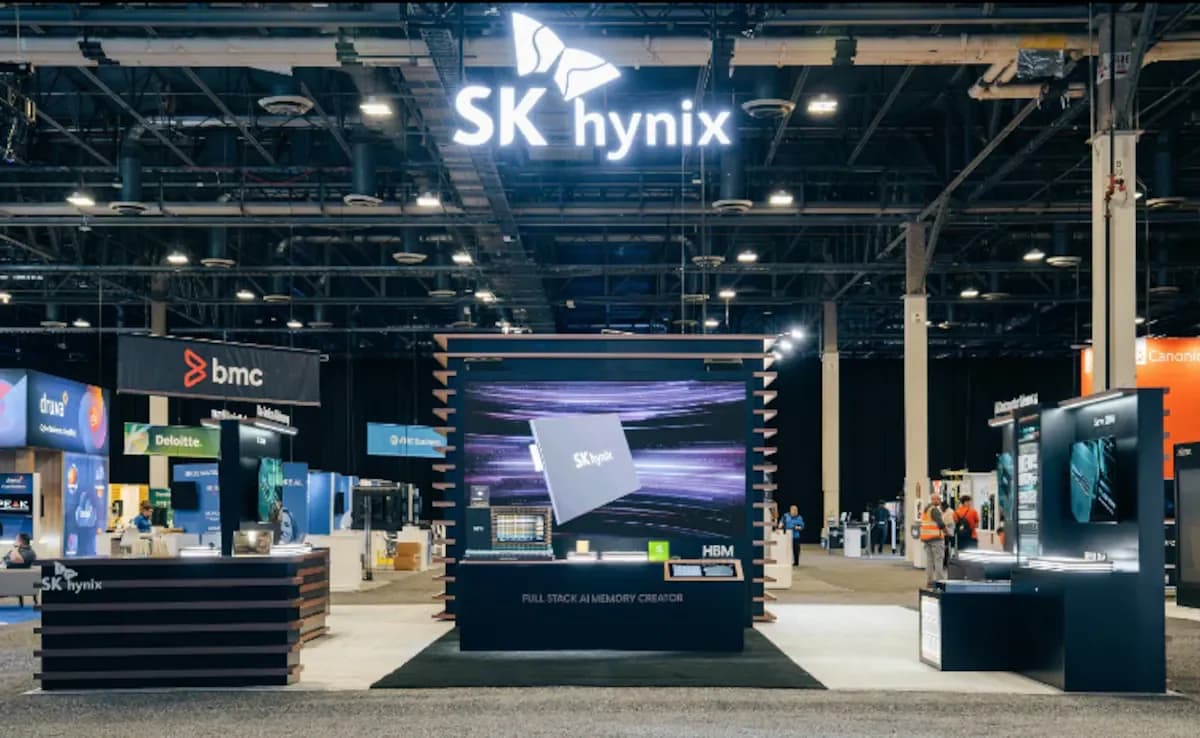
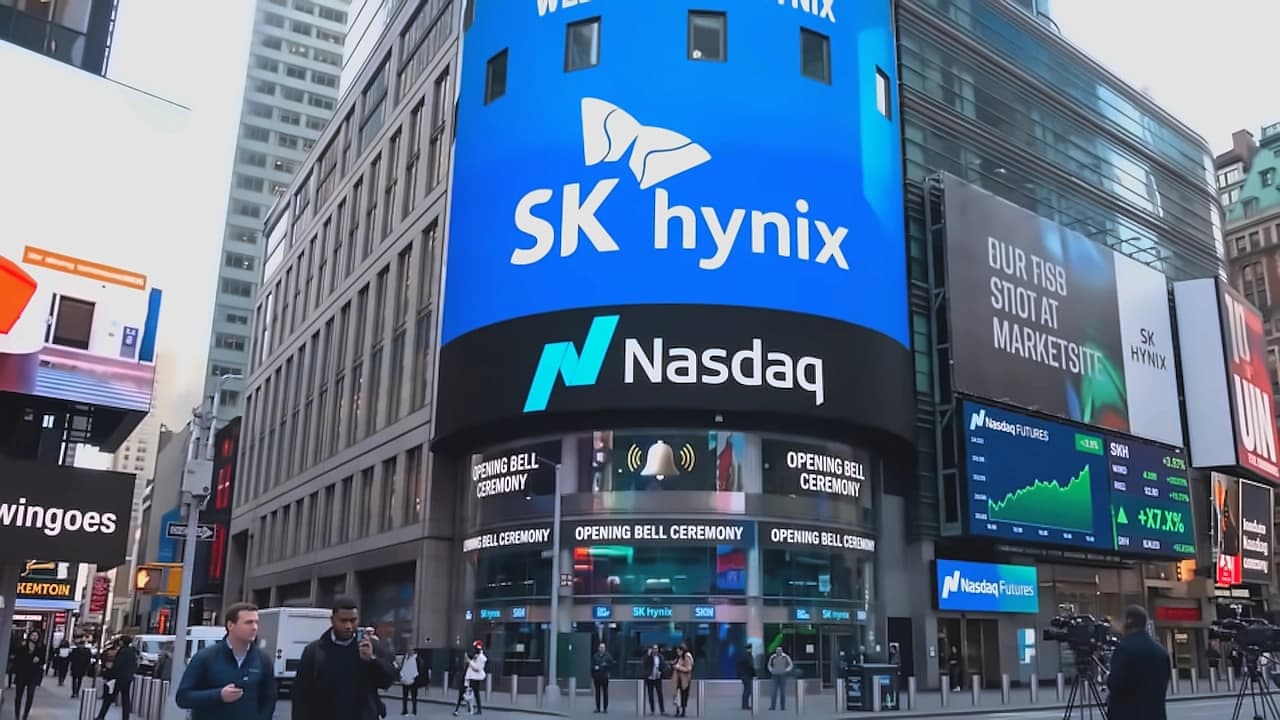
South Korean semiconductor giant SK Hynix Inc. officially joined the prestigious $1 trillion market-cap club for the first time on Wednesday, with shares jumping as much as 14.9% to take the company's market value to a record 1,680 trillion won. The company's stock price has exploded by more than 900% over the past 24 months, driven by strong demand for Nvidia-linked HBM chips. This milestone comes as part of a broader semiconductor sector rally that has seen significant market value increases across major chipmakers, with the KOSPI rising by more than 5% to reach a record high of 8,457.09 points. The company became the third chip company ever to cross the trillion-dollar mark, after Nvidia and TSMC, and the first dedicated memory specialist to achieve this milestone.
The global semiconductor sector has reached unprecedented heights with Samsung Electronics Co. crossing the $1 trillion market value mark on May 6, followed by American chipmaker Micron Technology reaching the same milestone on Tuesday, as reported by The Economic Times. With these rapid market gains, only three Asian companies have ever entered the elite $1 trillion club, including Taiwan's Taiwan Semiconductor Manufacturing Company (TSMC). This achievement makes South Korea the first country outside the United States to boast more than one corporation in this exclusive valuation bracket. Led by the two chipmakers, Samsung and SK Hynix now account for half of the KOSPI index by market capitalisation, highlighting the dominance of South Korea's semiconductor sector in the global AI boom.
Strong demand for high-end memory chips used in AI chipsets has created unprecedented market conditions, with memory chip prices doubling in the first quarter alone from the previous period and forecast to climb up to 63% in the current quarter due to AI data centre demand. According to Mirae Asset Securities analyst Kim Young-gun, memory chip demand is expected to continue exceeding supply by 2028 to keep price levels high. The surge has been so intense that it triggered a "sidecar" curb that temporarily halted algorithmic trading on Wednesday. UBS has more than tripled its target price for Micron, citing the structural changes AI has driven to the entire memory complex. Samsung shares have risen 149% so far this year, while SK Hynix shares are up 215% and Micron shares are up 245%, reflecting strong investor confidence in the AI semiconductor market.
According to Counterpoint Research data, SK Hynix retained 57% of global HBM market share by revenue in the fourth quarter of 2025, with Samsung following at 22% and Micron at 21%. The company's structural advantage lies in its 70% share of HBM4 orders for Nvidia's Vera Rubin platform, as estimated by UBS. Each Rubin unit consumes 288GB of HBM4 across eight stacks, with the system rated at 22 TB/s of system bandwidth. Barclays analysts expect SK Hynix to remain the leader in high-bandwidth memory, with product pricing expected to remain favorable due to supply tightness continuing through 2027. In April, SK Hynix reported a 137% surge in operating profit to 19.2 trillion won in the fourth quarter, driven by AI-related demand as well as tighter conditions across conventional DRAM and NAND.
The massive stock rally has helped lift the KOSPI to record gains, with the index emerging as the world's best performer in a global AI boom, rising 91% so far this year after rising 76% last year. Mirae Asset Securities has raised target prices for SK Hynix and Samsung by 18.8% and 14.6% respectively, to 3.8 million won per share and 550,000 won. US retail investors have invested billions of dollars into new exchange-traded funds (ETFs) giving exposure to Samsung and SK Hynix, with the first South Korean single-stock leveraged ETFs linked to the companies surging on their market debut. Despite the rapid ascent, SK Hynix shares trade at six times one-year forward earnings, compared with 27 times for the Philadelphia Semiconductor Index. As per Janus Henderson portfolio manager Richard Clode, memory stocks have led the extraordinary surge since late March lows, justified by very strong AI demand driving record margins and now long-term contracts making this cycle more durable.