Singapore has launched its dedicated gold-clearing system on March 27, 2026, marking a significant milestone in establishing the city-state as a major bullion trading and storage hub. The Singapore Exchange (SGX) will establish an over-the-counter gold clearing system for Loco Singapore by the end of this year, as announced by Deputy Prime Minister Gan Kim Yong at the Asia-Pacific Precious Metals Conference on Monday. Six banks - DBS, Deutsche Bank, ICBC Standard Bank, J.P. Morgan, OCBC and UOB - will serve as clearing members for this system, which facilitates over-the-counter settlements specifically for large gold bars and kilobars. This initiative is part of Singapore's broader strategy to enhance liquidity in its precious metals market while adhering to international logistics and vaulting standards. Interbank trading is expected to build up from 2027, with the system supporting both large bars and kilobars, enabling standardised settlement during Asian trading hours.

The Monetary Authority of Singapore (MAS) will introduce central bank gold-vaulting services by October this year, providing foreign central banks and sovereign entities with a secure location to store their gold reserves. As reported by Reuters, this initiative aims to attract international institutional demand for precious metals storage. Deputy Prime Minister Gan Kim Yong emphasized that "this strengthens Singapore's proposition as a jurisdiction where reserve assets can be securely held, actively managed, and connected to wider market liquidity during Asian trading hours." Additionally, MAS will remove a 5% cap on physical investment precious metals under tax incentive schemes for eligible funds and family offices, further enhancing the attractiveness of Singapore's bullion services. The target for vault capacity is set at over 2,000 tons within three years, significantly increasing Singapore's gold storage capabilities and positioning the city-state as a major regional storage hub. MAS will extend gold accounts to a select group of Singapore-based bullion banks, enabling them to better provide gold-related services and liquidity to foreign central banks and sovereign entities.
Singapore's strategic push comes as Asia accounts for approximately 70% of global gold demand, yet price-setting still occurs primarily in London and New York. As reported by Reuters, Deputy Prime Minister Gan Kim Yong described price discovery concentrating in London and New York as a structural problem, particularly painful during Asian trading hours when liquidity thins and large trades become harder to execute. Singapore is not seeking to replace these established markets but aims to serve as a connecting node during Asian hours, linking regional demand to broader liquidity. The World Gold Council notes that OTC models suit large institutional trades better than exchange-based alternatives, giving participants more flexibility over when and how they trade. This positioning addresses the critical gap where Asia's dominant consumption patterns have never been matched by adequate regional infrastructure for gold trading and storage.
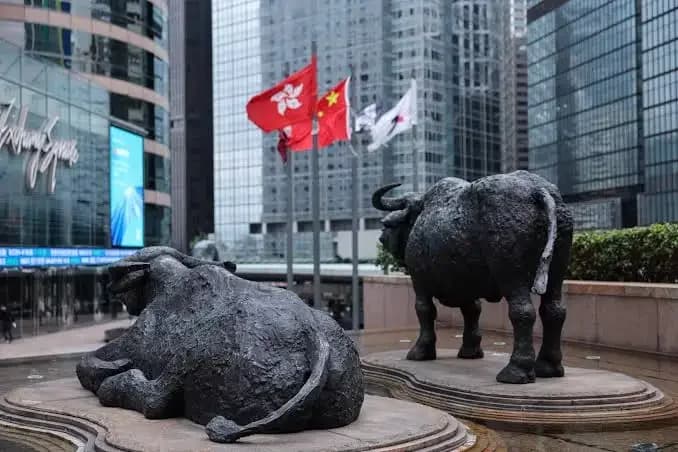
Singapore's push comes with direct competition from Hong Kong, which is targeting July for the launch of its own gold clearing system and is also relaunching gold futures. According to Reuters, Gold prices have climbed sharply this year, drawing more institutional attention to the metal and raising the stakes for both cities. Singapore's six major global banks committing to the system already signals serious commercial intent, with DBS, one of Singapore's six clearing members, preparing tokenized physical gold for retail customers. Rival OCBC is already giving institutional clients the option to buy, sell, and store physical gold in Singapore. The competitive dynamics will determine which city captures the larger share of Asia's gold clearing flows, with launch timing being just one factor in this strategic race for regional market dominance.
The latest initiatives stem from recommendations by the Gold Market Development Working Group established earlier this year, which focuses on three primary objectives: creating a clearing system that streamlines OTC gold settlement, developing capital-market products that enhance market liquidity, and setting vaulting and logistics standards that align with global benchmarks. Gan Kim Yong emphasized that "we are not seeking to replace established centres of gold trading and liquidity. Instead, Singapore can serve as a trusted node in the global gold ecosystem, connecting regional demand with global liquidity and supporting market activity during Asian hours." Singapore's "value proposition" rests on two key strengths: connectivity and trust. The Republic's financial centre is deeply connected to global markets and anchored by strong institutions operating within a robust and progressive regulatory framework. The initiatives will broaden Singapore's marketplace, so that institutions and companies can manage investments for the long term, preserve value and transact with confidence, as Singapore competes with other financial centres like Hong Kong in this strategic race for regional gold trading and storage dominance.