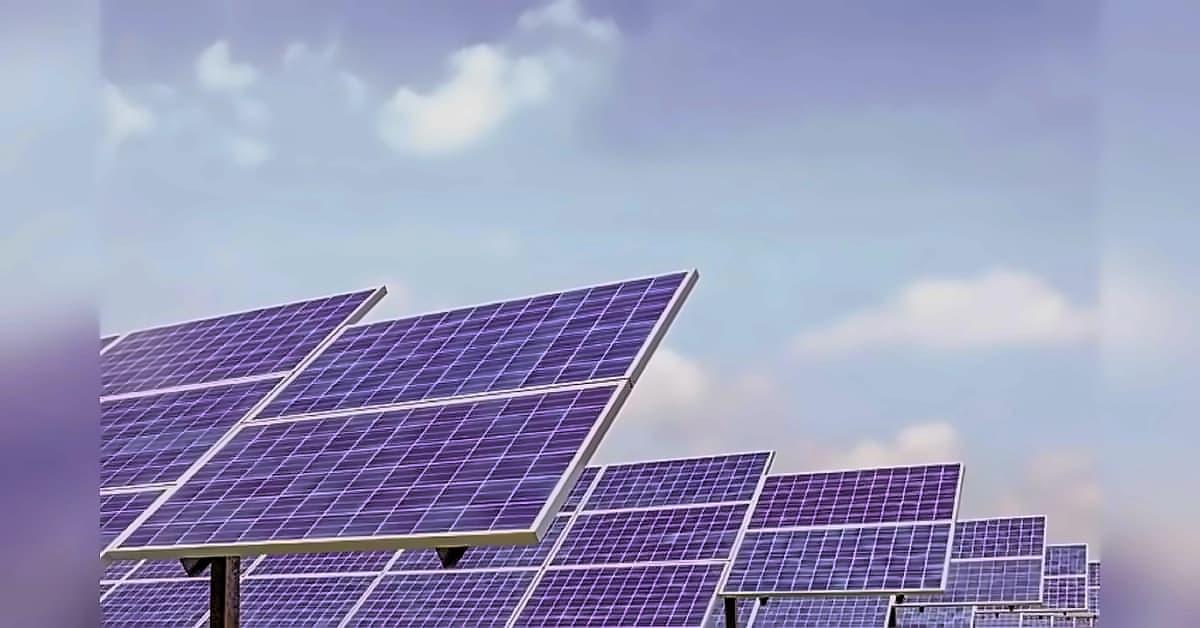
The United States has implemented minimum import prices (MIPs) and 15% tariffs on polysilicon and downstream products effective December 4, 2026, following a national security investigation under Section 232 of the Trade Expansion Act of 1962. According to Reuters and the White House proclamation, the policy establishes minimum import prices of $21 per kilogram for polysilicon, $100 per kilogram for polysilicon ingots and wafers, $0.22 per watt for solar cells, and $0.38 per watt for solar modules. The additional 15% ad valorem tariff applies to covered ingots and downstream polysilicon derivatives, including wafers, cells, and modules, in addition to other applicable duties. This comprehensive approach aims to counter foreign state-supported production, particularly in China, and strengthen U.S. supply chains serving both solar power and semiconductors.
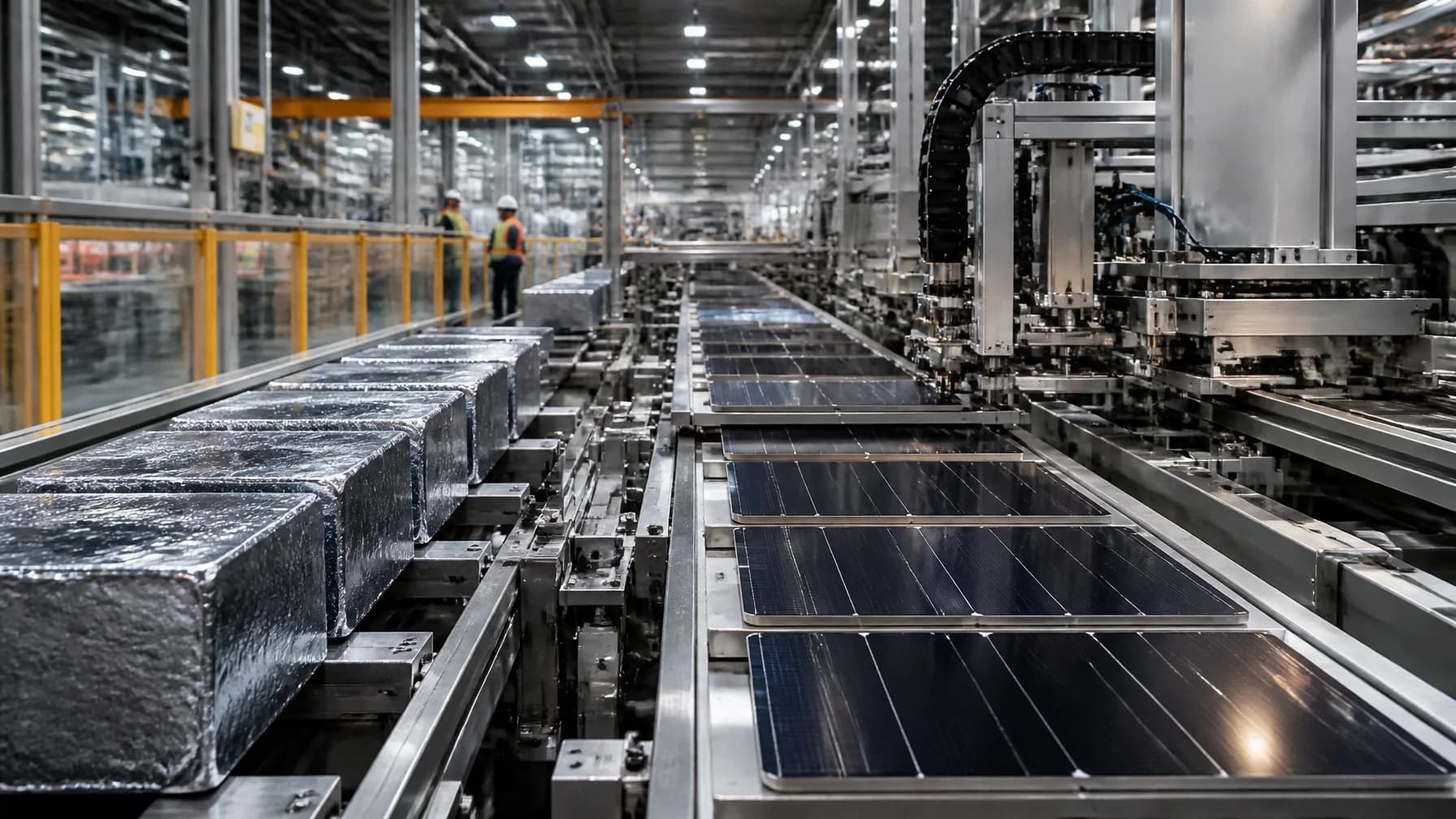
Taiwan Semiconductor Manufacturing (TSM) reported strong revenue growth with 5.6% month-over-month increase in July and 44.7% year-over-year growth to $14.51 billion. According to reports from Investing.com India, this revenue performance exceeded the company's guidance and signals positive momentum for the entire semiconductor industry. The growth reflects strong demand for semiconductor products including CPUs, GPUs, and memory chips. However, the semiconductor impact from the new polysilicon trade rules is less direct than the solar impact because polysilicon is generally a smaller portion of the total cost of an advanced chip, though the policy could still affect semiconductor manufacturers and wafer suppliers through higher input costs, revised contracts, or changes in sourcing.
Despite the positive semiconductor performance, the U.S. trade deficit is expected to continue rising due to technology imports from TSM and other Asian companies. As reported by Investing.com India, higher trade deficits from technology imports have previously curtailed second-quarter GDP growth, highlighting the economic impact of increased semiconductor imports. The new polysilicon trade rules are designed to address national security concerns, with the White House noting that global polysilicon production has increased by more than 270% since 2020 and U.S. share of global polysilicon production capacity fell from 50% in 2005 to less than 2% in 2024. The administration argues that a more diversified domestic and allied supply chain could reduce exposure to disruptions in concentrated foreign production, particularly for advanced computing, defense systems, and data-center infrastructure supporting artificial intelligence.
Phillips 66 (PSX) is proceeding with a $5 billion project called the Western Gateway Pipeline system to address California's energy needs. According to Investing.com India, the project involves building a 900-mile pipeline to transport 230,000 barrels per day of gasoline, jet fuel, and diesel from the Texas Panhandle to Arizona and California. This infrastructure development addresses California's current reliance on approximately 30% of specialty blended gasoline imports from South Korea and India. The policy creates a potential onshoring incentive, as the Secretary of Commerce may approve company-specific plans for companies that commit to building, refurbishing, or expanding U.S. facilities producing polysilicon, ingots, wafers, or cells, with approved projects required to begin construction by January 20, 2029.
California refineries face operational constraints due to new regulations requiring diesel production from organic materials like soybeans rather than crude oil. As reported by Investing.com India, this regulatory change has resulted in California refineries closing, as traditional crude oil refining typically yields 19 gallons of gasoline and 12 gallons of diesel per barrel. The remaining operational refineries now ship diesel made from crude oil to other markets including Mexico and China, creating additional logistical challenges for the state's energy infrastructure. The downside of the new polysilicon trade rules is that they raise the cost floor for imported solar components, with solar developers and utilities that purchase modules from foreign suppliers facing higher landed costs after December 4, especially when products come from countries without preferential treatment.