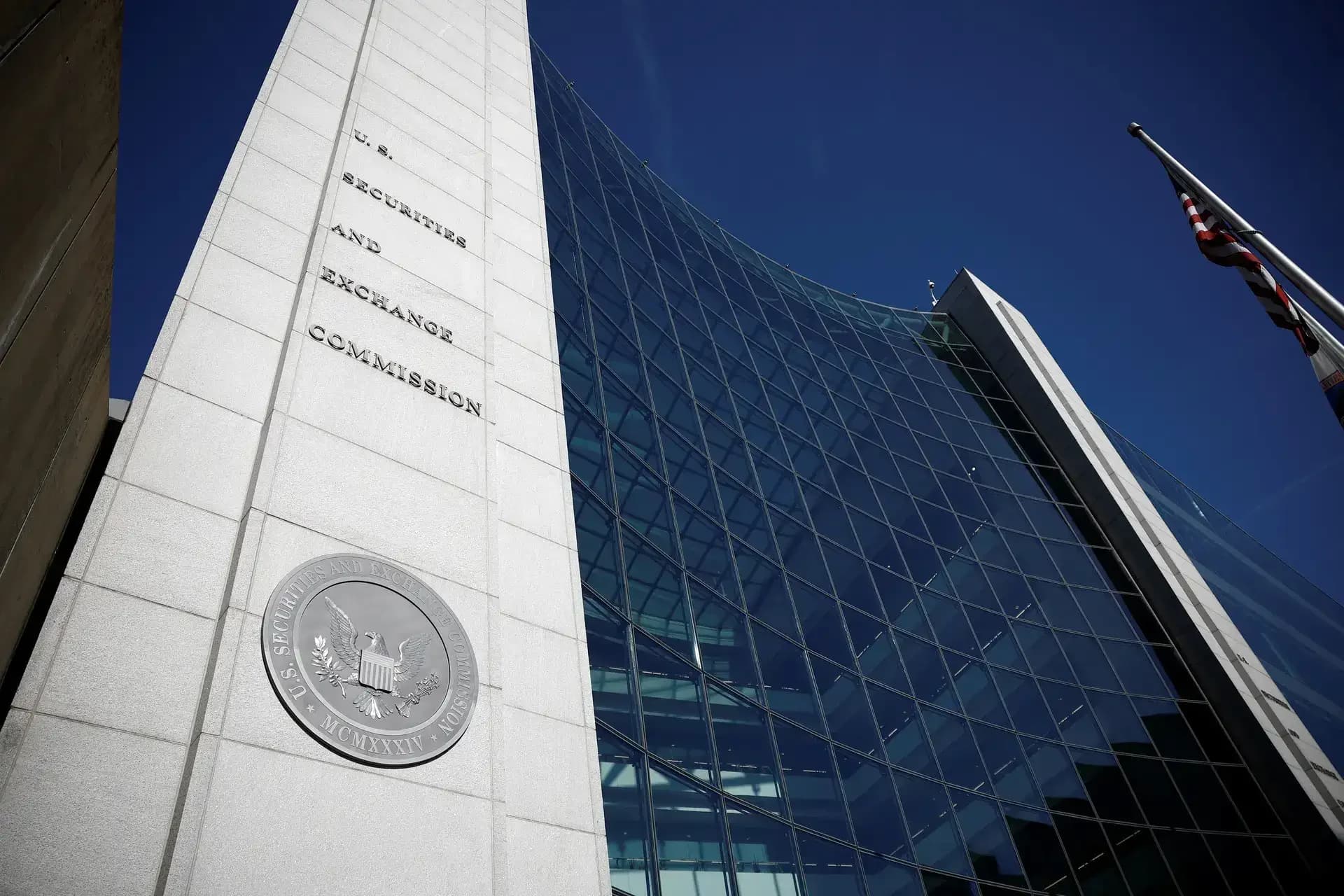
The US Securities and Exchange Commission (SEC) has issued new guidance requiring activist investors to disclose the identities of certain clients in regulatory filings, marking a significant shift in transparency requirements. According to multiple reports, the updated interpretations, issued as part of the SEC's Corporate Finance Interpretations, clarify how the regulator expects investors to complete Schedule 13D filings and proxy statements following a busy period of activist campaigns. Legal experts said the changes were unexpected and had not been widely anticipated within the activist investing community, with the SEC not responding to requests for comment or explaining why it issued the guidance now.
The guidance requires investors in entities created specifically to acquire shares of a target company and pursue an activist campaign to be identified in regulatory filings. As reported by multiple sources, the SEC's revised interpretation states that clients investing more than ₹4.2 crore ($500) in limited partnerships formed to solicit shareholder votes for board changes may be considered participants and must therefore be disclosed. The regulator specifically stated that "the identities of the investors in an entity formed for the purpose of acquiring securities of a specific issuer and engaging in an activism campaign at that issuer must be disclosed," according to Question 110.09 responses. The revisions are expected to have significant implications for hedge funds, which have traditionally guarded the identities of their investors as confidential business information.
Industry participants argue that revealing funding sources could expose investment strategies, encourage competitors to imitate campaigns and ultimately reduce returns. According to multiple reports, companies targeted by activist investors have long argued that greater transparency around campaign financing is essential for boards to better assess the interests behind shareholder proposals and defend against activist challenges. The guidance comes amid a strong year for shareholder activism, with investors including Elliott Investment Management, Ancora Alternatives and TOMS Capital Investment Management launching campaigns targeting companies such as Warner Bros. Discovery and Devon Energy during the first half of 2026. Hedge funds have traditionally argued that keeping investor identities confidential helps protect proprietary investment strategies and prevents competitors from copying their trades.
The new interpretation arrives as activist hedge funds increasingly use special purpose investment vehicles, often referred to as 'sidecars', to finance individual campaigns. As reported by multiple sources, the guidance also revives memories of a controversial governance dispute in 2022 involving Masimo Corp. During a proxy battle with Politan Capital, Masimo adopted bylaws requiring activist investors nominating directors to disclose the identities of their limited partners and details of future campaigns. The bylaw changes drew strong opposition from activist investors and prompted widespread discussions among corporate boards about adopting similar disclosure requirements, though Masimo reversed the policy in early 2023 and was acquired by Danaher earlier this year. The rules sparked strong opposition from activist investors, and although few companies adopted similar measures, attorneys said many corporations sought legal advice on whether to follow Masimo's approach.