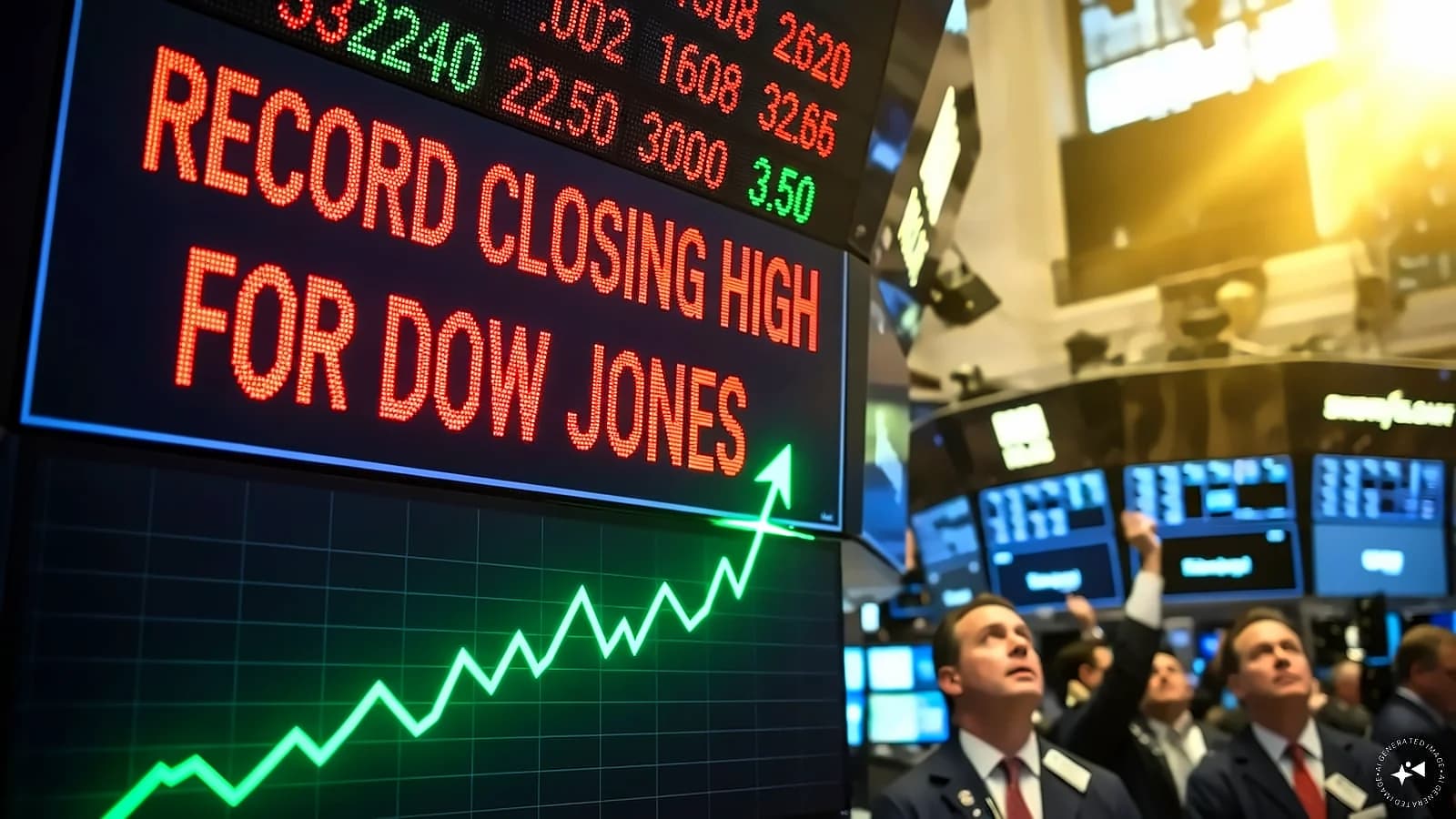
The S&P 500 rose 0.46% and moved closer to its all-time high, while the Dow Jones Industrial Average climbed 347.28 points (0.69%) to reach 50,632.94 and briefly touched fresh all-time highs during intraday trading. The Nasdaq composite gained 0.40% to 26,398.95, with the index posting healthy gains as it recorded its seventh gain in eight weeks. According to latest reports, all three indexes erased early drops and gained strength after a dramatic U-turn in oil prices. Brent crude traded near $105.88 per barrel while WTI crude hovered around $96.53, with the 10-year Treasury yield retreating from recent highs that had briefly climbed above 4.56%. The yo-yoing reflects uncertainty over how long the war with Iran will keep the Strait of Hormuz shut, which has blocked tankers from exiting the Persian Gulf and pushed crude prices higher.
As oil eased, pressure on Wall Street that had been building from the bond market also diminished. The 10-year Treasury yield retreated from recent highs that had briefly climbed above 4.56%, easing pressure on equities. This represents a decline from 4.57% late Wednesday and 4.67% the day before. Higher yields have already pushed the average long-term U.S. mortgage rate to its most expensive level since last summer and could curb corporate borrowing for projects such as AI data centers. The 30-year bond yield briefly exceeded 5% earlier in the week, levels not consistently seen since before the global financial crisis, before easing later Friday. As reported by Business Standard, oil prices directly influence inflation expectations, transportation costs and overall economic sentiment, with the Strait of Hormuz carrying nearly 20% of global oil exports making any disruption critical for global fuel and transportation costs. However, strategists warn that breakeven rates measuring inflation expectations haven't risen as far as overall rates, with 10-year breakevens remaining 50 basis points below where they were in the first half of 2022 when the US Fed was jacking up rates.

A preliminary report on U.S. business activity suggested that companies are feeling the impact of higher inflation. According to Business Standard, a flash survey from S&P Global said growth in activity for U.S. services businesses unexpectedly slowed a tad, though growth was better than forecast for U.S. manufacturers. A separate report provided the latest signal that the U.S. job market remains in better shape than economists expected, with the number of U.S. workers applying for unemployment benefits last week unexpectedly declining, indicating fewer layoffs. The NYSE Composite posted positive gains as trading reflected a risk-on mood returning to investors, with financials, industrials and AI-linked growth names seeing increased activity while defensive sectors lagged slightly.
Technology stocks remained at the center of market leadership as AI and semiconductor companies including Qualcomm, AMD, Intel and Broadcom led market gains. Advanced Micro Devices rose over 4% while NVIDIA stayed active despite mild profit-taking, with the chip company continuing to benefit from massive global spending on AI infrastructure, cloud computing and data-center expansion. Ralph Lauren jumped 13.9% after reporting stronger profit and revenue for the latest quarter than analysts expected. The Nasdaq has now recorded gains in seven of the last eight weeks, with the benchmark index on pace for its eighth straight weekly advance, its strongest streak since 2023. However, some stocks faced pressure, with Charter Communications declining 1.40% despite easing Treasury yields and strong earnings helping investors regain confidence.
In international markets, indexes were mixed following bigger moves in Asia. South Korea's Kospi jumped 8.4% thanks to strength for technology stocks, with Samsung Electronics leaping 8.5% after its labor union and management reached an agreement that averted a strike. Tokyo's Nikkei 225 jumped 3.1% while indexes fell 1% in Hong Kong and 2% in Shanghai. The Russell 2000 index of the smallest U.S. stocks climbed 0.9%, far more than the rest of the market, as some of the biggest beneficiaries of lower yields can be the smallest companies that need to borrow money to grow. Precious metals declined as market anxiety eased, with gold dropping ₹600 to ₹1.64 lakh per 10 grams and MCX gold futures falling up to 0.48%, while spot silver declined 0.5% to $76.32 per ounce. Bitcoin remained volatile but continued attracting attention from risk-focused investors as crypto-related equities gained on expectations that lower Treasury yields could support speculative assets.