US financial markets will remain closed on Friday, July 3, in observance of the Independence Day holiday, as July 4 falls on a Saturday this year. According to reports from The Economic Times, trading in equities and bonds will resume on Monday, July 6. The closure applies to major US stock exchanges, including the New York Stock Exchange and Nasdaq, as well as the bond market. The bond market also ended trading early on Thursday, closing at 2 p.m. Eastern Time ahead of the long holiday weekend. This year marks the 250th anniversary of the Declaration of Independence being adopted, making the holiday particularly significant for American independence celebrations.
The US stock market witnessed exceptional performance on Thursday, with the Dow Jones surging over 600 points to close at record high levels after a softer-than-expected June jobs report eased concerns over an imminent interest rate hike by the Federal Reserve. According to Upstox, the Dow Jones closed at 52,900.07, registering a strong surge of 594.83 points or 1.14%, after hitting a new all-time high of 52,903.85. The S&P 500 index ended broadly flat at 7,483.24, while the tech-heavy Nasdaq Composite ended at 25,832.67, registering a decline of 207.36 points or 0.80%. The Nasdaq 100 index was the hardest hit, crashing 479.92 points or 1.61% to close at 29,329.21.
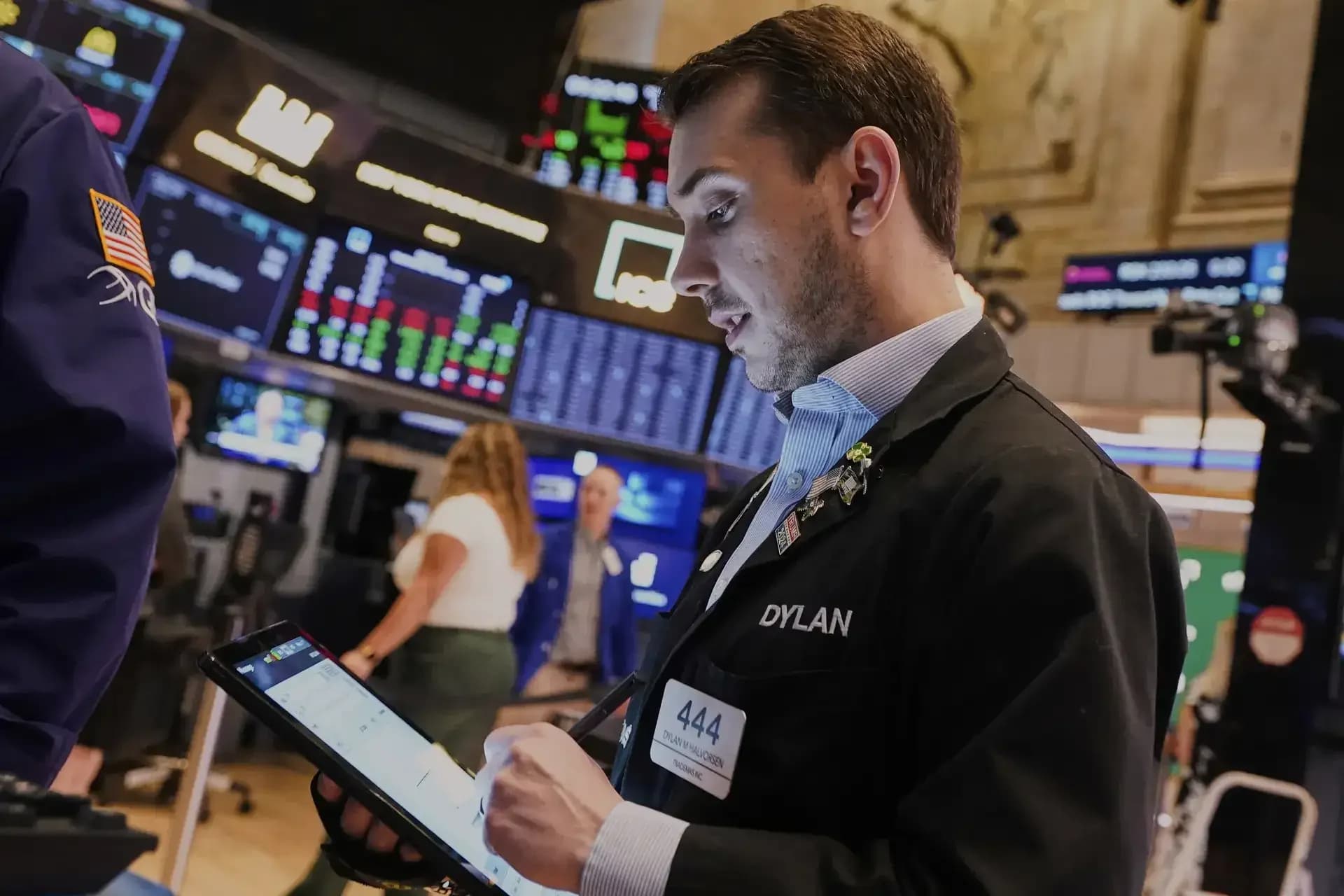
The market closure comes after investors digested the June U.S. employment report, which influenced expectations for the Federal Reserve's interest-rate path heading into the holiday weekend. According to The Economic Times, the shortened trading week was marked by heightened attention to economic data and monetary policy expectations. The US nonfarm payrolls report showed the economy added 57,000 jobs last month, well below economists' expectations of 110,000, with the unemployment rate standing at 4.2% compared with expectations of 4.3%. The report, coupled with downward revisions to payroll data for the previous two months, indicated that US hiring slowed in June, tempering earlier momentum. Additionally, the Commerce Department reported a sharp decline in new orders for U.S. manufactured goods in May, primarily due to a steep drop in durable goods orders, while first-time claims for U.S. unemployment benefits unexpectedly edged lower last week.
Investors remained anxious on the overheated valuations of tech stocks, which led to profit booking in tech stocks and contributed to the divergence in market performance. According to Upstox, shares of key chip makers like Micron, AMD, Intel and NVIDIA, fell as much as 6% on Thursday, extending the correction for the second consecutive day. The Nasdaq 100 index plunged over 200 points due to this continued decline in chipmaker stocks, highlighting the sector's vulnerability to profit-taking despite the broader market's strong performance.
While US markets prepare for the holiday closure, Asian markets showed signs of recovery as investors reconsidered risks in chip and tech stocks. According to Upstox, Asian markets rebounded from recent lows as investors in Japan and Korea reconsidered the risks in chip and tech stocks. The Japanese Nikkei surged 1.5%, while the Hang Seng jumped 1.2%. Most notably, the KOSPI index surged over 5.5%, representing the most significant recovery among Asian peers. This rebound suggests that investors are beginning to reassess their positions in technology and semiconductor stocks after the recent correction.