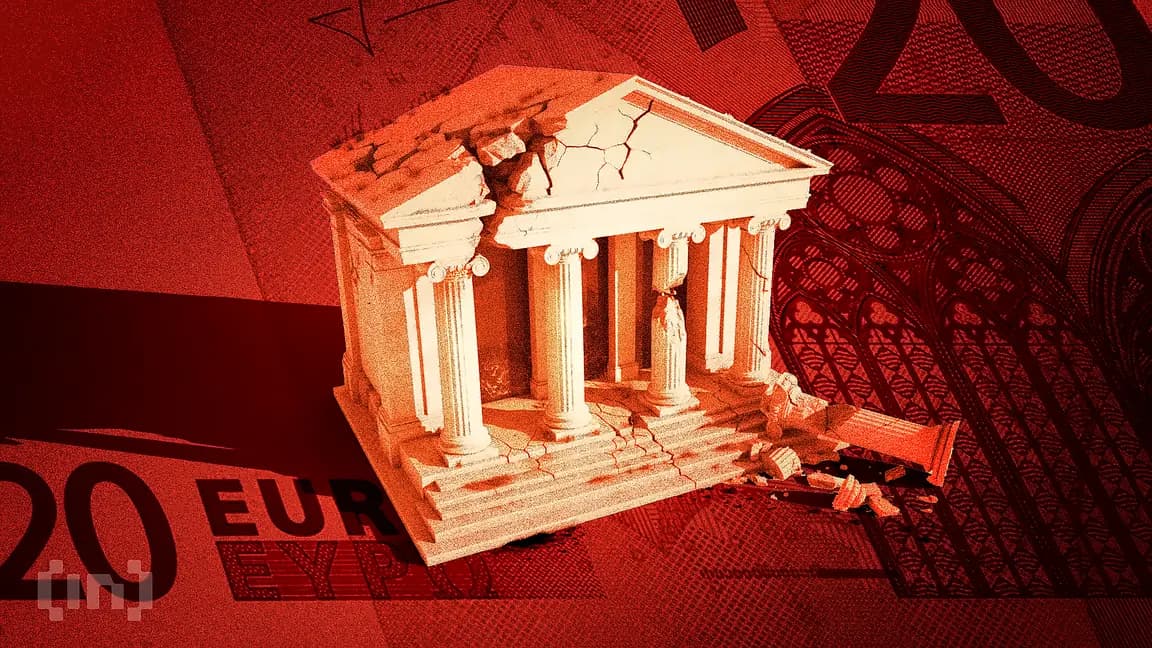
Russia's central bank maintained its benchmark interest rate at 14% on Friday, one week before a parliamentary election that the Kremlin will closely monitor as a gauge of public anxiety and fatigue after 4-1/2 years of war in Ukraine. According to reports from Reuters, the decision matched analysts' expectations in a Reuters poll. The decision comes as many Russians appear increasingly concerned about the war's impact on everyday life, with Ukrainian drone attacks bringing the conflict closer to home. The bank stated that the economy is growing at a moderate pace in the third quarter of 2026, but current price pressures have increased significantly in recent months.
The $2.6 trillion economy slowed sharply last year and is expected to grow just above zero in 2026, weighed down by the high key rate, Western sanctions, Ukrainian strikes on economic targets and a strong rouble. As reported by Reuters, businesses have pressed the bank to cut rates, arguing that borrowing to invest makes little sense at current levels and that growth won't resume until the key rate falls below 12%. The bank countered that investment is recovering compared with the start of the year, even at current rates. The election represents a critical test for the Kremlin as it seeks to gauge public sentiment amid ongoing military operations.
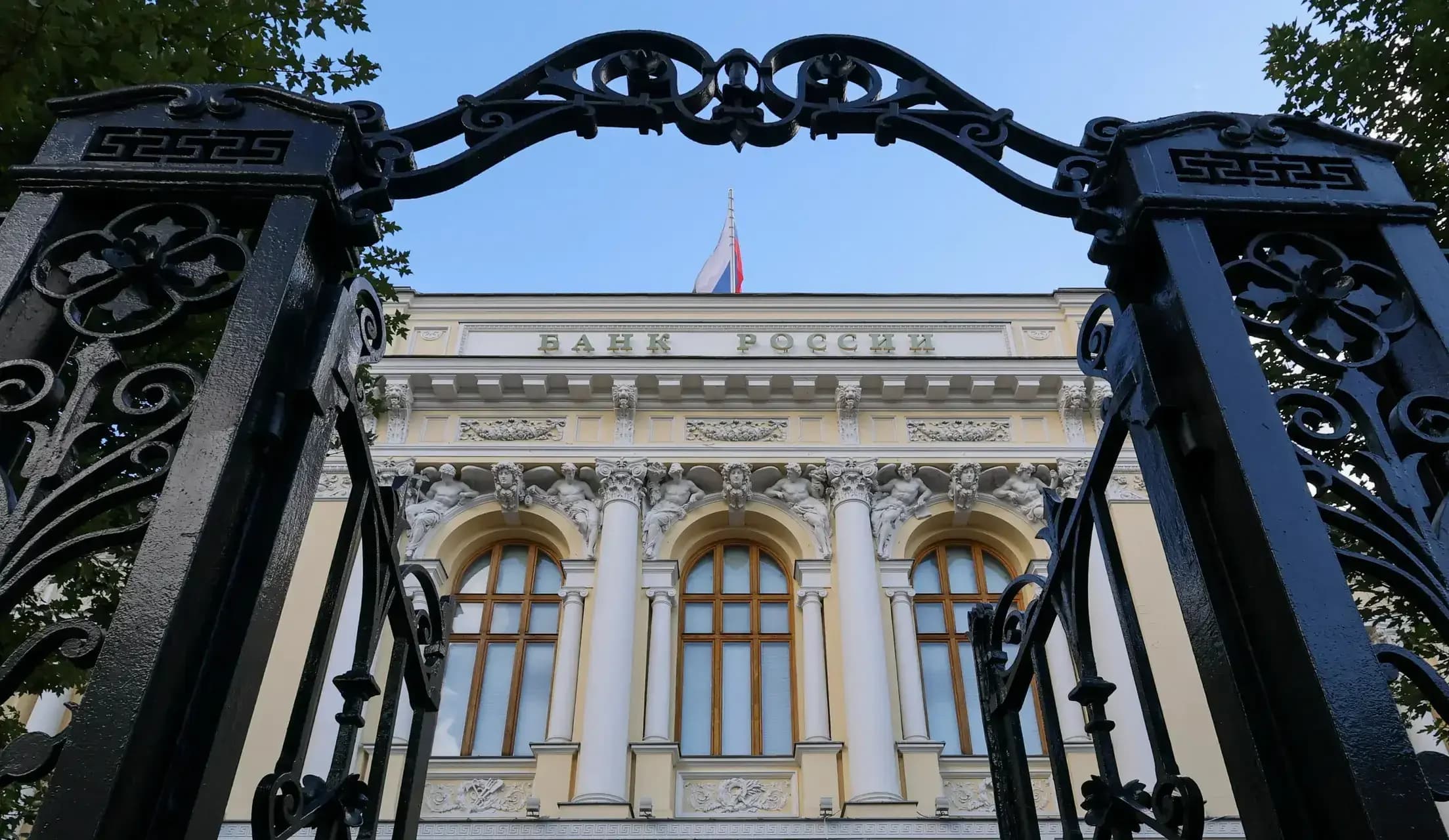
Inflation, which had eased earlier in the year, rose again in June after drone attacks on refineries triggered fuel shortages and price spikes, pushing up costs across the economy through higher transport expenses. According to the central bank's statement, Ukrainian strikes on refineries and e-commerce warehouses were key drivers of price growth, calling them 'the impact of a temporary reduction in production capacities in certain sectors.' The war-related disruptions have intensified inflationary pressures, with many Russians now expressing growing concerns about the conflict's impact on their daily lives.
The budget deficit narrowed to 2.5% of GDP in August from 2.8% the month before, helped by a dividend injection from state-owned bank stakes. As reported by Reuters, global oil prices have climbed back above $100 amid the unresolved U.S.-Iran conflict, benefiting Russia's budget as a major oil producer. However, a fuel-price protection tax mechanism will limit how much higher crude prices translate into domestic inflation. The rouble weakened 17% from its May 20 peak before beginning to recover this week on rising oil prices.
Russia and Brazil hold the highest benchmark rates among the BRICS group of major developing economies, whose leaders, central bank chiefs and finance ministers are set to meet in New Delhi this weekend. According to Reuters, with the deficit already exceeding its annual target, the government has opted against the kind of pre-election spending spree it pursued ahead of the 2021 parliamentary vote and the 2024 presidential election. The upcoming election represents a significant milestone as Russia's first parliamentary vote since the full-scale war began in February 2022, making it a crucial test of public sentiment amid ongoing military operations.