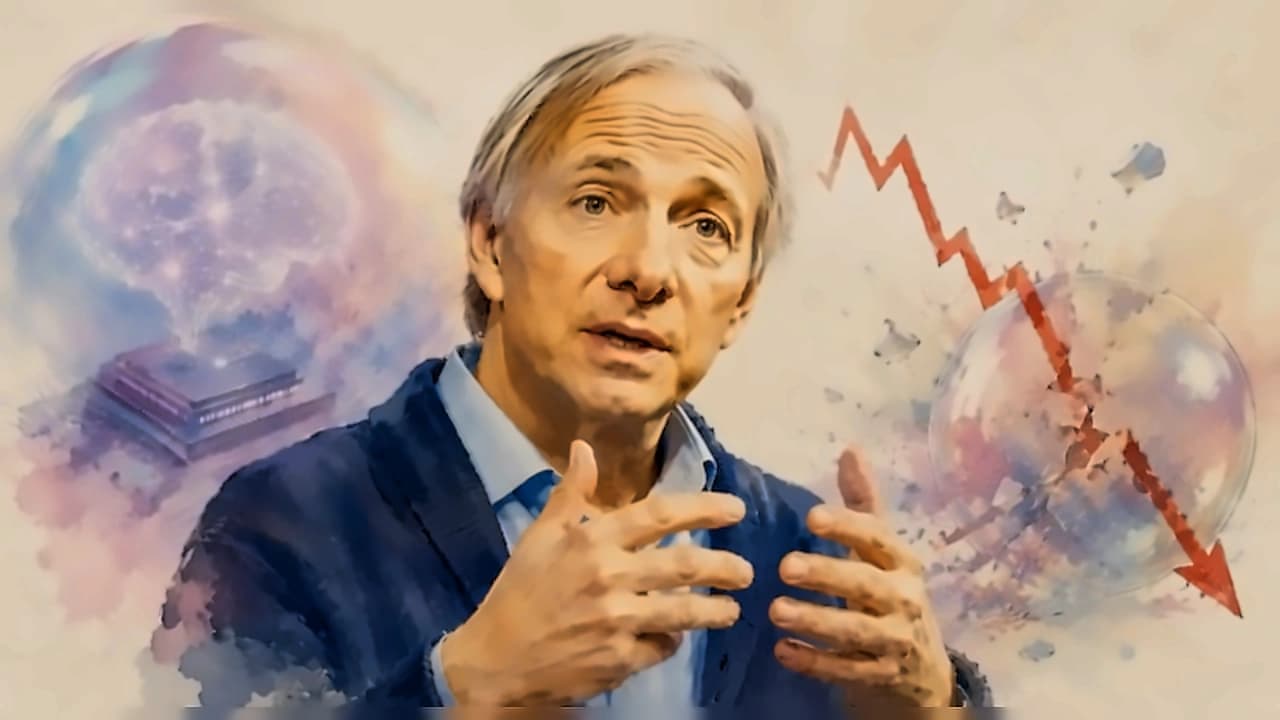
Billionaire investor and hedge fund veteran Ray Dalio has raised concerns over the growing debt burden in the United States, warning that excessive borrowing and rising debt servicing costs could eventually squeeze economic growth. According to reports from Livemint, Dalio compared a country's finances to that of a company or an individual, arguing that the fundamentals of economics remain largely similar — with one crucial exception: governments have the power to print money. In a video clip from a recent podcast shared on X (formerly Twitter), Dalio explained that when debt levels reach extreme sizes relative to income, governments are left with limited choices to cut spending, raise taxes, restructure debt, or print money.
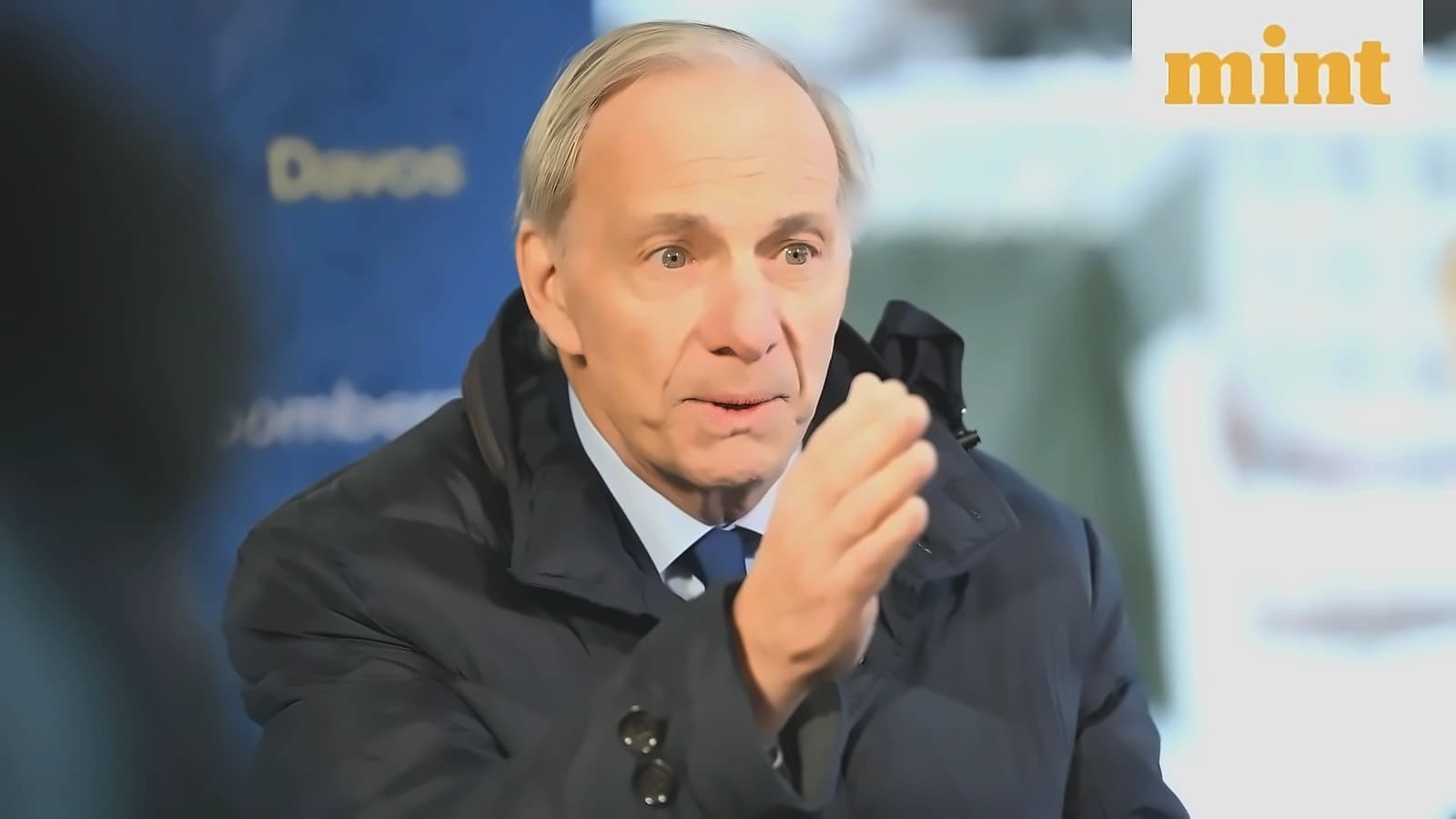
Dalio highlighted the scale of the fiscal challenge facing the US government, noting that the country is projected to spend nearly $7 trillion while generating about $5 trillion in revenue, resulting in a deficit equal to roughly 40% of spending. As reported by Livemint, he warned that persistent deficits over time have caused debt levels to balloon significantly. According to Dalio, the US debt has grown to nearly six times the amount of annual government income, creating a structural problem that may worsen if left unchecked.
To illustrate the risks of excessive debt, Dalio likened financial systems to the human circulatory system. According to Livemint, he explained that capital markets function like arteries that channel credit to different sectors of the economy. When borrowing is used productively — generating enough income to repay debt and cover servicing costs — the system remains healthy. However, problems arise when debt grows faster than income, creating what Dalio described as 'a plaque in the system growing up and it squeezes out spending'.
Dalio's warning underscores a broader concern among market participants that debt can fuel growth when managed prudently, but unchecked borrowing risks becoming a drag on the economy over time. As reported by Livemint, he noted that understanding this dynamic is key to understanding the economic environment we're in. The hedge fund veteran's comments highlight the potential long-term consequences of persistent fiscal deficits and rising debt servicing costs on economic growth and market stability.