US stocks opened higher on Monday, June 30, with the S&P 500 climbing 1.2% and breaking a five-day losing streak, as reported by Business Standard. The Dow Jones Industrial Average added 306 points, or 0.6%, while the Nasdaq Composite rallied 2.1% as the tech-heavy index demonstrated strong recovery momentum. The benchmarks recovered from just their second losing week in the last 13, with the S&P 500 leading the rebound after bargain hunters emerged to pick up beaten-down technology stocks. There was some difficulty earlier in the session, with the benchmark dipping into the red and providing a test of resolve for equity bulls, though it managed to bounce back into the green.
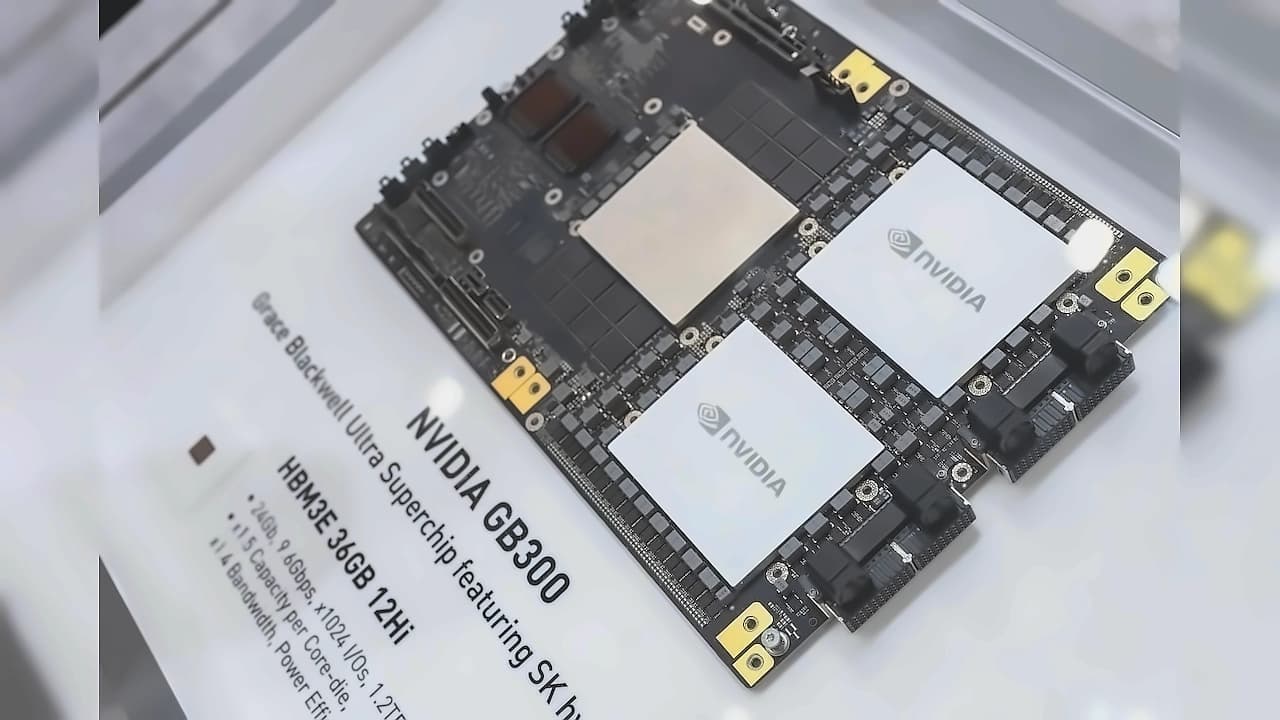
AI-related stocks rallied after Samsung Electronics and SK Hynix announced plans to invest about $518 billion in a new chipmaking hub in South Korea to meet growing AI demand, according to Business Standard. Applied Materials jumped 10.8%, extending its year-to-date gain to over 170%, while Nvidia rose 1.3%, continuing to benefit from its dominant position as Wall Street's most valuable company. SpaceX climbed 7.2% after its recent Nasdaq debut, with the company set to join the Nasdaq 100 index on July 7. This represents a significant turnaround from recent AI-linked volatility that had pressured major tech names, with José Torres, senior economist at Interactive Brokers, noting that "risk appetites are rebounding to begin this holiday-shortened trading week as investors look past AI spending worries and add exposure to Magnificent Seven names."
Market sentiment improved after the United States and Iran on Monday separately announced they will send delegations to Qatar this week, though Tehran insisted it has not agreed to meet with the United States at any level, as reported by Business Standard. Oil prices steadied with Brent crude climbing 1.8% to $73.91 per barrel, pulling back above where it was before the war with Iran began. Benchmark U.S. crude for August delivery rose 2.2% to settle at $70.75 per barrel. The hope is that an end to the war with Iran will give oil tankers full access again to the Strait of Hormuz, allowing them to exit the Persian Gulf and deliver crude to customers worldwide. Mohit Kumar at Jefferies wrote that "despite short term violations of the ceasefire, we believe that US and Iran will agree to a deal."
South Korea unveiled a massive spending plan on chips and data centers, with the nation orchestrating investments of at least 1,350 trillion won ($880 billion) from companies including Samsung Electronics Co. and SK Hynix Inc., an amount framed as essential to surviving the AI era, according to CNBC TV18. This move, which comes after declines from Samsung and SK Hynix played a factor in last week's tech selloff, will be "keenly watched" by investors, according to Russ Mould, investment director at AJ Bell. Russ Mould noted that "investors must decide if this money is being spent wisely, particularly as markets have been jittery of late around the scale of investment in all things AI and whether the potential returns are worth it."
Comcast Corp. gained 4.5% after announcing plans to separate its NBCUniversal media and Sky businesses from its broadband and wireless operations, as reported by Business Standard. Verizon Communications fell 5.2% after agreeing to pay $625 million for a joint venture with subsidiaries of BT Group. Martin Marietta Materials Inc. shares fell 5.7% after the company agreed to combine with building materials supplier Lhoist North America in a transaction valued at $13.5 billion, including debt. FuelCell Energy Inc. soared 24% after it was approved for a $49 million financing package from the Export-Import Bank of the United States. Mark Hackett, chief market strategist at Nationwide, noted that "the best way to summarize the current environment is balance, with fundamentals and technicals offering a relatively neutral signal."
The US Supreme Court reinforced the Federal Reserve's independence from the White House, protecting governors from being fired by the president without proof of wrongdoing, according to CNBC TV18. The Fed shield came even as the court in a separate ruling Monday expanded the president's power to fire top government officials at other federal agencies. Fed Governor Lisa Cook could remain in her post while she fights Trump's bid to oust her for unproven mortgage fraud allegations. Michael Feroli, chief US economist at JPMorgan Chase & Co., noted that "now Trump can't fire Warsh," adding that "Warsh is now dealing with a Board that is more assured of their job security." Higher interest rates can keep a lid on inflation, but they also slow the economy and hurt prices for all kinds of investments, with the yield on the 10-year Treasury edging down to 4.37% from 4.38% late Friday and from 4.56% early this month.