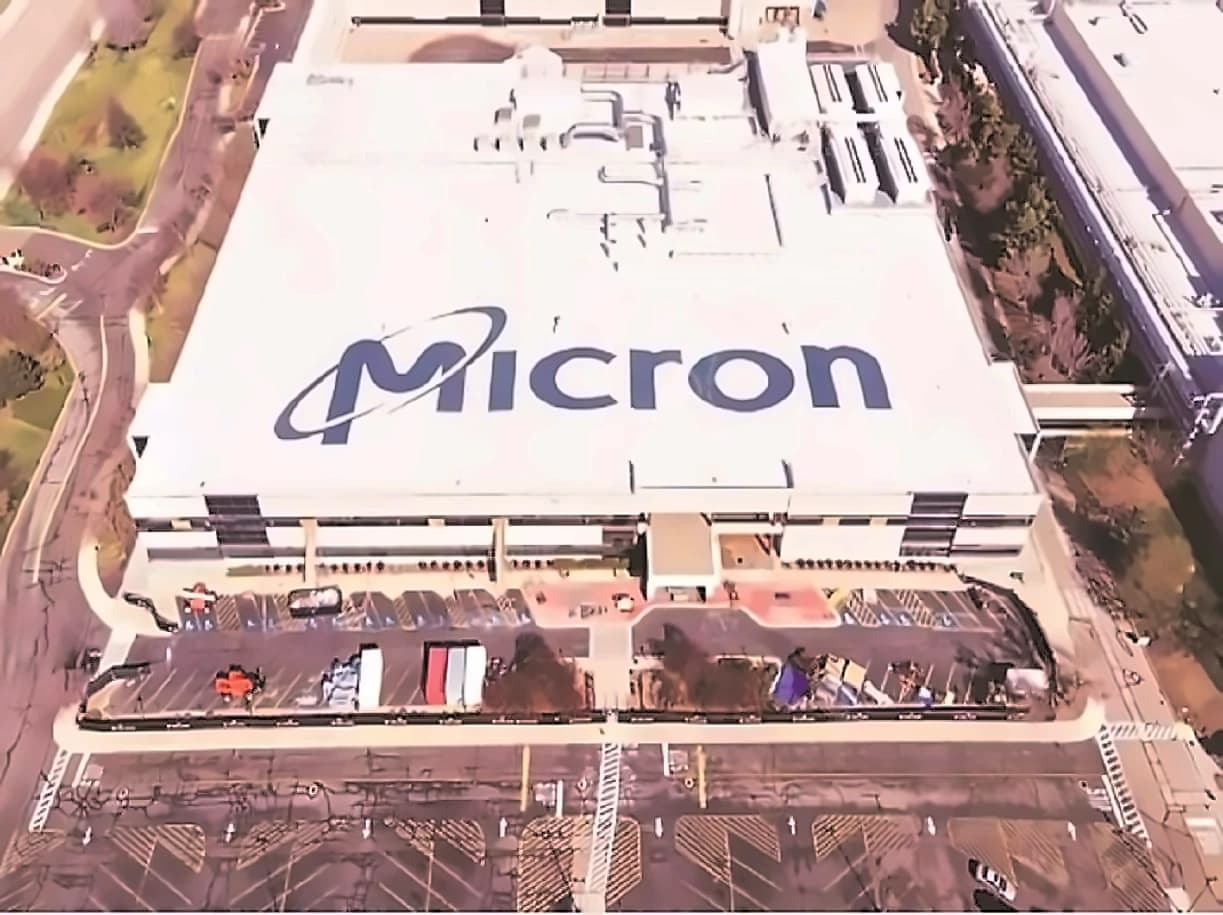
Memory chip giant Micron Technology reported record Q4FY26 earnings with ₹31.16 per share (US$31.16), representing a 10x year-over-year increase from ₹3.03 in the same quarter last year. The company also projected ₹50 billion revenue for the quarter, up from ₹11.32 billion a year ago. However, this financial success has not resolved labor tensions as hundreds of employees continue to reject the proposed ₹53,200 bonus and demand a one-time bonus equivalent to 83 months' salary and permanent 15% profit sharing schemes. The company has been negotiating pay and benefits with two labor unions representing almost 12,000 of the company's 15,000 employees at its Taiwan facilities.
Micron reported record revenue of ₹41.5 billion for the three months ended in May, benefiting significantly from the surge in demand for artificial intelligence technology. The company has invested more than NT$1.6 trillion in Taiwan, calling the island a 'critical hub' for its operations. The company's strong financial performance is reflected in its ₹1.1 trillion market value at approximately ₹975 per share, with analysts maintaining a Buy rating and average price target of ₹1,303, implying 33.4% upside from current levels. Despite this success, employees protesting at a basketball court opposite Micron's Taoyuan facility said the proposed package fell short of their expectations.
The unions' demands come amid Micron's successful contract negotiations, with the company signing 16 strategic customer agreements worth approximately ₹100 billion in remaining performance obligations as of Q3. According to TrendForce, DRAM contract prices rose 90-95% quarter over quarter in Q1 2026, moderating to 13-18% in Q3. The company also announced the appointment of Deirdre Hanford as president of Micron Research Labs, backed by a planned ₹10 billion investment over the next decade. Neil Shah, co-founder of Counterpoint Research, noted that Micron competes with South Korean rivals Samsung and SK Hynix to expand memory-chip market share, with capacity being the key constraint. The company's ₹100 billion in remaining performance obligations from strategic deals represents an attempt to convert the current price spike into contracted revenue.
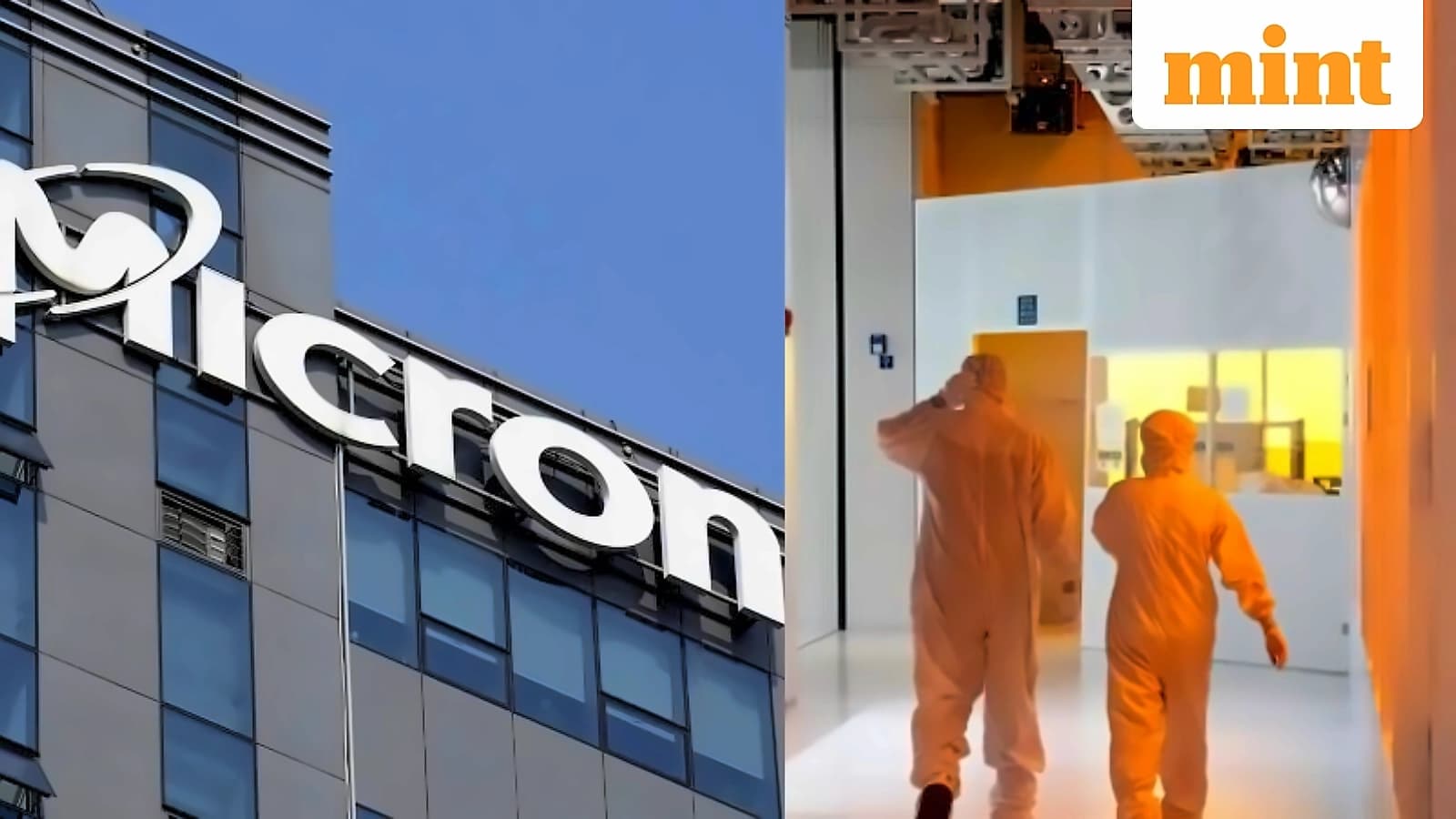
The unions warned that workers could go on strike if negotiations with Micron's management, being conducted with government mediation since early September, fail to produce an agreement. A production technician who attended the union rally after finishing her shift said employees should fight for what they believe they are entitled to, stressing that the issue extends beyond Micron workers to employees across Taiwan. The workers also stated that their bonuses are significantly lower than those offered by rivals such as SK Hynix and Samsung, with some employees citing the need to compete with industry standards. The company's ₹100 billion in remaining performance obligations from strategic deals represents an attempt to convert the current price spike into contracted revenue.