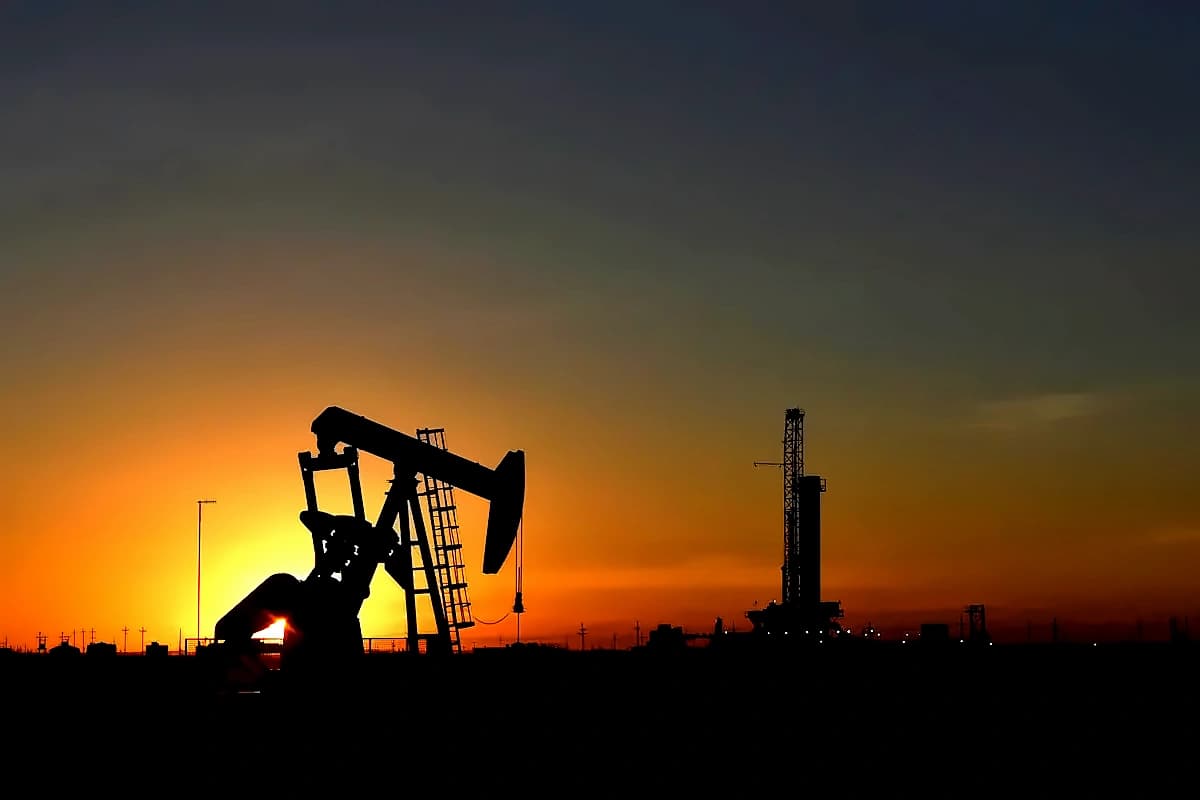
A comprehensive investigation has revealed well-timed market bets totaling as much as $7 billion during March and April across multiple exchanges and fuel derivatives just before major Iranian policy announcements by President Donald Trump. According to Reuters analysis of exchange data, these trades were executed on two major exchanges hosting benchmark global oil futures: the Intercontinental Exchange (ICE) and Chicago Mercantile Exchange (CME). The investigation has prompted the U.S. Commodity Futures Trading Commission (CFTC) to officially confirm it is investigating the trades, with the CFTC's enforcement director stating in March that the agency was aware of speculation regarding insider trading in CFTC-regulated markets and was "watching." The U.S. Department of Justice is also investigating $2.6 billion in oil trades related to the Iran war, as reported by ABC, with the DOJ not immediately available for comment.
Inflation accelerated to 3.8% in April from 3.3% in March, marking the fastest pace since May 2023, as rising gas prices tied to the Iran war pushed up costs across the economy. According to the latest data, "core" inflation, which excludes volatile food and energy categories, also climbed 2.8% compared to a year earlier and 0.6% from March. Gas prices have climbed to more than $4.50 per gallon, while diesel fuel costs have nearly doubled since the war began, raising transportation costs and pushing up prices for goods and air travel. Higher fuel costs are also hitting prices for air travel, which climbed 2.8% in April, while natural gas prices have increased the cost of fertilizer, with all sorts of products using oil in production becoming more expensive the longer energy prices remain high.

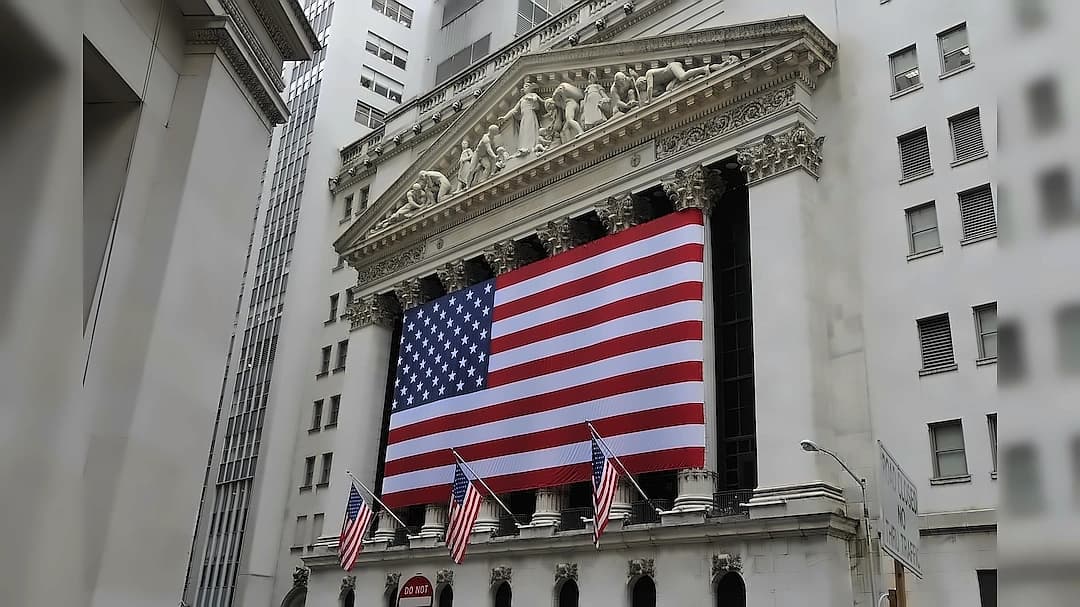
The S&P 500 and Nasdaq finally pulled back from record highs on Tuesday, ending a three-day rally as markets confronted what analysts describe as a 'perfectly mixed macro poison cocktail.' According to reports from Investing.com India, the AI melt-up that had carried semiconductors and mega-cap tech like a convoy suddenly hit turbulence as fresh chatter around potential AI taxes and regulatory clawbacks rattled assumptions that governments would simply stand back and let the capex supercycle run unchecked. The inflation genie also kicked the bottle back open while oil traders started whispering that maybe the Strait of Hormuz is not reopening anytime soon. Latest developments show markets took a severe beating on Tuesday, hammered by a mix of surging crude oil prices, a freefall in rupee and unrelenting foreign selling, with no signs of any deal between Iran and US.
Oil prices surging back above $100 are no longer just a commodity story but represent a direct assault on the entire disinflation narrative that allowed equities to levitate. As reported by Investing.com India, the NACHO trade (Not A Chance Hormuz Opens) is becoming impossible to ignore, evolving from a dark joke among energy desks into a positioning regime. Oil surging above $100 is a direct assault on the disinflation narrative that allowed equities to levitate, once crude starts behaving like an accelerant rather than a background variable. The oil-bond-stocks correlation regime normalized on Tuesday, with high beta equities finally trading lower alongside rising yields and rising oil instead of floating above gravity as they had for most of the rally.
The Federal Reserve left its benchmark interest rate unchanged at 3.5% to 3.75% after the April meeting, with officials concerned that the drag on the economy and risks to inflation will grow the longer the Iran war continues. Fed Chair Jerome Powell said after the April meeting that the question about looking through energy inflation is not in front of them right now, and they'd want to see the backside of that before considering rate cuts. The statement drew four dissents, the most since 1992, reflecting growing concerns about the war's economic impact. President Trump has blasted the Fed and Powell for not lowering interest rates for months, with his nominee to replace Powell, former Fed governor Kevin Warsh, expected to be confirmed this week and oversee the June meeting. However, Warsh will face challenges persuading other officials to support rate cuts as long as energy prices are threatening to reignite inflation.
The market still faces an event calendar loaded with potential landmines, including the Trump-Xi meeting carrying enormous headline risk because sentiment toward China remains deeply fragile despite recent stabilization attempts. As reported by Investing.com India, NVIDIA earnings loom over the entire AI complex like the final pillar holding up a cathedral roof. The geopolitical backdrop remains tense with Washington and Tehran remaining far apart, with President Trump describing the ceasefire as "on life support" this week and negotiations on a lasting peace agreement having stalled out. The latest developments show no signs of any deal between Iran and US, prolonging the effective disruption to crude flows through the Strait of Hormuz and creating sustained inflationary pressures that could keep the Fed's hawkish stance intact.