The U.S. Securities and Exchange Commission will hold a public roundtable on September 17 to discuss preparations for 24-hour trading in U.S. equity markets, as reported by the SEC. The meeting will take place at the agency's headquarters in Washington, D.C., and will also stream online, covering overnight trading, market operations, system resilience and investor protection. SEC Chair Paul Atkins stated, "We are moving towards a new day – and night – in the U.S. equity markets." The regulator's Division of Trading and Markets has identified that wider access will require changes across market infrastructure, including market data, clearing, corporate actions, trade reporting and investor protection. The SEC's Division Director Jamie Selway emphasized that longer trading hours depend on consolidated market data systems that must operate for longer periods.
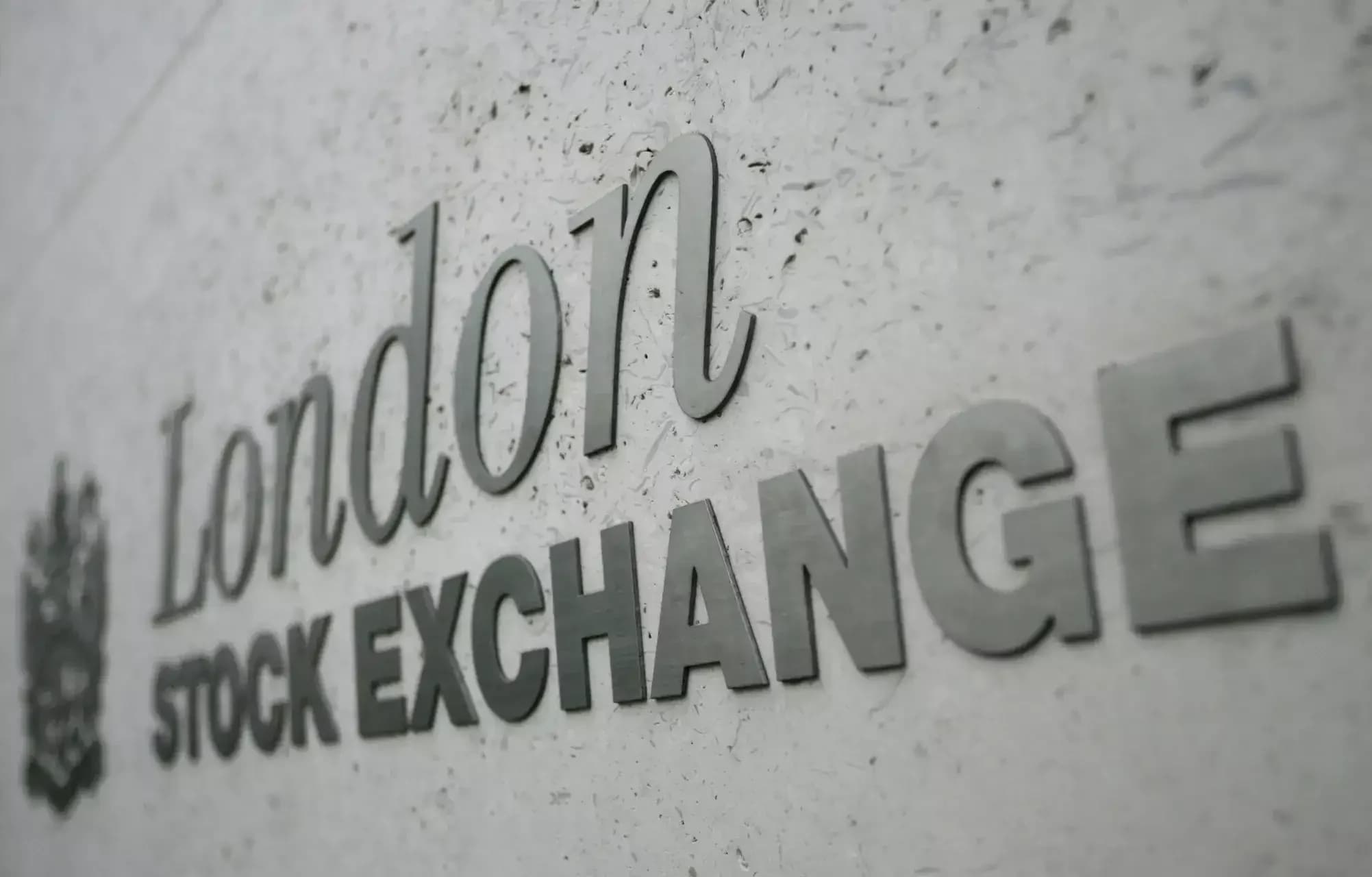
Nasdaq has been working with U.S. regulators on a plan to offer trading 24 hours a day, five days a week, aiming to introduce the schedule during the second half of 2026, subject to regulatory approval and industry readiness. According to Nasdaq's extended-hours trading information, the company expects global investors to benefit from access to U.S. stocks during their local daytime hours. Cboe Global Markets is preparing near-continuous weekday trading on its EDGX Equities Exchange, with trading beginning at 9 p.m. Eastern Time on Sunday and continuing until 8 p.m. on Friday, including a one-hour daily break. The London Stock Exchange continues its LSE 24 initiative, planning to begin client testing before the end of 2026 and launch exchange-traded products during the first half of 2027, subject to regulatory approval. The main London market will retain its current trading hours of 8 a.m. to 4:30 p.m.
The shift to extended trading hours involves significant infrastructure changes beyond extending exchange operating hours. Market makers must be willing to provide buy and sell prices during overnight sessions, with lower participation potentially reducing liquidity and creating wider price differences. The SEC roundtable will examine how exchanges and connected firms respond to outages and technical problems, as maintenance periods may become shorter as markets move closer to continuous weekday operations. Clearing firms would need to process transactions and manage risks outside the traditional market day, while brokers would have to monitor orders, maintain systems and support customers across longer operating periods. The SEC's public comment file remains open, with the agency collecting input from exchanges, brokers, investors, clearing firms and other market participants before establishing final rules or common launch dates.
Cryptocurrency exchanges have operated continuously for years, allowing investors to trade during weekends, public holidays and overnight periods, contributing to demand for similar access to traditional assets. Crypto companies are expanding into tokenized equities, with Binance introducing bStocks with continuous trading for tokenized U.S. equities and Franklin Templeton and Ondo launching tokenized investment products that eligible users outside the U.S. can access through crypto wallets around the clock. However, tokenized equities are not identical to shares traded directly on national securities exchanges, with their custody, ownership and redemption structures differing from traditional shares. The 24/7 trading initiative represents an explicit acknowledgment that crypto markets' structural feature of never closing has reshaped retail expectations, with the move coming as traditional exchanges face competition from platforms like Coinbase and Kraken that offer 24/7 stock trading via tokenized equities.
The shift toward 24/7 trading comes at a turbulent time for the 300-year-old exchange, as reported by The Economic Times. Initial public offerings became a point of focus for LSE as the venue struggled to attract new listings, culminating in the platform falling out of the top 20 globally in the first nine months of 2025 before a late flurry prompted optimism for a long-awaited recovery in 2026. However, that revival appeared to slow in July as a number of companies including Waterstones Booksellers Ltd considered delaying their listings until 2027. The new offering, called LSE 24, is expected to provide the exchange with greater flexibility beyond traditional trading hours and enhanced liquidity to better compete with the round-the-clock offerings from crypto companies. Global investors may also want to trade U.S. shares during local business hours rather than waiting for New York markets to open, with exchanges seeing extended sessions as a way to attract those investors and compete with crypto platforms and alternative trading venues.