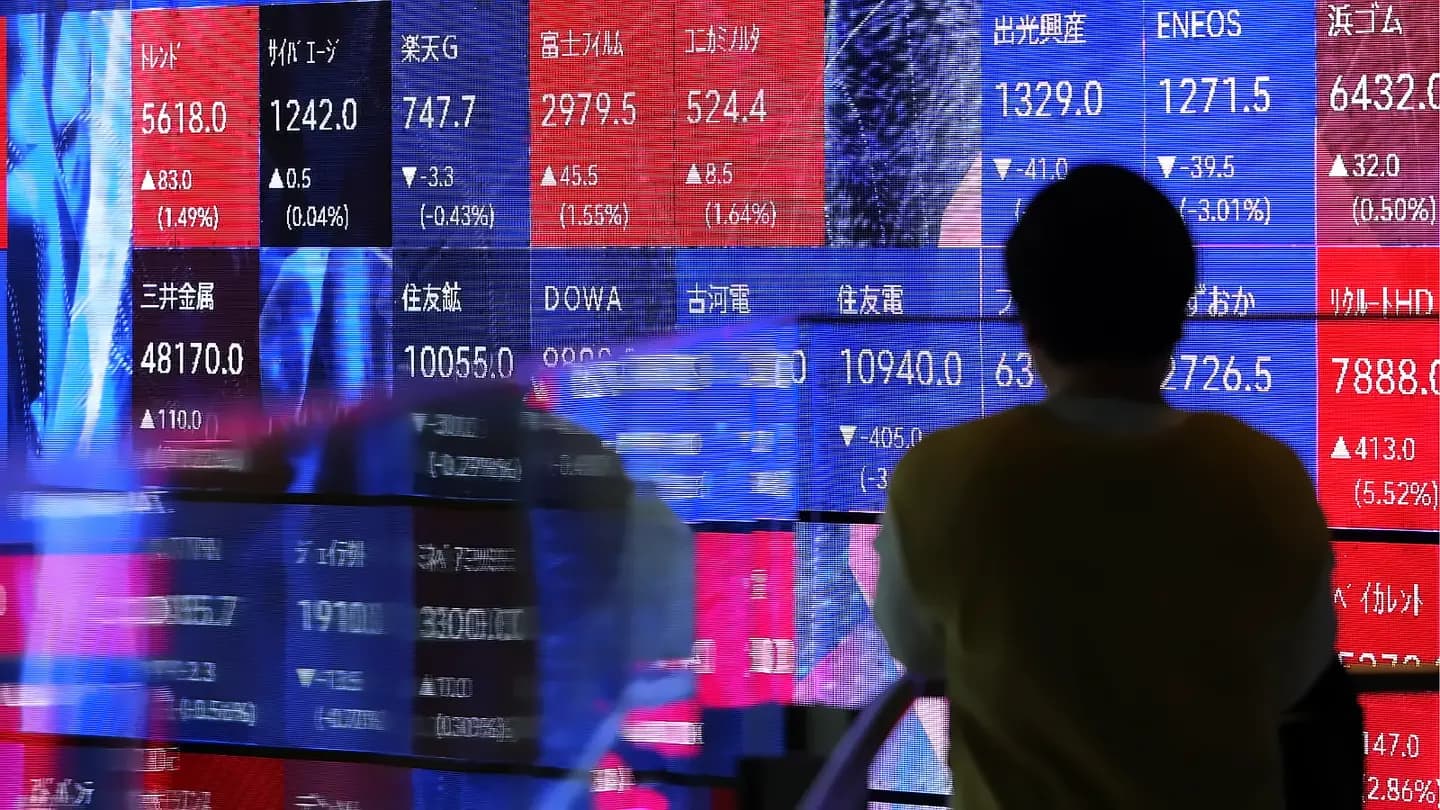
Japan's industrial production declined 1.7% in August compared to July, marking the second consecutive month of contraction, according to the Ministry of Economy. This performance fell short of economists' expectations for a 1.3% gain, as reported by Reuters. However, production showed year-over-year growth of 3.4%, which was below the consensus estimate of 6.8% advance. The decline was primarily attributed to temporary factors including the Kumamoto earthquake and ongoing Middle East conflict impacts.
Industries experiencing production declines included cars, general-purpose and industrial machinery, and petroleum. In contrast, production of transport equipment excluding cars, including aircraft engine parts, increased during the month. The seismic activity from the magnitude 7.1 Kumamoto earthquake that struck on July 28 continued for an extended period, creating additional supply chain disruptions that affected regions extending to Aichi Prefecture, home to Toyota Motor Corp. Motor vehicle production slumped 6.8% from the previous month as both an earthquake and typhoon disrupted operations, while general-purpose and business-oriented machinery output declined 6%.
Manufacturers surveyed by the Ministry of Economy expect seasonally adjusted output to increase 3.2% in September and grow 3.1% in October, according to Reuters reports. Takeshi Minami, chief economist at the Norinchukin Research Institute, attributed the decline partly to temporary factors including the Kumamoto earthquake impact and natural disaster-related production halts. However, he emphasized that production has not fallen off a cliff fundamentally. The economist noted that with escalating Iran tensions and potential oil shortages in Europe toward winter, it may be difficult to see production recovery going forward.
The indicator will be among the factors the Bank of Japan will scrutinise as it decides whether to raise interest rates in the near future, according to Reuters. Iranian officials have privately expressed pessimism about reaching a deal to end hostilities and reopen the Strait of Hormuz before US midterm elections in November, according to people familiar with the matter. This ongoing conflict continues to weigh on Japanese companies through elevated oil prices and supply-chain disruptions, creating additional uncertainty for Japanese manufacturers, particularly those dependent on Middle Eastern energy supplies.