Japan has formally demanded that Russia reverse its move placing local units of Japan Tobacco International under Russian corporate control, following a decree signed by President Vladimir Putin. According to Reuters, Finance Minister Satsuki Katayama stated that Tokyo delivered the complaint through diplomatic channels, urgently demanding that Moscow reverse the move. Katayama emphasized that "The Japanese government has consistently called on Russia to ensure that the legitimate interests of Japanese citizens and companies are not undermined." The Japanese government owns around 37% of Japan Tobacco, making this development particularly significant for Tokyo's interests. The move represents the latest escalation in tensions between the two nations, which have been strained since Putin's August visit to a disputed Russian-controlled island near Japan.
President Vladimir Putin signed a decree on Thursday transferring Japan Tobacco International's Russian business to state-linked holding company AO Promyshlennye aktivy under external management, as reported by multiple sources. The order covers four manufacturing facilities in St. Petersburg, Rostov-on-Don, the Lipetsk region and the Leningrad region, employing around 4,000 people. Japan Tobacco confirmed that Russia has seized these facilities and stated it is continuing to gather additional information on the matter. The Japanese tobacco giant has operated in Russia since 1999 and currently holds a 40% share of the combustible tobacco market, maintaining a 40% share despite suspending new investments in 2022. The company operates through its international division, housing brands including Winston and Camel among the largest tobacco firms in Russia.
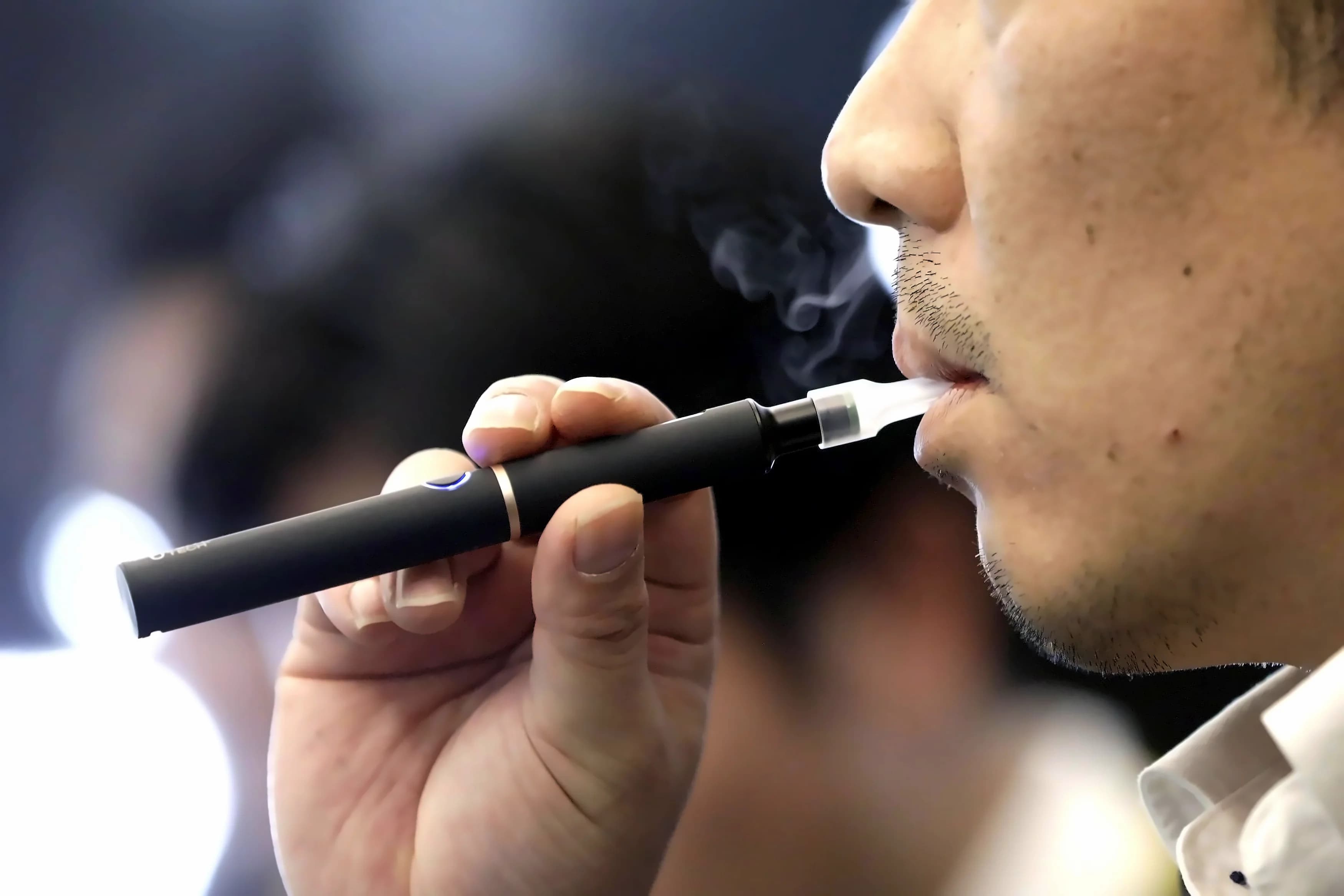
The seizure poses significant financial risks for Japan Tobacco, with Russia contributing about 10% of revenue and 25% of operating profit for the Japanese company. According to The Wall Street Journal, Japan Tobacco shares were indicated 19% lower Friday in Tokyo as sell orders overwhelmed buy orders. Jefferies analysts noted that "Getting locked out of the Russian market would be tantamount to Japan Tobacco losing one of its biggest businesses." The company has ¥100 billion to ¥200 billion in local cash and deposits in Russia that could become trapped in the country. Japan Tobacco shares were untraded Friday in Tokyo and were set to fall by the daily limit, reflecting investor concerns about the development.
As of October 2025, Japanese companies operated 321 business locations in Russia, according to Japan's Foreign Ministry, though this represents a decline from 121 companies targeted in the 2021 survey. According to The Wall Street Journal, a 2025 survey by the Japan External Trade Organisation sought feedback from 78 companies operating in Russia, down from the previous survey. Other Japanese companies with Russian operations include trading houses with stakes in Russia's energy sector, with Mitsubishi Corp. and Mitsui & Co. having investments in the Sakhalin-2 LNG export plant. Putin's latest move highlights risks for more than 100 Japanese companies that could face similar treatment under Russia's 2023 decree placing companies from "unfriendly" countries under Russian control.
The seizure follows Putin's intensified targeting of international companies since September, when the Kremlin placed assets of Swiss food giant Nestle SA and French supermarket chain Auchan under temporary management. As reported by The Wall Street Journal, Russia has been angered by Japan's backing for Ukraine, including financial and non-lethal military support. Japan announced $14.7 million in contributions to NATO's Prioritised Ukraine Requirements List and dispatched personnel to NATO Security Assistance and Training for Ukraine headquarters in Germany, placing Japan in a different category regarding Russia's concerns about increased cooperation with NATO. The seizure follows Russia's arrest last month of Yuki Imai, a journalist with the Japanese newspaper Hokkaido Shimbun, on espionage charges, with the Russian Foreign Ministry accusing Tokyo of systematically using journalists to gather intelligence inside the country.