According to reports from Haaretz, three aircraft from the Qatari royal fleet were fitted with Elbit Systems' C-MUSIC air defence system between 2020 and 2022 during maintenance work in Basel. The system uses radar technology to detect incoming shoulder-fired missiles and deploys a laser-based countermeasure to protect aircraft from threats. Notably, Qatar's Emir Sheikh Tamim bin Hamad Al Thani travelled to Tehran in 2025 aboard an aircraft equipped with the Israeli-made defence system, as reported by Haaretz. Photographs captured during the Emir's landing in Algeria in March 2024 also showed the Elbit-manufactured defense system mounted beneath the aircraft's fusage. The Qatari royal fleet comprises a total of 11 aircraft, including two Boeing 747s and one Airbus A340-500, with all aircraft equipped with Elbit's commercial C-MUSIC system. The C-MUSIC system, known in Israel as Magen Rakia, is designed to detect incoming heat-seeking surface-to-air missiles and disrupt their guidance systems using directed infrared countermeasures. The precise financial value of the air defense contract with Qatar has not been officially disclosed, but based on comparable past contracts signed with European nations and NATO, the total cost is estimated to exceed $200 million. The system was originally developed following the attempted downing of an Israeli passenger aircraft departing Mombasa, Kenya, in 2002, when two shoulder-launched missiles were fired at an Arkia airliner.
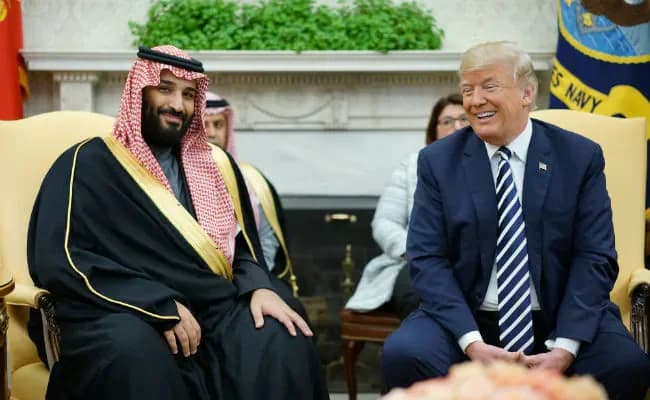
The report cited details from the 2017 US-Qatar agreement for the purchase of F-15QA Ababil fighter jets, under which Israeli firms secured subcontracts worth an estimated $150 million-250 million to supply components and systems. These included Joint Helmet Mounted Cueing System (JHMCS) helmets and AN/AVS-9 night-vision equipment. According to Haaretz, each Collins Elbit JHMCS helmet is estimated to cost approximately $200,000, placing the value of Saudi helmet sales alone at roughly $100 million. Qatar separately acquired 160 of the same helmet systems under a contract valued at approximately $35 million. Similarly, a US Defence Department statement from 2010 showed similar Israeli-made equipment was supplied to Saudi Arabia as part of Boeing's F-15SA fighter jet deal, with Riyadh receiving 462 Joint Helmet Mounted Cueing Systems and an equal number of AN/AVS-9 night-vision goggles. U.S. Defense Department records show that the Saudi procurement included 462 JHMCS combat helmets and an equal number of AN/AVS-9 night vision goggles, matching the equipment supplied for Qatar's F-15 fleet. The defense trade has been conducted in strict secrecy, despite the fact that both Gulf monarchies declined to join the Abraham Accords—which normalized diplomatic relations between Tel Aviv and several Arab nations—and continue to maintain no formal diplomatic representation with Israel.
The JHMCS technology displays flight information on the pilot's visor and allows pilots to track and engage targets more effectively. According to Haaretz, Collins Elbit Vision Systems, a joint venture between Elbit and RTX, supplied the Joint Helmet Mounted Cueing System (JHMCS) for both Qatar and Saudi Arabia's fighter jet programs. The helmet enables pilots to project flight data directly onto the visor, allowing them to identify targets and deploy weapons without diverting their attention from the battlefield. Elbit also supplied AN/AVS-9 night-vision goggles as part of the aircraft program. Additional Israeli companies were involved through specialized aviation and engineering contracts, with Israel Aerospace Industries contributing through its aviation division focusing on avionics integration and aircraft assemblies, while TAT Technologies and Beth-El Industries participated in supplying aviation-related systems and environmental control equipment for the program. The sales took place despite Qatar and Saudi Arabia having no formal diplomatic relations with Israel. The report further noted that Elbit and other Israeli defense firms have not only provided protection for the royal family's fleet but have also manufactured critical components for the F-15 fighter jets purchased by Qatar from the US. The investigation also details Israeli participation in Qatar's fleet of U.S.-built F-15QA Ababil fighter aircraft through subcontracting arrangements with Boeing, with official U.S. government documents indicating Israeli companies secured contracts valued between $150 million and $250 million to supply advanced components and avionics for the aircraft.
According to Haaretz, a company associated with former senior Mossad officials and retired Israel Defense Forces Major General Yoav (Poli) Mordechai represented Rafael Advanced Defense Systems and Elbit Systems during negotiations with Qatar and also explored potential cooperation involving Israel Aerospace Industries. According to subsequent reporting by Calcalist, Mordechai and his business partner received hundreds of thousands of dollars in brokerage fees beginning in 2018 from transactions involving Elbit systems designed to protect aircraft operated by Qatar's ruling family. These disclosures emerge as political attention in Israel remains focused on the so-called Qatargate affair, an investigation examining alleged business connections between Qatar and individuals close to Prime Minister Benjamin Netanyahu. While addressing the controversy, Netanyahu described Qatar as "a complicated country," a characterization that reflects the contrasting relationship between the two states. Although he has at times supported measures identifying Qatar as a state sponsor of terrorism and authorized military actions targeting senior Hamas figures in Doha, the newly revealed defense transactions indicate that security cooperation has continued behind the scenes. The report notes that despite public political disagreements—including Israeli criticism of Qatar's relationship with Hamas—commercial and defense cooperation appears to have continued through international procurement programs. The report also highlighted that Saudi-Israeli normalisation talks had gained momentum before the October 7, 2023, Hamas attack but are currently stalled, suggesting the complex diplomatic landscape continues to influence regional defense cooperation.