India and China held 'constructive' and 'forward-looking' talks on the situation along the Line of Actual Control (LAC) in eastern Ladakh, according to the Ministry of External Affairs (MEA). The discussions took place during the 35th round of the Working Mechanism for Consultation and Coordination (WMCC) in Beijing on Wednesday, as reported by Business Standard. The two sides noted that maintaining border peace and tranquillity enabled progress in the normalisation of overall relations between the countries, with both sides expressing satisfaction over efforts to preserve peace and tranquillity in border areas. The talks also covered issues related to border management, delimitation mechanisms and cross-border cooperation, with India additionally stressing the need for an early meeting of the expert-level mechanism concerning trans-border rivers.
India and China reviewed the situation in India-China border areas and expressed satisfaction with the progress made in maintaining peace and tranquillity in the border areas, the MEA stated. The two sides discussed various aspects of the border situation, including issues pertaining to delimitation, border management, mechanism building and cross-border cooperation. The Indian delegation was led by Sujit Ghosh, joint secretary (East Asia) in the MEA, while the Chinese delegation was led by Hou Yanqi, director general of the Boundary and Oceanic Affairs Department of the Chinese foreign ministry. During the visit, Ghosh also met Liu Jinsong, Director at the Chinese Foreign Ministry's Department of Asian Affairs, and made a courtesy call on Chinese Assistant Foreign Minister Hong Lei. Both countries agreed to maintain regular diplomatic and military-level communication through established mechanisms aimed at preventing escalation and managing differences peacefully.
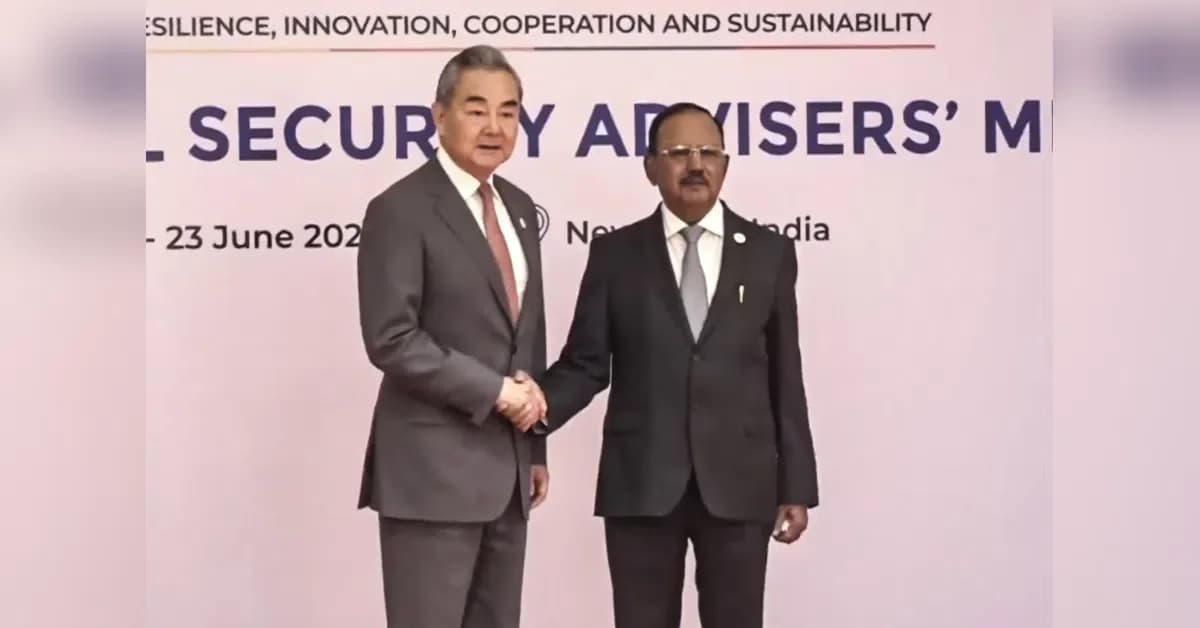
The two sides agreed to work together to make 'substantive preparation' for the next meeting of the Special Representatives (SR) which is to be held in China, as reported by Business Standard. This follows the Special Representatives dialogue in New Delhi in August last year between National Security Advisor Ajit Doval and Chinese Foreign Minister Wang Yi, which produced outcomes to maintain peace along the border. The Indian side stressed an early meeting of the next expert-level mechanism on trans-border rivers during the recent talks, reflecting broader concerns regarding water-sharing and regional coordination. The two countries also agreed to continue diplomatic and military-level engagement through existing channels, including mechanisms created following the outcomes of the 24th Special Representatives talks.
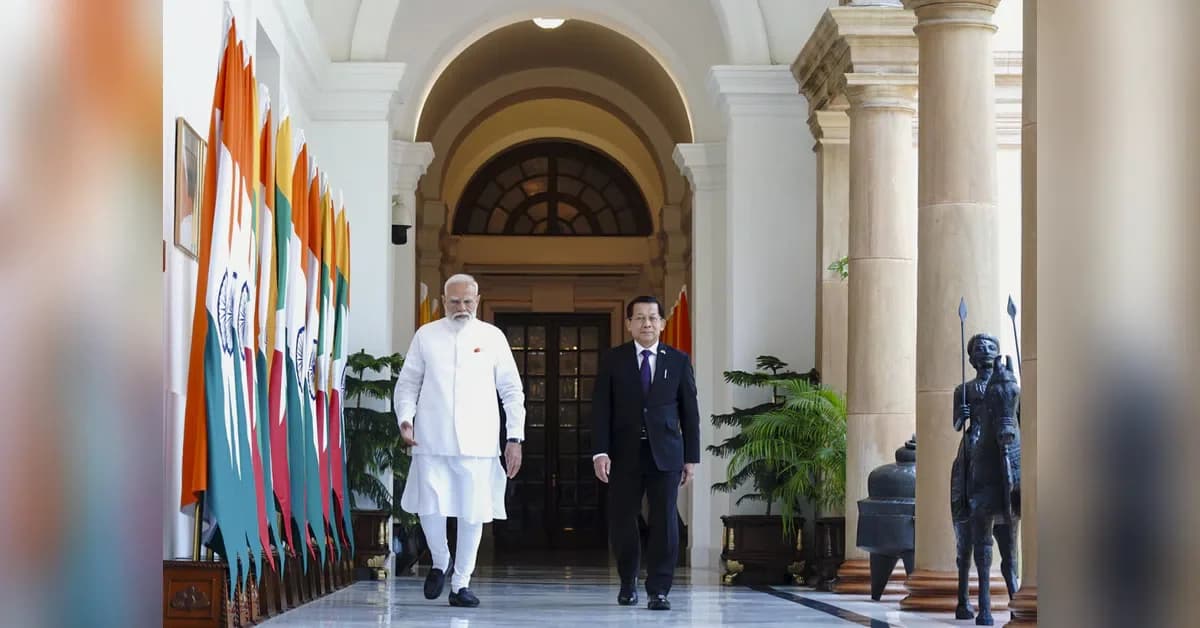
The WMCC meeting took place as India and China sought to reset their strained ties following the deadly Galwan Valley clashes in 2020 and subsequent military face-off that lasted for over four years. Following a series of diplomatic and military talks, the two sides withdrew their troops from several friction points along the LAC in eastern Ladakh. In October 2024, the two sides firmed up a disengagement pact for Depsang and Demchok, the last two friction points in eastern Ladakh. Days after the agreement was finalised, Prime Minister Narendra Modi and Chinese President Xi Jinping held talks in Kazan and took decisions to improve ties, while Modi travelled to Tianjin in August last year to attend the annual SCO summit. During those discussions, Modi reiterated that India remains committed to advancing ties with China based on mutual trust, mutual respect and sensitivity to each other's concerns.
The latest round of talks comes amid a gradual improvement in ties between New Delhi and Beijing after years of strain. Earlier this month, Chinese Consul General in Kolkata Xu Wei spoke about the improving trajectory of India-China relations, especially in trade and people-to-people exchanges. "Under the strategic guidance of both our leaders, China-India relations are now moving toward advancement. We are very glad to see our bilateral trade relations also making great progress. Our bilateral trade last year recorded the highest trade volume in recent years," Xu Wei said while speaking at a special session on Indo-China trade and development of the Northeast. The two countries have also resumed direct flight operations, which had remained suspended following the COVID-19 pandemic and the Doklam standoff in 2017. PM Modi approved changes to investment guidelines for countries sharing land borders with India, including China, with the Cabinet clearing amendments in the FDI policy to introduce a definitive timeline for investments in critical sectors. While deep strategic mistrust persists, both countries are attempting to prevent border tensions from derailing broader diplomatic and economic engagement.