The International Fund for Agricultural Development (IFAD) is significantly expanding its investment approach in India, with Associate Vice-President Donal Brown announcing plans for 3-4 direct private sector investments over the next year. According to reports from Business Standard, this represents a fundamental shift from IFAD's traditional government-focused approach, as the agency has been present in India since the 1970s and has largely worked with state governments. The funding agency currently maintains a $1.2 billion portfolio across five projects with direct IFAD financing of approximately $350 million, primarily concentrated in remote rural regions and poorer states. As Brown explained, "We fundamentally partner with governments. These are government-owned projects, whether at the state or national level. We strongly believe that government ownership is critical for sustainability and scale." However, the agency is now broadening partnerships by recently signing a letter of intent with the National Bank for Agriculture and Rural Development (NABARD) to explore co-investment opportunities.
IFAD has amended its Articles of Agreement around six to seven years ago to allow direct private sector investments, moving beyond its previous model of routing all investments through governments. As reported by Business Standard, the agency recently signed a letter of intent with the National Bank for Agriculture and Rural Development (NABARD) to explore co-investment opportunities. The investments will focus on agricultural value chains, addressing bottlenecks in quality inputs, storage, processing, and market access. Access to credit remains one of the biggest constraints for small farmers, particularly those underserved by mainstream commercial finance, creating significant opportunities for targeted private sector investments. Brown emphasized that "Our mandate is different from that of commercial investors or traditional impact funds. We are focused on investments that can transform the lives of small farmers and rural communities. These may not always generate the highest financial returns, but the development returns are significant. That means we are willing to take greater risks and make smaller investments where the social impact is substantial."
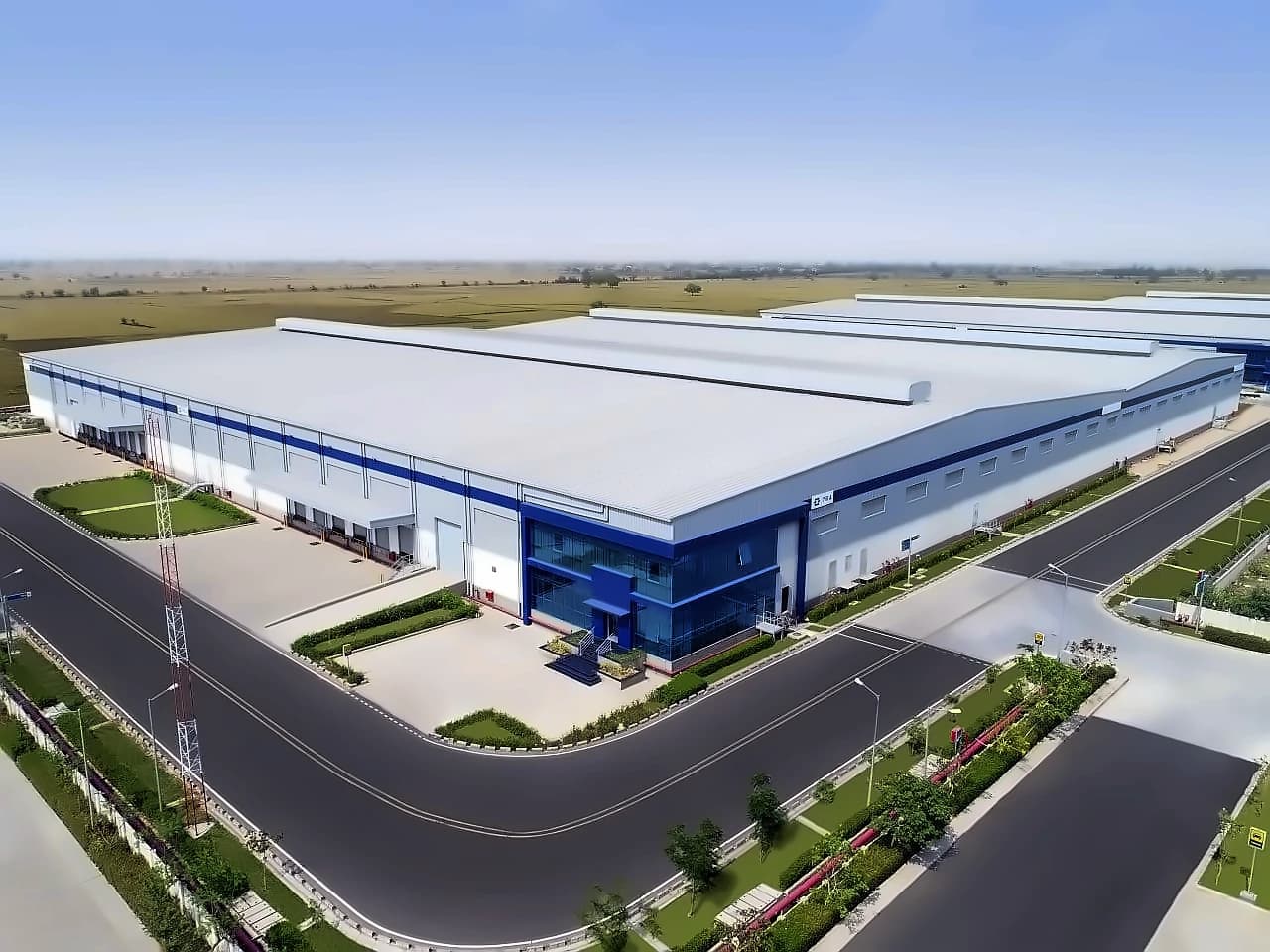
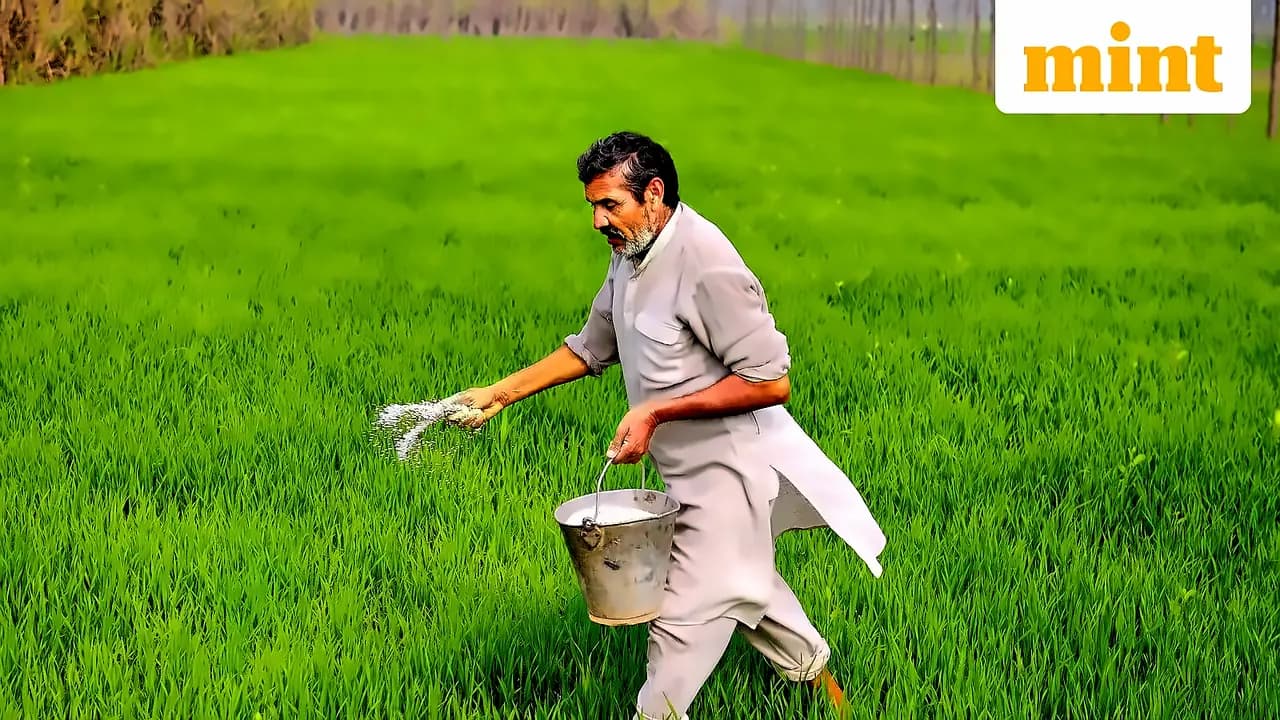
According to Business Standard reports, IFAD will evaluate investments ranging from startups and storage operators to service providers and rural finance institutions. The agency identifies that 30-40% of produce is lost between harvest and sale due to inadequate storage, with potatoes being a prime example where lack of cold storage leads to significant crop spoilage. Weak processing capacity often results in wastage before crops reach markets, creating substantial opportunities for private investment in cold-chain infrastructure and processing facilities. Brown noted that "In agriculture, the main constraints are often not production itself, but access to quality inputs, storage, processing or markets. For example, if a value chain suffers because farmers lack access to fertilisers or seeds, we may support smaller companies that can expand delivery systems." The investments will focus on transforming the lives of small farmers and rural communities, with IFAD willing to take greater risks for substantial social impact.
As reported by Business Standard, IFAD maintains a AA+ credit rating from Standard & Poor's and Fitch, allowing it to raise funds through debt markets and private placements. The agency's funding structure includes one-third from market borrowing, another third from loan repayments and interest income, and only about one-third from donor contributions. This diversified approach provides financial stability during challenging global environments, with IFAD positioned as the only international financial institution dedicated exclusively to rural economies and small-scale agriculture. Brown explained that "We also occupy a distinct niche. IFAD is the only international financial institution dedicated exclusively to rural economies and small-scale agriculture. That specialised expertise makes us a preferred partner, often alongside larger institutions such as the World Bank and Asian Development Bank."
According to Business Standard reports, IFAD emphasizes that small farmers globally produce around 30% of the world's food and will remain critical to food security despite current geopolitical tensions and supply disruptions. The organization notes that the Covid-19 crisis demonstrated the importance of local food systems when global supply chains broke down. Brown highlighted that "The world had become overly dependent on global supply chains, and when those systems broke down, local food systems became critically important. We are seeing similar disruptions now in areas such as energy and fertilisers." IFAD's strategy focuses on collective organization through cooperatives and producer institutions, as individual small farmers lack bargaining power, while collective aggregation enables better price negotiations and market terms. The agency plans to deepen knowledge transfer by sharing successful state-level models and India's rural poverty reduction achievements with the global development community.