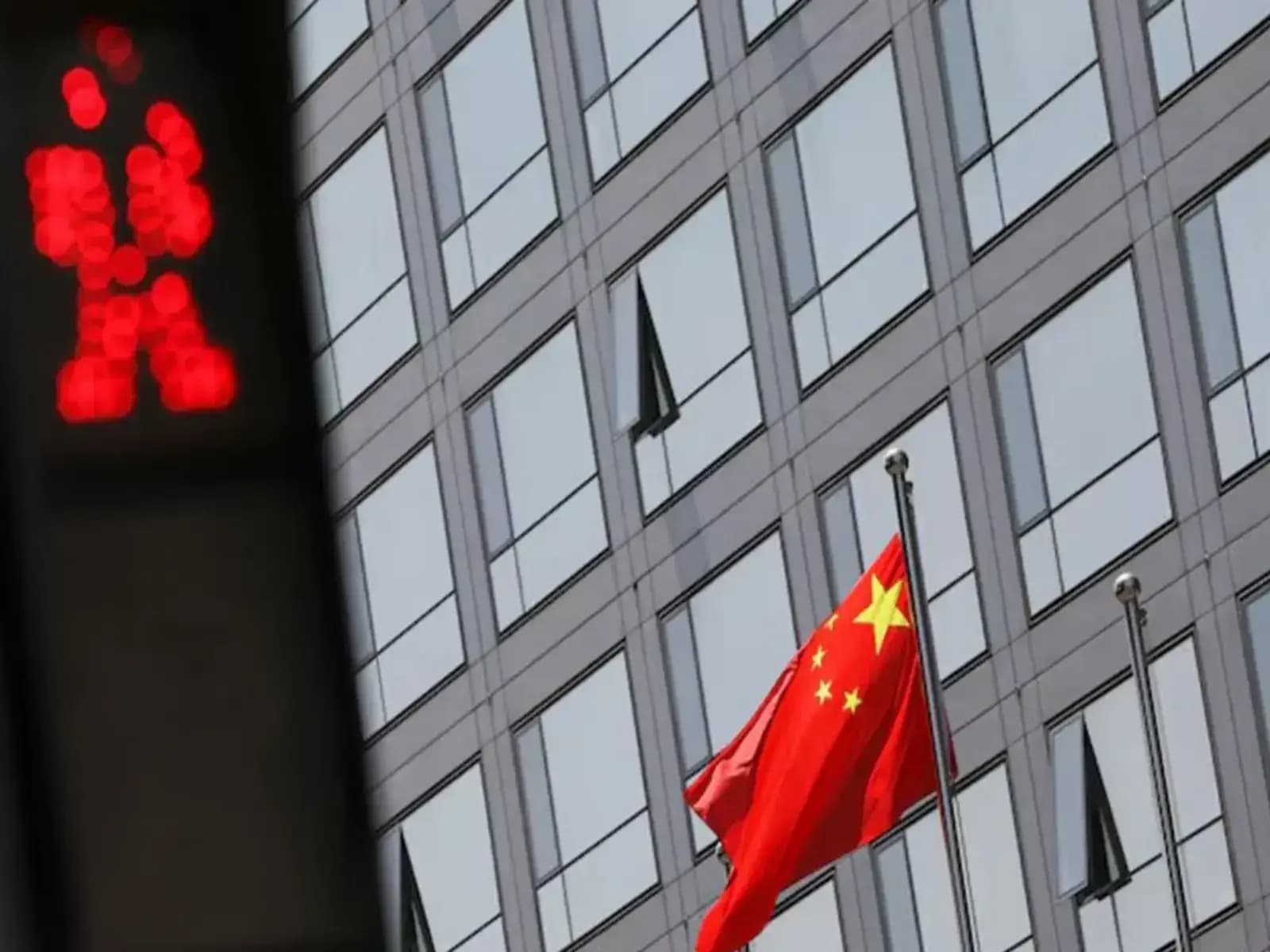
Beijing is implementing comprehensive measures to tighten control over offshore capital movements, according to reports from Bloomberg. The latest campaign includes roughly $330 million in penalties against three brokerages, tougher reviews of banks and trust structures, and closer attention on wealthy individuals. These measures represent a broader message that offshore money can still move, but Beijing wants the route mapped, the paperwork stamped, and the traveller visible. The timing is particularly significant as Hong Kong's financial revival has increasingly relied on this mainland wealth conveyor belt.
China's wealthy households and companies reportedly moved a record $807 billion offshore last year, with much of this capital finding its way through Hong Kong's financial ecosystem. As reported by Bloomberg, this money did not just sit quietly in accounts but generated significant economic activity including fees, underwriting mandates, equity turnover, property transactions, and conspicuous spending that makes financial centres feel alive again. However, the playbook is becoming harder to execute as mainland clients face more demanding onboarding checks, including declarations that wealth was sourced outside China.

Private bankers are fielding more questions from clients who suddenly realise that the old route may still be open, but the map is changing beneath their feet. According to Bloomberg reports, some ultra-wealthy individuals are already looking further afield toward Europe, Switzerland and the US, not necessarily because Hong Kong has lost its financial sophistication, but because the political and regulatory distance between Hong Kong and the mainland is shrinking. This represents a fundamental shift in the strategic positioning of Hong Kong as China's offshore financial gateway.
The offshore IPO route is also coming under significant pressure as Beijing appears to be slowing the financial escalator that Chinese entrepreneurs have used for years. As reported by Bloomberg, Chinese entrepreneurs could previously build a business onshore, wrap it in an offshore holding structure, list abroad or in Hong Kong, collect dividends and then turn those proceeds into overseas property, trusts or family-office capital. Beijing now appears to be tightening red-chip IPO structures and questioning whether Hong Kong listing proceeds can remain offshore indefinitely, fundamentally altering the traditional financial structure.
The implications for Hong Kong extend beyond deposits to the entire chain of economic activity attached to the capital pipeline. According to Bloomberg analysis, if the capital pipeline narrows, Hong Kong risks losing wealth-management balances, brokerage commissions, IPO underwriting, legal and trust work, luxury real estate and the family-office ecosystem that has become a centrepiece of its post-Covid revival. The tension becomes particularly difficult to ignore as Hong Kong still wants to market itself as China's natural offshore financial gateway, while the more Beijing tightens control over outbound wealth, the more Hong Kong risks looking less like an offshore release valve and more like an extension of the domestic control system.