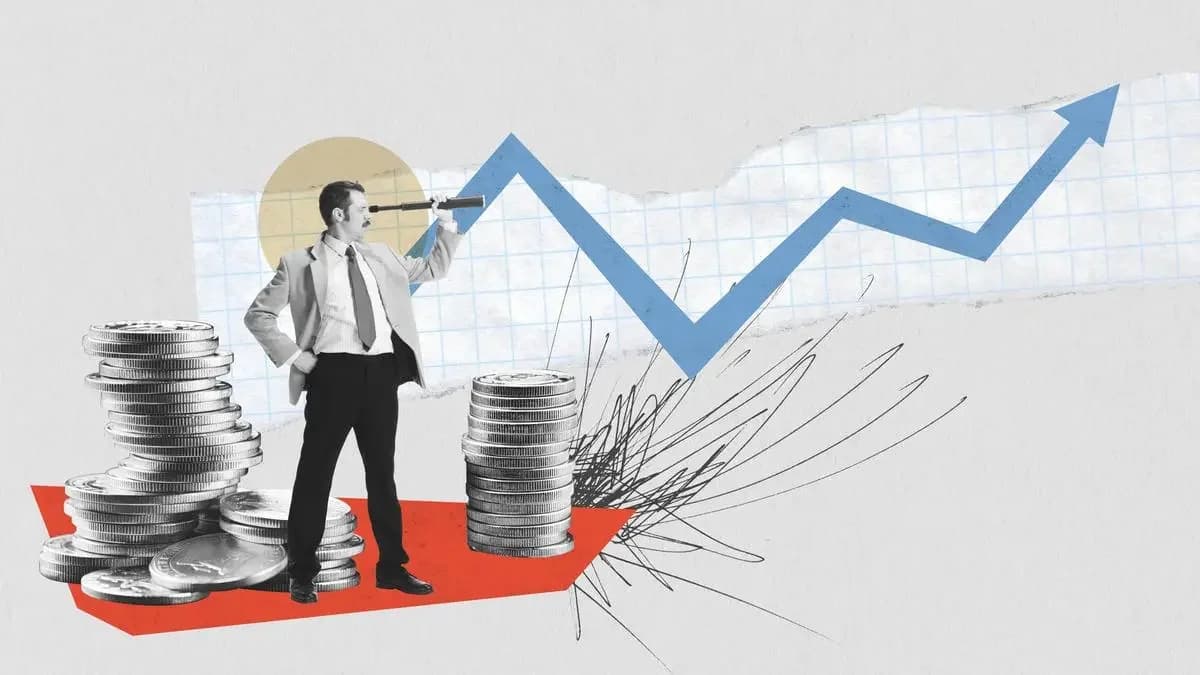
Despite the ongoing AI revolution transforming software and business models, David Roche from Quantum Strategy has issued a stark warning that the AI boom may be a bubble that could burst. Speaking to ET Now, Roche argued that "AI is... a bubble. Not because it is not a good product, but because the amount of money being poured into it is not rational and will not be remunerated by profits." The powerful new AI tools have sparked what analysts are calling the 'SaaS-pocalypse', with questions emerging about whether the massive capital expenditure being spent by hyperscalers will prove a smart investment. However, Meta Platforms (NASDAQ:META) is trading at just 18.0 times forward P/E with more than enough cash to spend aggressively, suggesting there may be deep value opportunities in the AI sector beyond the hype.
Despite ongoing geopolitical tensions and inflation concerns, global investors are maintaining their optimistic stance on equities. According to Bank of America's monthly Global Fund Manager Survey, institutional investors managing more than half a trillion dollars indicated the highest levels of economic and corporate profit growth forecasts in three months. The survey, conducted over the week ending June 11, showed continued bullish sentiment even before signs of detente between the U.S. and Iran emerged. However, some managers have trimmed long positions and boosted cash buffers modestly ahead of the summer months. As per David Roche from Quantum Strategy, investors may be overlooking deeper structural risks that could eventually reshape financial markets, with his concern centered on "over a trillion dollars being dedicated to IT."
Global equity markets have demonstrated impressive performance across major indices. As reported by Bank of America, the S&P 500 has risen approximately 15% and the tech-focused Nasdaq has surged 24% since the start of the second quarter, with both indexes sitting just shy of their all-time peaks. International markets have shown equally strong gains, with Japan's Nikkei 225 climbing more than 37% this year and South Korea's Kospi up 102%. The MSCI World index of benchmark shares is up just over 9% for the year. According to David Roche, the Fed's commitment to fighting inflation has strengthened confidence in the US dollar, with interest rates expected to remain stable as the central bank prioritizes price stability.
Oil prices have experienced significant volatility, falling nearly 30% since their early May peak and trading just north of $80 per barrel in early Tuesday trading. According to the survey, investors are adjusting their bets ahead of newly agreed but still unpublished U.S.-Iran cease-fire terms. However, inflation remains the market's key concern, with U.S. headline inflation hitting 4.2% last month, the highest in three years, and surging 1.9 percentage points since the start of the year. This has stoked a 50-basis-point increase in 10-year Treasury note yields since February. As per David Roche, "The reason for the oil prices to go up has now been removed. There will be more oil and lower prices." He believes the recent rise in inflation is likely to prove temporary as oil prices ease and the Federal Reserve remains focused on price stability.
The survey reveals mixed sentiment regarding the artificial intelligence investment cycle, with just over 20% of investors saying the current AI investment cycle is in a stage of "euphoria," suggesting the price-to-value relationship has hit a danger zone. However, around 56% said the sector's boom is likely to continue. The PHLX Semiconductor index has doubled since the end of last year, closing at a record high of 14,099.62 points on Monday, indicating a second-quarter gain of 86% so far. An index of the Magnificent Seven tech giants has powered 15% higher this quarter, taking its one-year gain to around 27%. Despite bubble warnings from David Roche, who cautioned that "Nobody is going to pay the amount of money that would have to be paid to actually pay back this capital," analysts suggest that hyperscalers may offer the generational moats worth targeting as the AI boom separates secular winners from cyclical overpays.
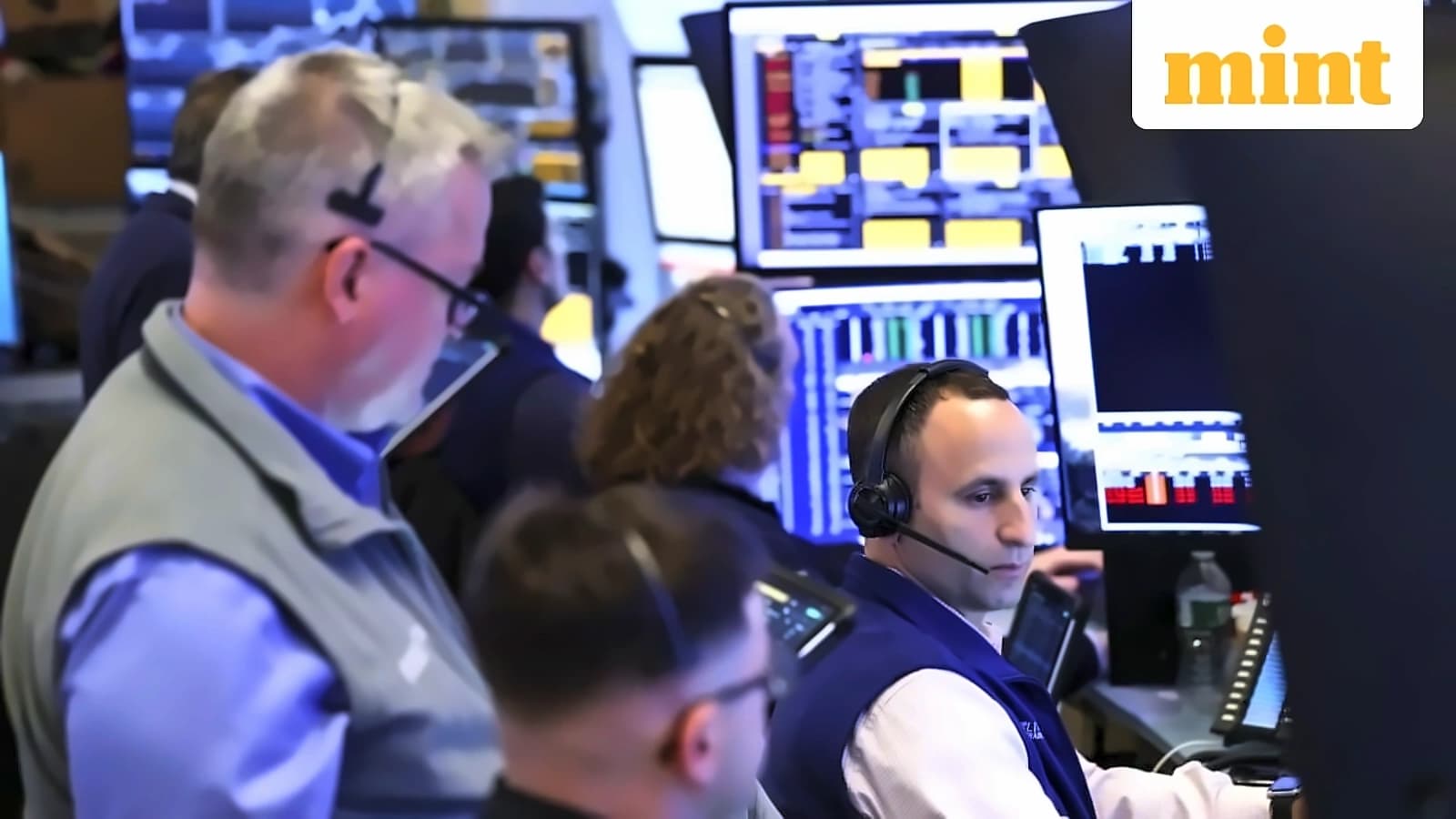
According to the survey, more than half of those polled expect new Federal Reserve Chairman Kevin Warsh to execute a "hawkish hold" on rates Wednesday in Washington, with increases coming over the next 12 months as price growth tied to the U.S. war with Iran continues to pressure headline inflation readings. Rate hikes have also come from the Bank of Japan, which lifted its benchmark lending rate to 1%, the highest in 31 years, and the European Central Bank's quarter-point increase last week. The survey indicates that inflation remains the market's key "tail risk," replacing concerns over global military conflicts and topping worries about a bubble in artificial intelligence stocks. David Roche noted that "The MoU is a bad, bad, bad deal. It puts Iran in charge of the Gulf... and essentially puts the Iranians... back in the dollar flow," though he acknowledged that "Trump needs this deal because he needs lower oil prices."