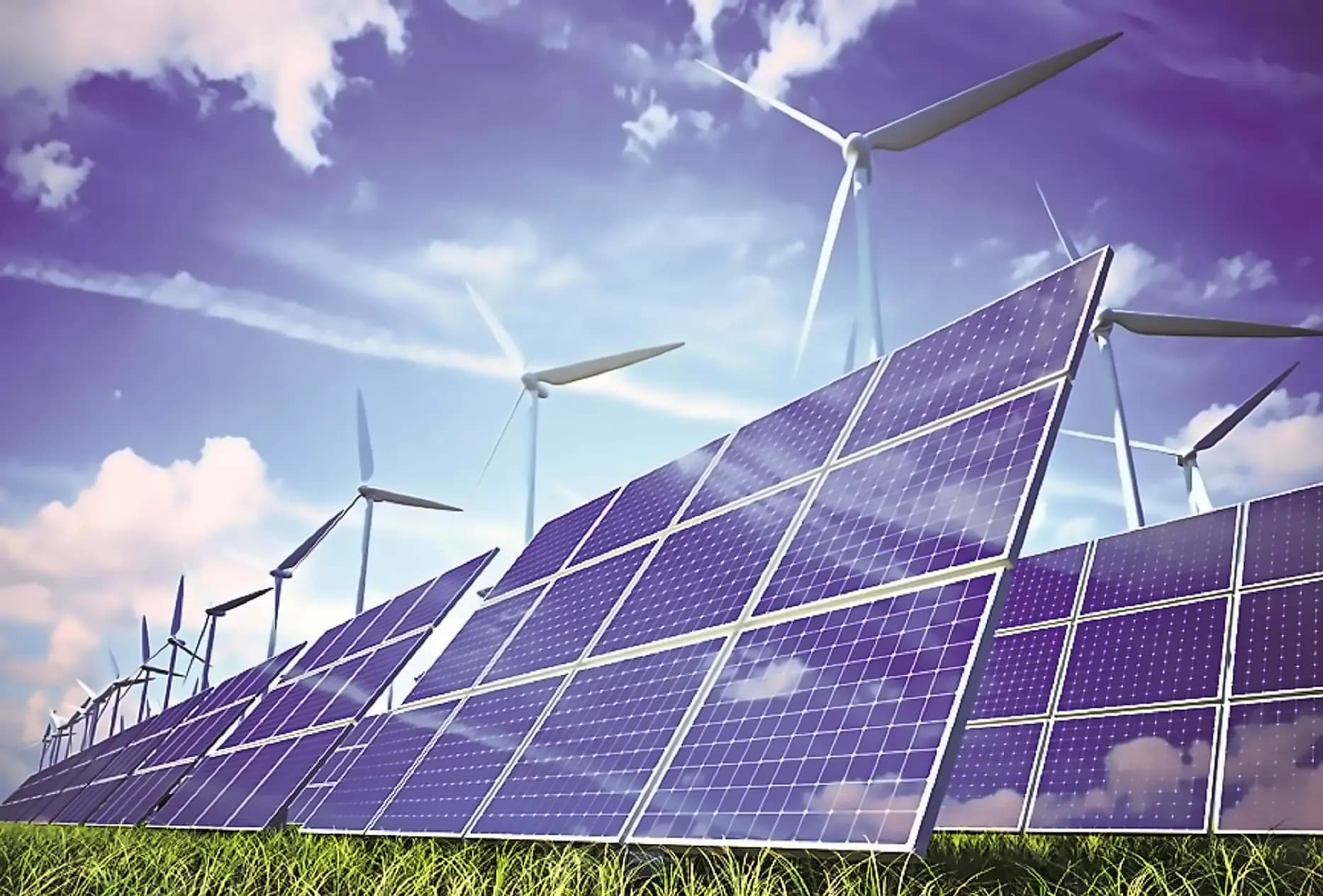
The Turkey-led 35×35 initiative faces mounting criticism over fairness and implementation gaps as COP31 negotiations enter their second week. According to the latest media briefing, some 600 million people in Africa still lack electricity, yet the plan risks prioritizing data centres and air conditioning in wealthy countries. The concerns have been sharpened by Turkey's new AI declaration, highlighting the potential for electrification to benefit developed nations while leaving developing regions behind. Electrification must pass three critical tests: replace fossil fuels without including nuclear power, run on renewable energy, and come with finance for countries that need it. As reported by Climate Action Tracker, more countries are bringing forward national roadmaps for transitioning away from fossil fuels, but momentum must become real plans with finance and safeguards for workers and communities.
The Like-Minded Developing Countries bloc, representing two dozen nations including China, India and Bangladesh, has made clear it will not support any recognition of the electrification pledge in the final COP31 declaration, according to people familiar with the matter who asked for anonymity to detail private negotiations. As reported by Business Standard, this opposition effectively scuppers efforts to specify that the goal should involve commitments to use clean electricity. The bloc's representatives did not respond to requests for comment on their position. The Arab Group, the African Group and Malaysia want the Mitigation Work Programme to continue until 2030, while the EU and Mongolia have proposed 2040, with parties disagreeing over how closely it should be tied to the Global Stocktake. However, EU climate commissioner Wopke Hoekstra has hinted that the bloc may be willing to drop a condition that any electrification agreement refers explicitly to "clean" power to get more countries on board, according to Politico.
Organisers of the summit in Antalya, Turkey, are seeking support for a voluntary pledge to raise electricity's share of global final energy demand to 35 per cent by 2035, from just over 20 per cent currently. According to Business Standard, the campaign has won endorsement from companies including ABB Ltd and Schneider Electric SE, as well as more than two dozen countries. By Saturday, more than 30 governments and nearly 100 private-sector organisations had expressed support for the pledge, with UK Prime Minister Andy Burnham saying at the talks on Thursday that his country would endorse the goal. However, some cover-decision proposals leave room for gas and nuclear, undermining the initiative's clean energy focus. Australia, which is overseeing the negotiations, has promised a first draft of a potential agreement early this week, though countries remained deeply divided even on whether a final agreement should proceed.
Climate finance pledges have fallen by 70%, according to Carbon Brief analysis, even as the same governments raise military spending and continue subsidizing fossil fuels. New text under the Climate Finance Work Programme has reopened old fault lines over developed countries' obligations under Article 9.1 of the Paris Agreement. Developing countries are pressing for a delivery target and an agreed baseline, so that commitments can be measured and governments held to account. Countries including the G77 and China rejected the latest text on Saturday as too weak, highlighting the growing divide over climate finance commitments. Wealthy countries are promoting access-to-finance declarations and private finance initiatives, but without public finance from historic polluters, every other outcome risks becoming a plan with no means to carry it out. However, UK, Norway and Canada have launched a joint $10bn climate finance initiative to channel funding into climate projects in emerging markets by 2030, with development finance institutions sharing investment pipelines and coordinating due diligence.
The Santa Marta coalition, representing 57 countries that formed after the 2025 Brazil COP deadlock, continues to build momentum for fossil fuel phase-out implementation. As reported by NewClimate Institute, the coalition is "keeping up the political momentum" and demonstrating that "there is this huge group of countries who really want to accelerate this transition away from fossil fuels." Since the Santa Marta conference, Germany, France and the Netherlands have released national plans to phase out fossil fuels, while Finland presented its TAFF roadmap during the first week of COP31. Brazil has published a nearly 200-page global roadmap envisioning phased transition between 2028 and 2033, with measures tailored to each country's circumstances including subsidy reduction and renewable energy expansion. The coalition is "really answering a lot of the questions that countries have always had on how on earth do we even start to transition our whole economy off fossil fuels," according to climate diplomacy adviser Alexandra Scott.