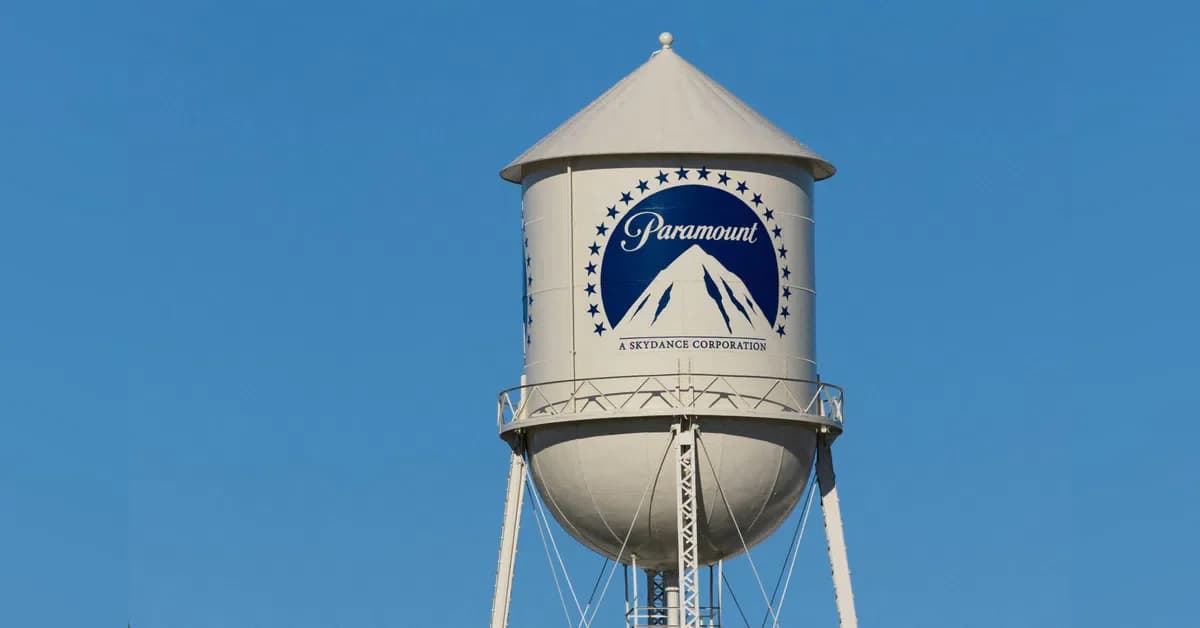
Paramount Skydance Corp secured European Union antitrust approval for its $110 billion acquisition of Warner Bros Discovery after agreeing to ditch a film distribution joint venture with Universal Pictures, as reported by Reuters. The European Commission confirmed that Paramount Skydance's offer to end the United International Pictures JV in Europe within 13 months of closing the deal addressed its competition concerns. The company will not do any film distribution deal with Universal in Europe for 10 years and will not transfer the distribution of Warner's films in theatres to its own distributor. The Commission stated that these commitments fully address the competition concerns identified by the Commission by ensuring that the films of the merged entity will not be distributed jointly with those of Universal or Disney. The EU's blessing marks the latest in a chain of regulatory clearances, with Paramount also receiving approvals from Australia, China and Canada, though other reviews remain in progress including from the U.K.
Despite the EU approval, the $110 billion merger faces significant US challenges after a federal judge ordered the companies to halt the deal for at least two weeks. District Judge Araceli Martinez-Olguin granted the temporary restraining order after twelve US states, led by California, sued to block Paramount's pending buyout of Warner. The states argued that such a combination would 'extinguish competition' in Hollywood and leave consumers with fewer choices. California Attorney General Rob Bonta called this a 'critical first win' in their case, stating that history shows what happens when few people have great power over markets central to Americans' lives. The lawsuit alleges the merger violates Section 7 of the Clayton Act, which prohibits mergers that may substantially lessen competition or tend to create a monopoly. Paramount has called the states' claims meritless and reiterated that findings from the EU's approval 'directly refute key assumptions that underpin the state AGs' complaint'.
The merger faces significant financial pressure from legal delays, with Paramount CEO David Ellison on the hook to pay Warner Bros shareholders a 25-cent-per-share 'ticking fee' or about $7 million a day for each calendar day the merger is delayed past September 30. The companies had proposed wrapping up a preliminary injunction hearing by the end of August, leaving time for a possible appeal by September 30. At a hearing Friday, the states proposed beginning a trial in April 2027 to allow sufficient time for evidence gathering and discovery. The timing is financially significant as the companies had been expected to try to complete the deal as early as this week, with the deal set to be halted until at least a preliminary injunction hearing currently slated for August 3.
Beyond the state opposition, Paramount faces additional legal fights including from the Writers Guild of America seeking to block the merger, which said it would jeopardize writers' livelihoods and threaten the health of U.S. entertainment. Another hurdle is Britain, which last month said it may intervene because of the potential impact on news, children's television and streaming services. The deal is also the target of accusations from a shareholder who claims CEO David Ellison and his father Larry Ellison promised 'illegal, private benefits' to Trump to get the merger through. Paramount has repeatedly dismissed such accusations, and the U.S. Justice Department maintained its review was not political. The merger would unite two of Hollywood's five remaining legacy studios, along with major television networks, streaming libraries and news operations, putting HBO Max, fan favorite titles like 'Harry Potter' and even CNN under the same roof with CBS, 'Top Gun' and the Paramount streaming service.