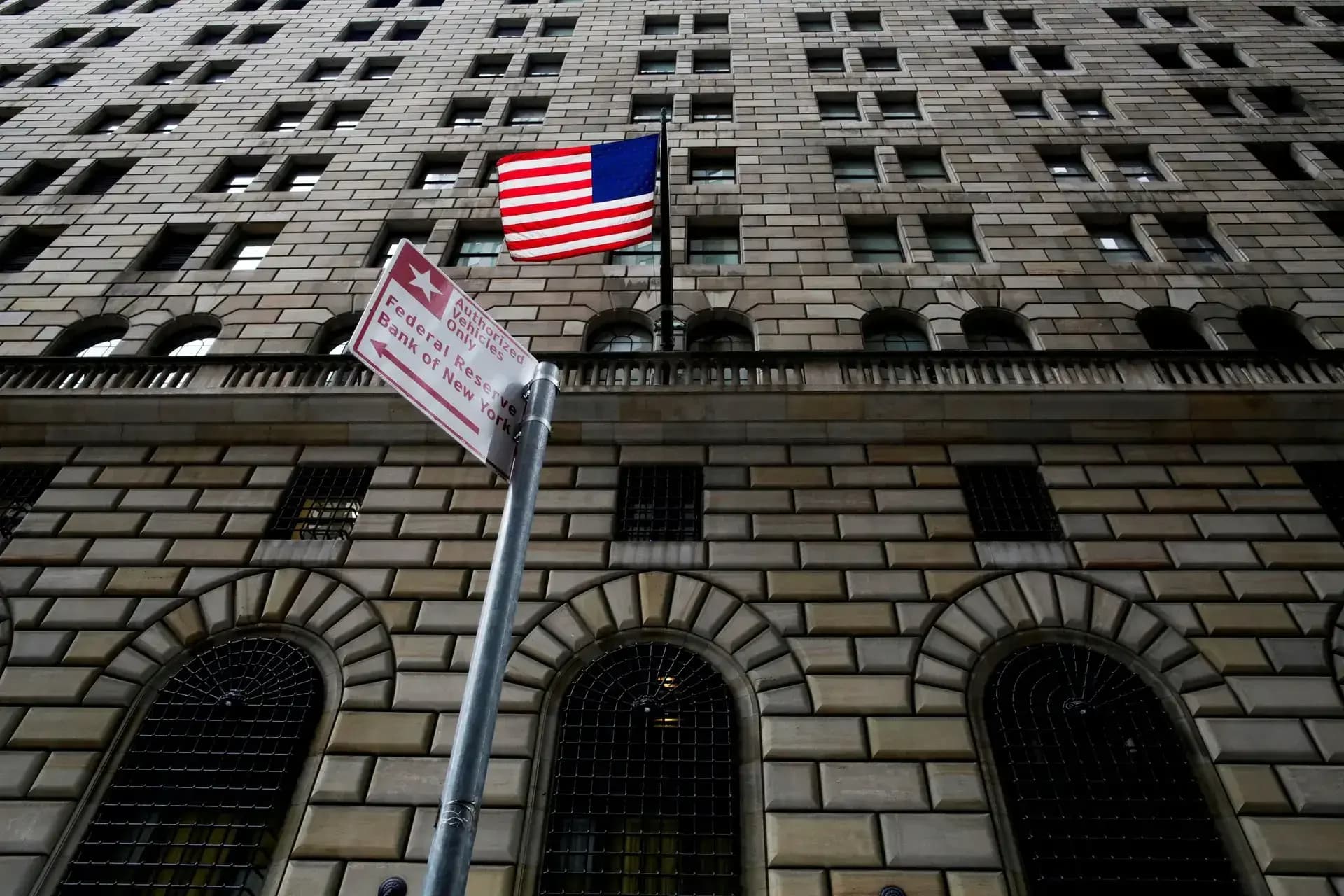
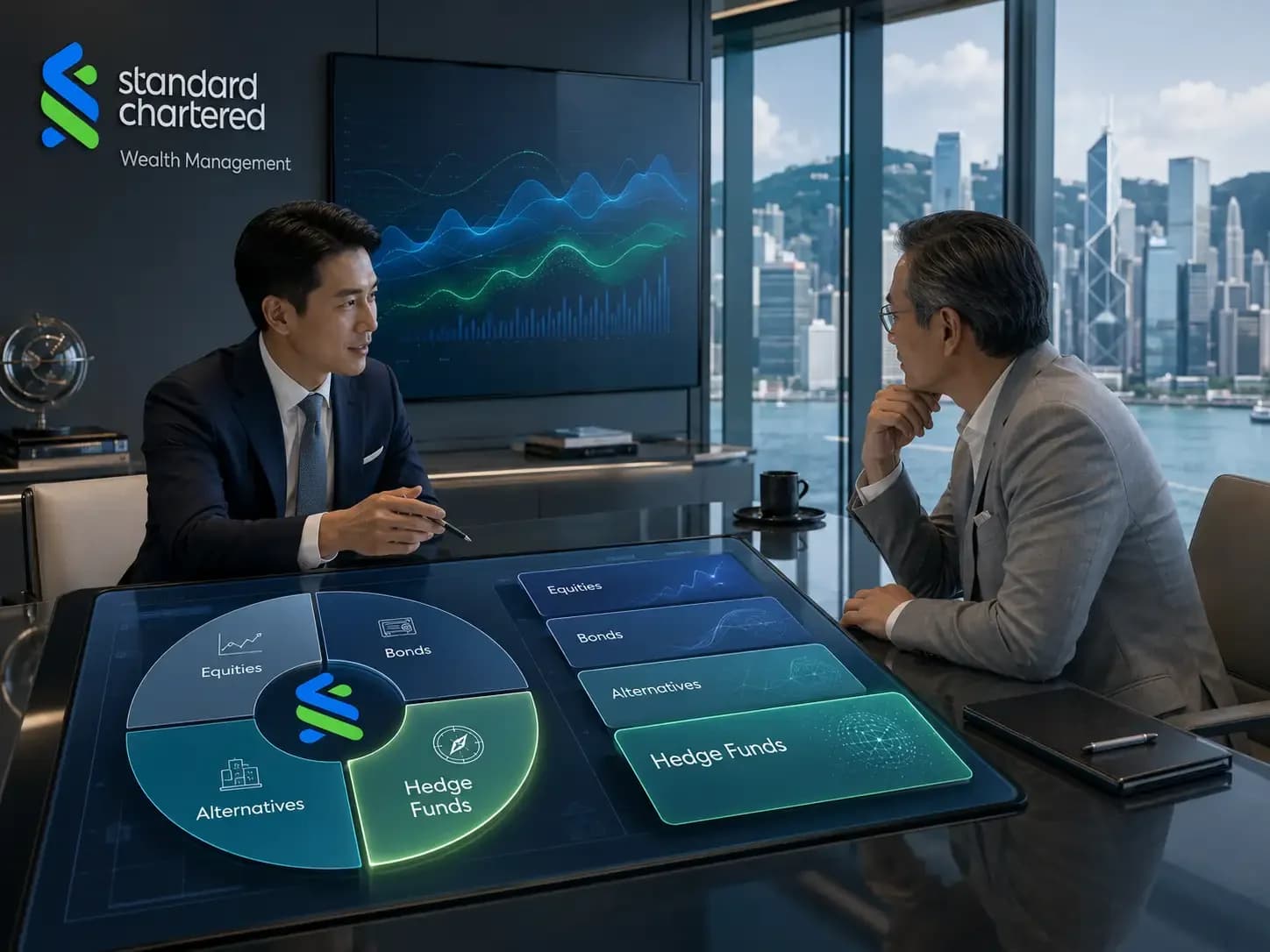
The Federal Reserve's patient stance on interest rates is gaining broader support from major financial institutions. HSBC Private Bank and Premier Wealth has joined Standard Chartered Bank in expecting the Fed to maintain current policy through 2026 and 2027, with rates remaining unchanged despite the new Fed Chair's more hawkish tone. According to HSBC's analysis, the more hawkish tone from the new Fed Chair reinforces the view that policy rates will remain steady through 2026 and 2027, with upside risk increasing but no immediate moves anticipated. This consensus reflects the combination of strong productivity growth, easing oil prices, and subdued labour cost pressures that have reduced urgency for policy action. HSBC maintains an overweight position on US equities and has become more bullish on the USD, viewing any short-term market volatility as a buying opportunity while remaining diversified with quality bonds, gold and alternative assets.
Both institutions highlight that unit labour costs, which are the biggest driver of domestic price pressures, remain very muted according to Standard Chartered's Steve Englander. HSBC notes that earnings growth for the majority of the S&P 500 remains supportive, with consensus earnings growth forecasts for 2026 exceeding 10% across most sectors (23% overall). The positive earnings momentum is spreading beyond IT and Communications sectors, with Energy and Materials benefiting from AI-led innovation and data centre construction requirements. Englander's forecast indicates the Fed would remain flat in 2026, reflecting the current stable economic environment where upside inflation risk remains, but economies may be better positioned to absorb an energy shock than in 2022. Recent data shows May CPI rose 4.2% year over year, its highest reading in more than three years, while core inflation held softer and kept the reacceleration debate alive. With energy prices stabilising following the US-Iran interim peace agreement, inflation risks are now more balanced, supporting HSBC's revised forecast of no further rate hikes in 2026.
Market expectations for interest-rate moves have shifted modestly, but both institutions believe these changes are largely technical rather than fundamental. The hawkish Fed stance and hot inflation print have contributed to a broad and steep drawdown across digital assets, extending May's pullback into a significant market correction. Digital asset funds extended their outflows to roughly $4.1 billion, the largest monthly total of 2026, with Bitcoin funds accounting for close to $4.0 billion as rate-cut hopes faded and the war premium stayed unresolved. At Chair Kevin Warsh's first meeting on June 17, the FOMC held the policy rate at 3.50% to 3.75% on a 12-to-0 vote, with updated projections erasing the prior indication of a 2026 cut and flipping toward a hike, pushing any easing into 2027. HSBC believes the AI innovation cycle is here to stay, driving stronger demand for US assets, supporting their bullish outlook on the USD.
The recent decline in gold, silver, and other metal prices should not be interpreted as a long-term trend, according to both institutions. Englander attributed the correction to investors trimming positions after an unexpected rise in real and nominal interest rates, while HSBC notes that gold may remain range-bound in the near term amid elevated real yields and a stronger USD. However, both institutions believe the broader outlook for precious metals remains favourable as supply-side pressures persist and global growth remains resilient. Gold did not rally during the Middle East conflict and has largely moved in tandem with equities, with HSBC's analysis indicating that US yields are the primary driver of gold prices. Englander emphasized that "The positions were cut, and we saw prices coming off. But I do not think that this is the long-term destination for metals," with HSBC noting that demand for portfolio diversification, central bank buying and steady ETF inflows should support gold prices over the medium term.
HSBC's analysis extends beyond the Fed to global central bank policies, with the Bank of England maintaining its policy rate at 3.75% in June as expected. The institution expects no further hikes in 2026 given the more balanced inflation risks following the US-Iran interim peace agreement. In Europe, HSBC has revised ECB rate forecasts to expect no further policy hikes this year with lower energy prices improving the inflation outlook. The Bank of Japan's 0.25% hike in June reflected its priority of price stability, with growth uncertainty remaining a challenge despite the rate increase. On the geopolitical front, U.S. and Iranian officials reached a preliminary framework on June 15 and signed the Islamabad Memorandum on June 17 to wind down the conflict, though later talks in Switzerland stalled over the Strait of Hormuz and uranium enrichment, leaving crude volatile. HSBC expects one more 0.25% rate hike by year-end for the Bank of Japan.