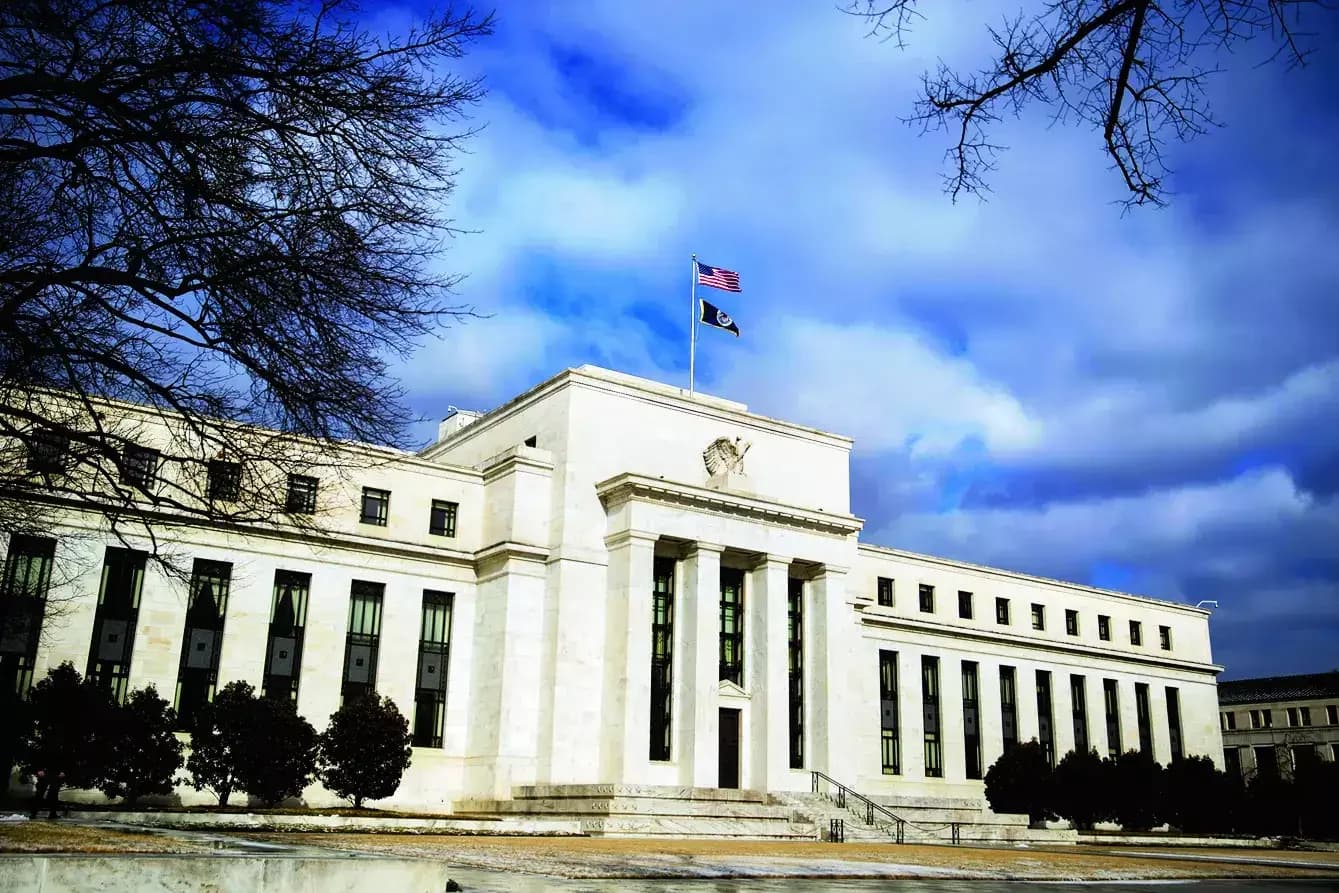
The Federal Reserve's rate-setting committee is experiencing significant internal disagreements about future interest rate policies and inflation management. According to minutes released this week under new Chair Kevin Warsh, 'many' of the Fed's 19 officials said its key rate would be unchanged from or slightly below its current level of 3.6% by the end of this year. However, they also indicated that it would likely be higher by year-end. Forecasts released after the meeting ended June 17 showed that half of the 18 policymakers who submitted projections supported lifting rates by the end of this year, while the other half supported keeping them unchanged or reducing them. Warsh did not submit a forecast, reflecting his view that doing so can lock policymakers into a specific approach that is harder to change if the economy shifts direction. The committee is now split over whether inflation is likely to stay elevated or whether it will cool once the Iran war winds down, as reported by America In Focus.
US home prices have soared to unprecedented levels, creating significant affordability challenges for prospective buyers. According to the National Association of Realtors, existing home sales fell 2.4% last month from May to a seasonally adjusted annual rate of 4.09 million units, falling short of the roughly 4.21 million pace economists were expecting. Despite the lackluster sales performance, home prices continued to rise nationally, with the U.S. median sales price increasing 1.8% in June from a year earlier to $440,600, an all-time high on data going back to 1999. Home prices have risen on an annual basis for 36 months in a row, adding to the affordability challenges facing potential homebuyers. The latest sales tally showed sales rose 2.8% compared with June last year, though this was still below market expectations.
The International Monetary Fund has downgraded its global economic outlook, citing the energy shock caused by the Iran war. The IMF now expects the global economy to expand by a sluggish 3% in 2026, down from 3.5% last year and from the 3.1% it had forecast for this year back in April. The fund expects worldwide growth to rebound to 3.4% next year. For the United States, the IMF expects the economy to grow a solid 2.3% this year, up from 2.1% in 2025 and unchanged from the April forecast. The 21 European countries that share the euro currency are collectively forecast to grow just 0.9% this year, down from 1.4% in 2025, hit hard by higher energy prices. However, the fallout from the conflict is being partially offset by booming investment in and other technologies, as reported by America In Focus.
Global oil demand is expected to decline this year for the first time since 2020, according to the International Energy Agency. The agency expects demand to drop by 1 million barrels per day in 2026 due to higher prices and disruptions to physical supply. Most of the decline has been in Asia, which is heavily reliant on oil shipped through the Strait of Hormuz that has largely been shut down to tanker traffic by the war. In employment news, US applications for jobless aid in the week ending July 4 ticked down by 2,000 to 215,000, with analysts forecasting 220,000 new applications. The Labor Department reported that employers pulled back on hiring in June, adding only 57,000 jobs - less than half the previous month's total.
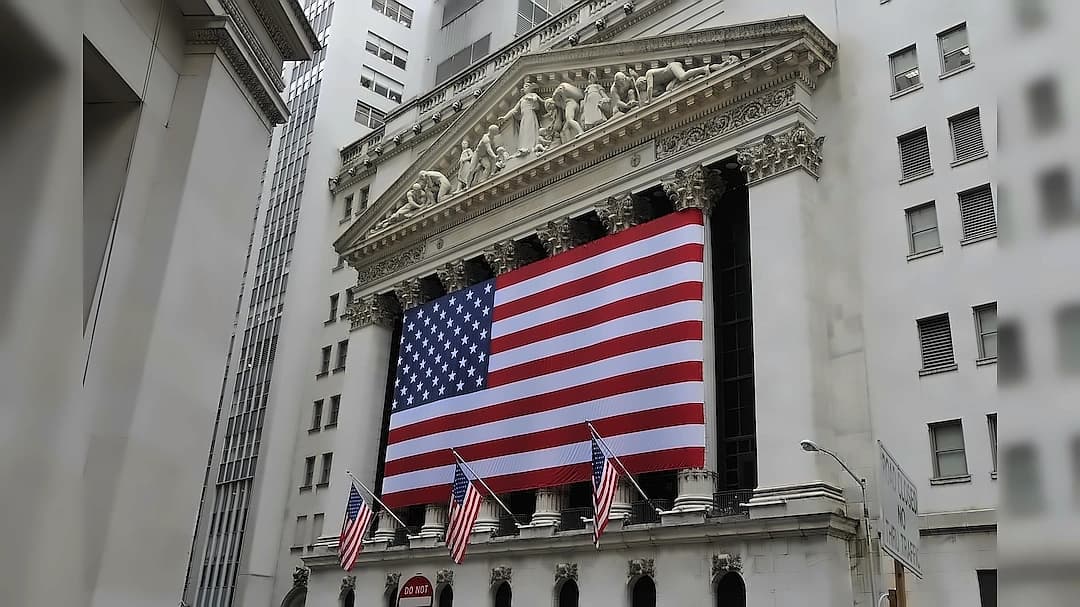
US stocks and oil prices drifted toward a quiet finish following earlier volatility on worries about how the Iran war will affect global crude flow. The S&P 500 rose and was on track to close out a fourth winning week in the last five, while the Dow Jones Industrial Average edged up slightly and the Nasdaq composite was nearly unchanged. Oil prices held relatively steady despite a series of unclaimed airstrikes hitting Iran after the US said it finished its attacks. According to reports from The Economic Times, the economy, inflation and how these forces could impact Americans were front and center over the past week, with trips to the grocery store or gas station becoming more painful than they were last year due to rising costs. The economy, inflation and how those forces could impact the lives of Americans were front and center over the past week, with rising costs impacting the decisions of both households and businesses.