Hui Ka Yan, founder of heavily indebted property giant China Evergrande Group, has admitted guilt to multiple offences during court proceedings. According to the official Xinhua news agency, Hui expressed remorse during the swift two-day trial on 13 and 14 April in the city of Shenzhen. The verdict will be announced at a later stage, as reported by Associated Press. The court proceedings included representatives of those involved in past fundraising, as well as members of China's legislative body, the National People's Congress, demonstrating the significant scale of the case.
Hui Ka Yan, also known as Xu Jiayin, had been taken into custody in September 2023 on suspicion of criminal activity. The court statement revealed that Hui faced accusations including illegal fundraising through public deposits, fraud, corporate bribery, and embezzlement of assets. Additional allegations included illegal lending, misuse of funds, and improper disclosure of key information, among other violations. The court heard that the company had taken millions of dollars in pre-sale funding from potential house buyers that were not used for construction, instead diverting funds to new projects which resulted in hundreds of unfinished properties across China. In 2024, Chinese regulators accused Evergrande's main onshore unit of inflating more than 560 billion yuan (S$104 billion) of revenue by recognising sales in advance, an alleged fraud that dwarfs that of Luckin Coffee and Enron.
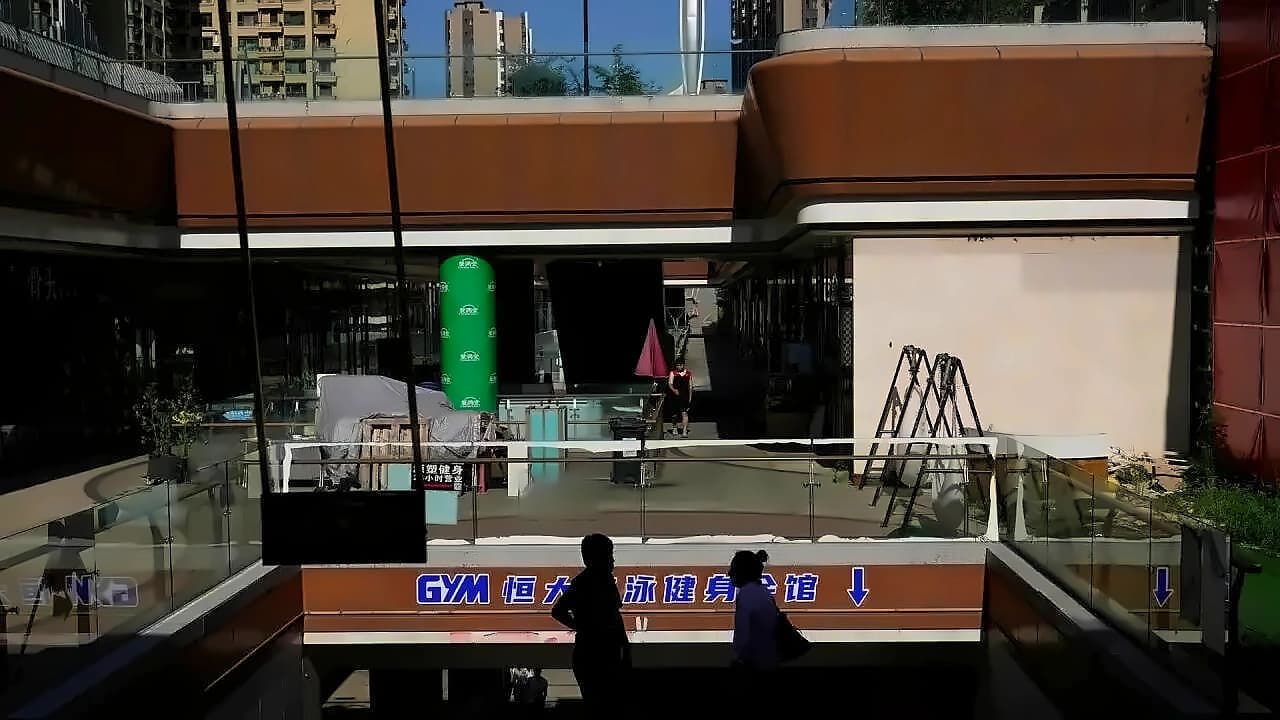
At the time of its collapse, Evergrande was the world's most indebted property developer, with liabilities exceeding USD 300 billion. The company, established in the mid-1990s, held more than 90 per cent of its assets within mainland China. At its peak, Evergrande was China's biggest real estate firm with a stock market valuation of more than $50 billion. The company defaulted in 2021 on most of its $300 billion (roughly €255 billion) in liabilities and billions of dollars of wealth management product payments. At the time of its collapse, the company had around 1,300 projects in the works across 280 cities in China, as reported by Associated Press.
Hui was reportedly held by police in 2023, with China's securities regulator fining him $6.6 million and barring him from the securities market for life in 2024. A Hong Kong court handed down the company a liquidation order in the same year. China Evergrande's shares were removed from the Hong Kong Stock Exchange in 2025 after more than a decade and a half of trading. The company's dramatic decline is emblematic of China's property industry's woes, which have dragged down the world's second-largest economy and rattled financial systems at home and abroad.
Evergrande is one of many developers that defaulted after Chinese authorities moved in 2020 to curb excessive borrowing in the property sector. The company's downfall has often been cited as a trigger for China's persistent property market slump, which spiralled downwards in 2021 and has weighed heavily on the country's economic development. As access to funding dried up, these firms were unable to manage their growing obligations to creditors and homebuyers. The regulatory tightening pushed the property market into turmoil, weighing on the world's second-largest economy and unsettling financial systems both within China and abroad.