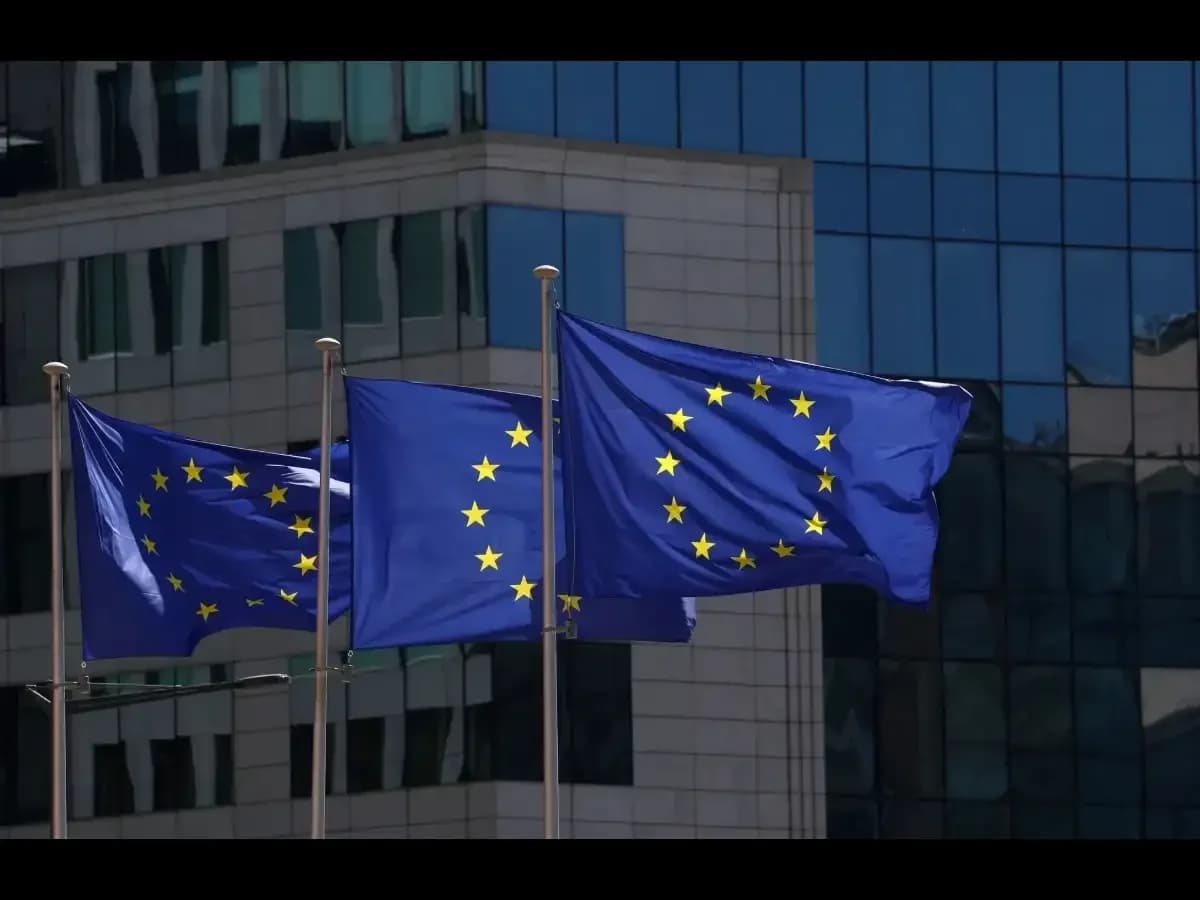
European markets showed minimal movement on Wednesday as investors continued to assess developments in U.S.-Iran negotiations. According to The Economic Times, the pan-European STOXX 600 index edged 0.02% higher to 634.78 points by 0816 GMT, reflecting cautious sentiment among market participants. The muted performance came as investors weighed the potential impact of ongoing diplomatic discussions on regional stability and global oil trade, with the index showing slight improvement from Monday's opening levels.
The aerospace & defence sector experienced significant volatility, with Rheinmetall plunging 13.9%, heading for its biggest single-day drop since October 1998, after reports that Germany is set to scrap plans to build its biggest warship since World War Two. However, rival defence contractor TKMS surged 9.2% as the report indicated Germany intends to buy eight smaller frigates from the rival warship maker. As reported by The Economic Times, the aerospace & defence sector led declines with a 1.3% drop, highlighting the unpredictable nature of defence spending amid ongoing geopolitical tensions.
Tensions between Washington and Tehran have intensified significantly following President Trump's latest threats regarding the Strait of Hormuz. As reported by NDTV Profit, Iranian lawmaker Ebrahim Azizi, chairperson of parliament's National Security Committee, responded to Trump's threats by stating "You make threats; we take action," adding that "the Strait of Hormuz is neither your personal casino nor the backyard of modern-day pirates; these are Iranian sovereign waters." Trump had previously told Fox News that Iran would "not have a country" if it kept the strait closed, and warned that the US could "take over the rest of the country." The escalation follows Iran's announcement over the weekend that it had shut the Strait of Hormuz, citing continued Israeli strikes on Hezbollah in Lebanon as a violation of ceasefire terms.
Brent crude prices have fallen to early-March levels following the peace agreement between the U.S. and Iran, with hopes that tankers stranded in the Strait of Hormuz will move out following the deal. As reported by The Economic Times, the peace agreement has led to a fall in oil prices, though caution prevailed amid disagreement on key terms. The recovery in oil prices comes after Brent crude had declined 1.6% following earlier developments in U.S.-Iran negotiations, with mediators Qatar and Pakistan announcing that Washington and Tehran had agreed on a roadmap for a final deal and measures to safeguard shipping through the Strait of Hormuz.
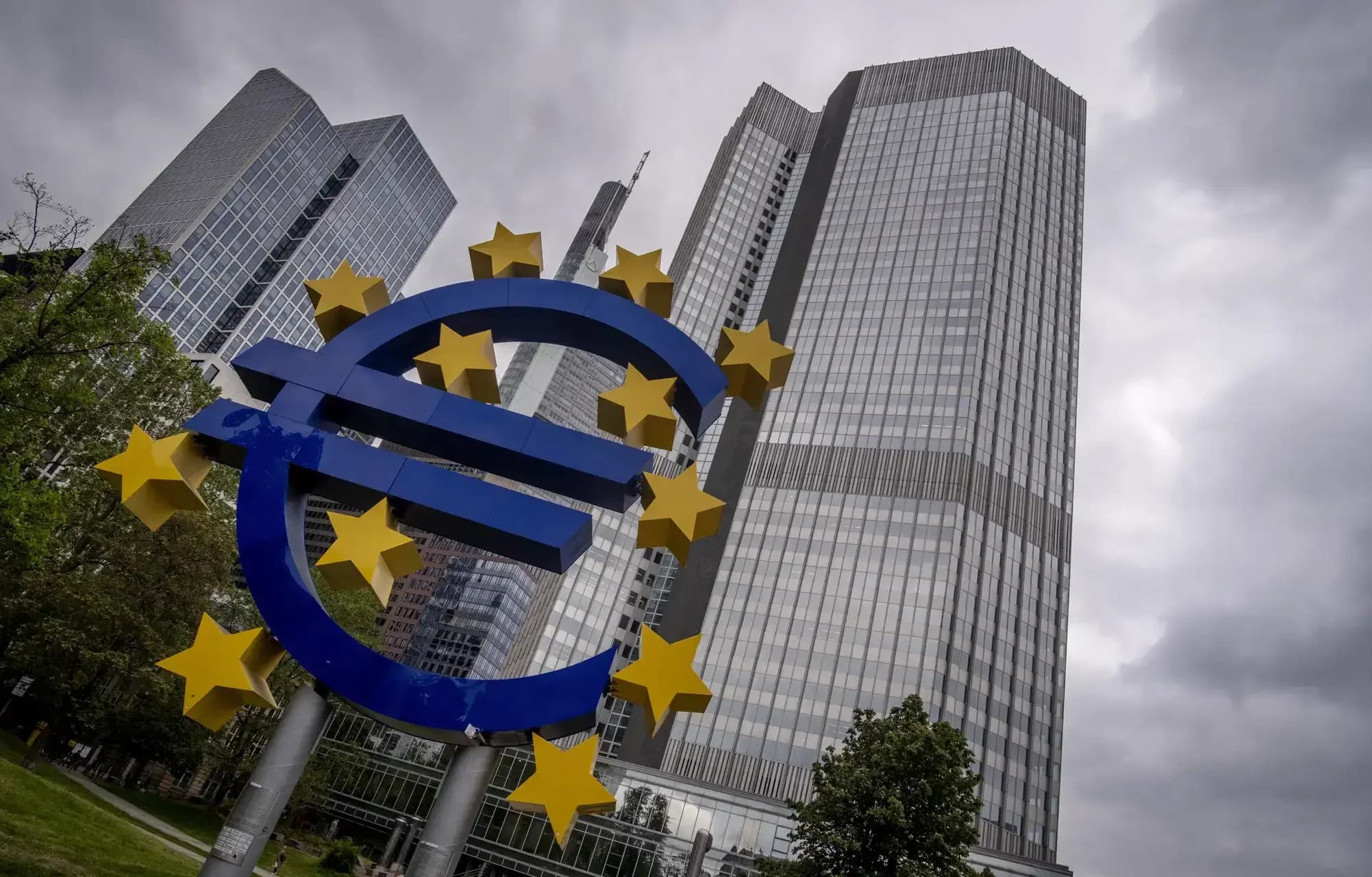
The real estate sector provided support to the overall market performance, rising 2.3% with Segro climbing 14.9% after U.S.-based Prologis took its $16.6 billion bid public as the UK warehouse landlord rejected it. According to The Economic Times, the tech sector also showed resilience, rising 0.5% after posting its biggest single-day drop in nearly five months in the previous session, with chipmaker Infineon gaining 1.4% and chip-equipment suppliers BE Semiconductor and ASML adding 0.9% and 1.4% respectively. Investors are now awaiting Germany's closely watched Ifo business climate survey for fresh clues on Europe's largest economy, while traders monitor expectations for another 25 basis point rate hike by the European Central Bank by year-end.