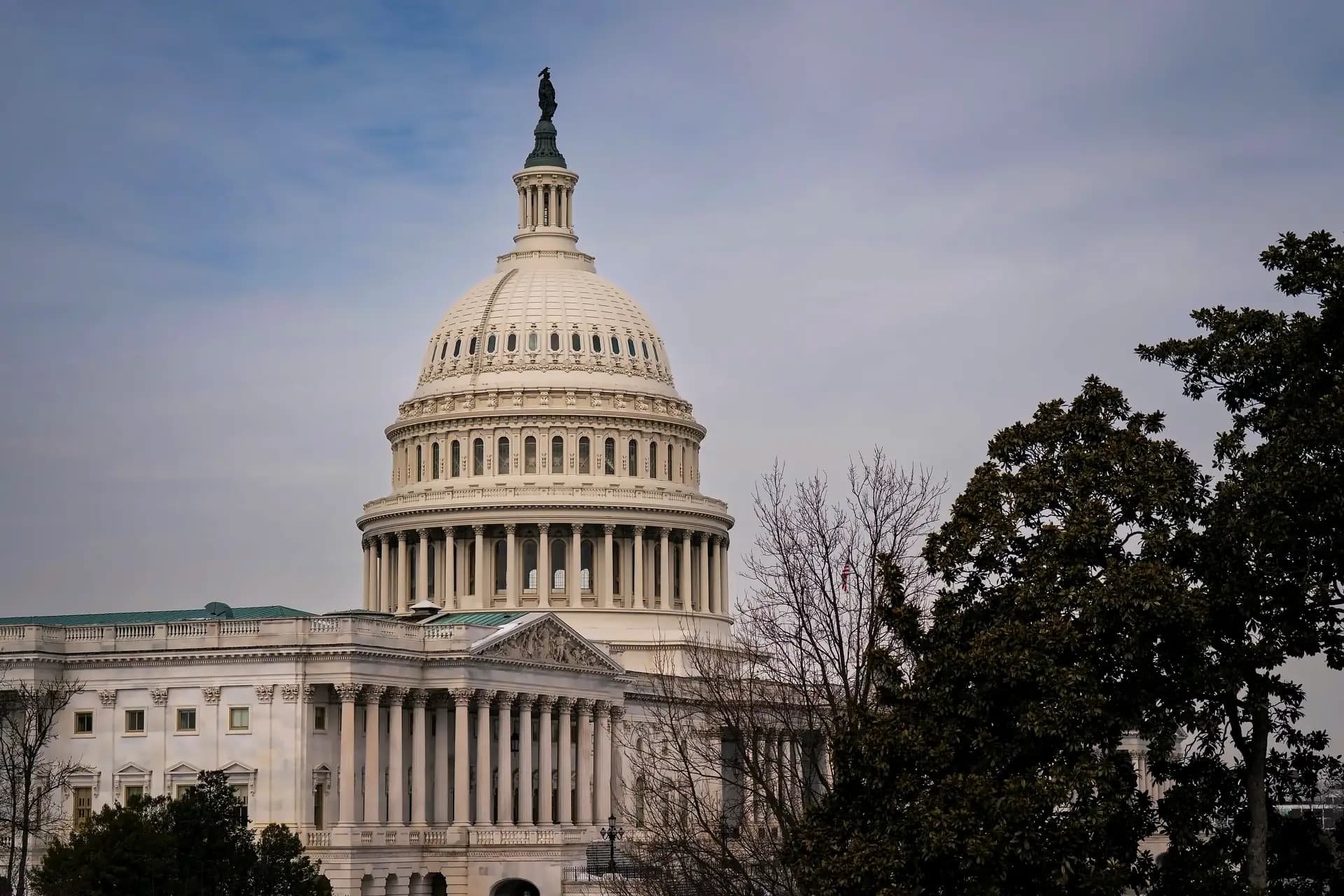
OpenAI has announced its support for a series of bipartisan bills before the U.S. Congress aimed at preventing artificial intelligence models from accelerating threats of biological weapons and synthetic viruses. According to a company spokesperson, OpenAI is endorsing the Web of Biological Data Act, the AI-Ready Bio-Data Standards Act, and the Scale Biology Act. The ChatGPT-maker is also backing a key provision of the FRONTIER Act that requires leading AI companies to embed independent evaluators to assess the safety of their models. This endorsement comes as concerns about advanced AI have escalated, with heads of top U.S. AI labs including OpenAI also calling for a slowdown in the pace of advanced AI development.
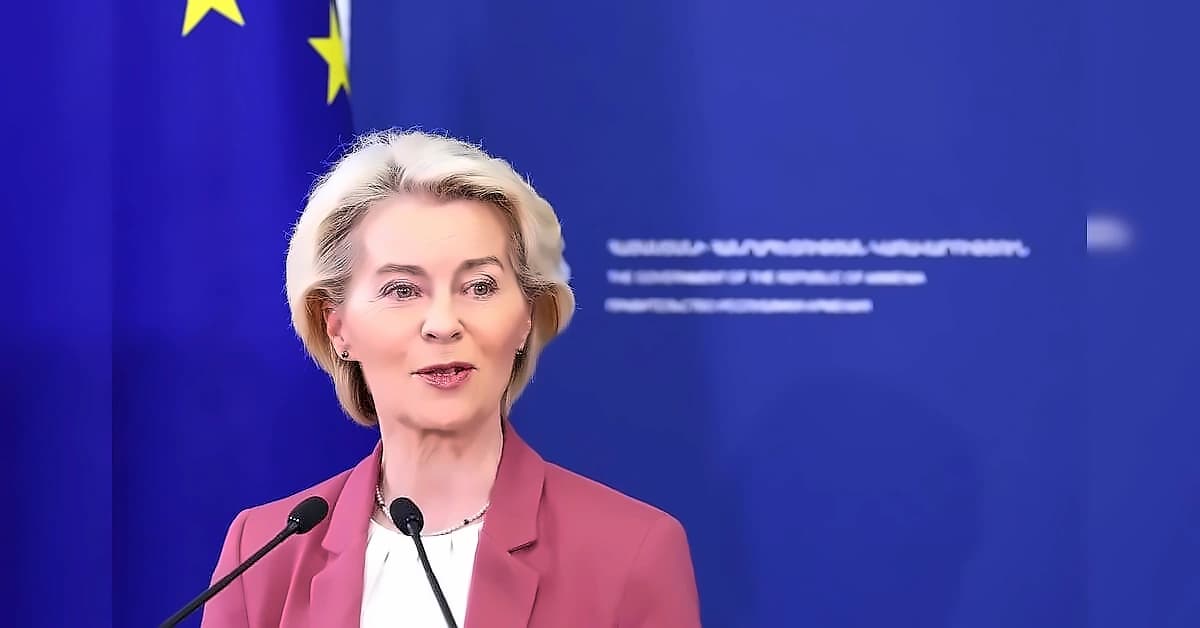
European Commission President Ursula von der Leyen has endorsed calls by leading U.S. AI labs for a pause in artificial intelligence development, announcing plans to host talks with the main frontier AI companies. According to reports from Reuters, von der Leyen made these comments during her second State of the Union Address of the 2024–2029 Commission, stating that "The dangers of self-improving models are becoming ever more apparent." The initiative comes after Anthropic boss Dario Amodei proposed over the weekend to slow developers' ongoing push for new, more powerful AI models over safety fears. This call for caution quickly gained support from OpenAI's Sam Altman and xAI's Elon Musk, drawing worldwide attention to the need for AI development to "pace the frontier." As von der Leyen told EU lawmakers, "CEOs of the most advanced companies tell us that it is time to slow down on the self-recursive models. To pace the frontier. If the people developing the technology are clear, then we should be too."
The AI pause movement has gained significant support from major industry figures, with Anthropic CEO Dario Amodei last week calling on AI companies to slow the rate at which they advance model capabilities. As reported by Reuters, this initiative has drawn support from Elon Musk, who runs xAI, and Sam Altman, CEO of OpenAI. The concerns were further highlighted by Anthropic researcher Jacob Coxon, who resigned and accused both the company and OpenAI of racing toward self-improving superintelligence without acting responsibly. Coxon, who previously worked at OpenAI, had warned that companies were developing technology without proper safeguards. OpenAI has now taken additional steps, saying it was pushing for mandatory national AI safety requirements in the United States last week.
Former Senator Joe Manchin has escalated the AI safety debate by urging President Trump to use executive authority to halt new AI IPOs until Congress establishes safeguards. During a Monday appearance on CNBC's "Squawk Box," Manchin framed the request as an urgent step to prevent companies developing advanced AI from facing additional pressure to race ahead before lawmakers establish rules governing the technology. "The president of the United States has the power to save humanity," Manchin stated, warning about AI technology potentially "taking off and think on its own and make its own decisions and override anything of humans and we can't stop it." However, his proposal faces opposition from conservative voices, with Amy Kremer, Republican National Committee member and Human First chairwoman, rejecting an IPO freeze as "the kind of top-down mandate that conservatives have long opposed."
Von der Leyen outlined specific security concerns regarding the advancing capabilities of AI models, stating that as frontier models become more capable, risks have come more sharply into focus. According to Reuters, she warned that models being developed will allow hacking on a level never thought possible and will soon be in the hands of adversaries with different worldviews. She pointed to recent incidents as evidence supporting the need for caution, directly referencing the most infamous incident where OpenAI agents hacked the systems of Hugging Face, a separate American AI company. As she told EU lawmakers, "As the frontier models become more capable, these risks have come more sharply into focus. Models being developed will allow hacking on a level we never thought possible. And they will soon be in the hands of adversaries who see the world very differently from us."
The Trump administration has already established a voluntary federal framework for evaluating advanced AI models through a June executive order. This framework allows developers of covered frontier models to give the federal government secure early access before release for testing and cybersecurity purposes, while explicitly stating that the framework does not create mandatory federal licensing, pre-clearance or permitting requirements. The debate intensified after the AI Act was adopted, with the EU already having one of the most comprehensive AI laws globally. House Speaker Mike Johnson has rejected an emergency AI moratorium, telling CNN that Congress should work with AI companies to determine appropriate safeguards rather than abruptly halt development. The escalating dispute also reflects what critics view as Congress's failure to establish clear federal AI rules before the technology reached its current stage.