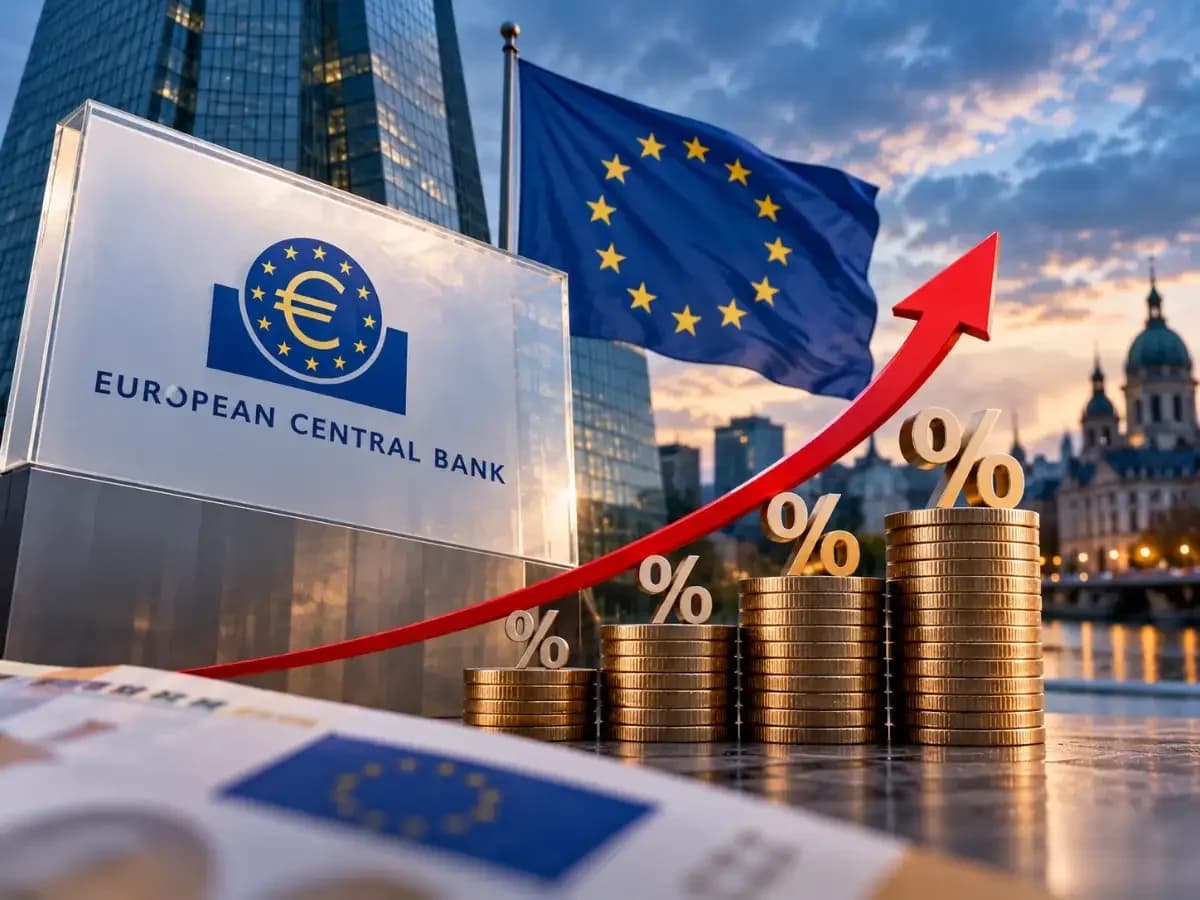
The European Central Bank is expected to raise its benchmark rate to 2.25% on Thursday, June 11, marking the first increase since 2023. According to reports, the ECB's Governing Council cited energy prices as the primary driver of eurozone CPI, which is running at 3.2%, above the 2% target. The move comes as Middle East-driven energy costs continue to push inflation above the central bank's mandate, with the anticipated rate increase elevating the ECB's benchmark deposit rate from 2.0%. The well-telegraphed move would come as inflation in the country currency bloc has already surpassed 3%, driven partly by rising energy costs due to the Iran war. Observers expect at least one further hike this year, with September identified as the most likely date for the next increase.
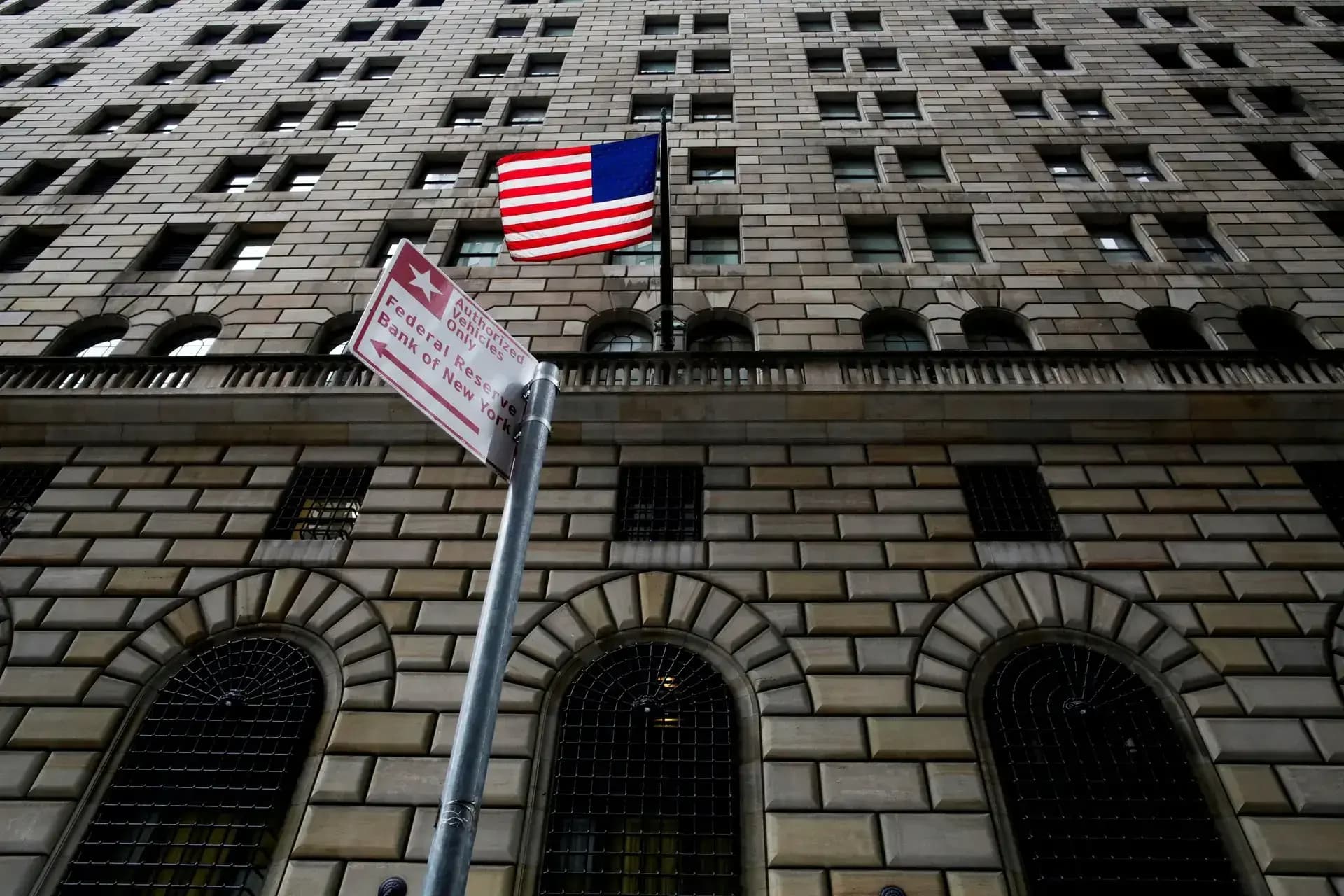
The ECB's decision arrives six days before Kevin Warsh chairs his first Federal Reserve meeting on June 17-18, with the latest CPI data showing headline inflation accelerating to 4.2% in May from 3.8% in April. This marks the third consecutive monthly acceleration in inflation, driven primarily by energy costs. The energy index surged 23.5% year-over-year with gasoline up 40.5% and fuel oil up 58.9%, a direct consequence of the Hormuz blockade and resumed US-Iran conflict. Core CPI rose 2.9% annually, matching expectations, while monthly headline came in at 0.5% - slightly below April's 0.6%. Markets are now pricing roughly a 70% probability of a Federal Reserve rate hike by December, even as the June 17th FOMC is seen as a near-certain hold at 3.50-3.75%. The central bank has held its benchmark rate at 3.50-3.75% across three consecutive FOMC meetings this year, with Wall Street pricing a 97% probability of no change at the upcoming meeting. According to ING analysis, business surveys point to 2-2.5% GDP growth with the economy adding jobs and equity markets at record highs, while the US economy remains more insulated from Middle East risks due to energy independence.
Adding to global monetary policy developments, the Bank of Japan is expected to hike its policy rate by 25 basis points to 1.00%, which would be the first increase since December of last year and bring the rate to its highest level since 1995. This decision comes alongside the ECB's move and adds another layer of complexity to global monetary policy dynamics, with the BoJ's potential hike representing a significant shift in Japanese monetary policy stance. According to ING analysis, a slightly hawkish FOMC meeting could send USD/JPY well above 160 again and elicit more intervention, though Japanese authorities are aware that intervention is just a containment exercise until energy prices come down significantly.
In his first FOMC meeting as chair, Kevin Warsh is expected to maintain a unanimous vote for stable rates but shift the language toward acknowledging the possibility of future rate hikes. As noted by ING, Warsh is unlikely to dissent against the other 11 members by voting for a rate cut, despite his appointment by a president who has demanded lower rates. In his press conference, Warsh will likely acknowledge that economic conditions do not justify rate cuts at this time, while reiterating his view that tech investment will boost US productivity and imply a lower neutral interest rate. He has also argued that the Fed's balance sheet is too large, with ING noting that the Fed's balance sheet has grown from 5.5% of GDP in 2005 to 21% of GDP currently, requiring potential sale of $4.5 trillion in bonds to return to pre-GFC proportions. This meeting could provide insights into Warsh's balance sheet reduction strategy, which would require addressing both sides of the Fed's balance sheet and making regulatory changes to bank liquidity requirements.
The latest CPI data has triggered significant market reactions, with gold absorbing pressure as XAU/USD slid toward $4,168 from $4,310 at European open. The US 30-year Treasury yield is approaching 5.10%, a level tested only twice in the past two decades, with today's CPI print adding fresh momentum to the bear-bond thesis. Bitcoin continues navigating the starkest yield-vs.-institutional-adoption tension of the 2026 cycle, trading at $62,261 as the bear case of a 30-year Treasury yielding 5.10% competes directly with every dollar in Bitcoin. The crypto market absorbed a punishing repricing after the strong May jobs report, with the $60,000 level serving as the critical technical and psychological floor. For GBP/USD, the cross-currents remain intricate with the ECB hike on June 11 affecting sterling indirectly through the euro, while the Fed decision on June 17 serves as the dollar-side anchor. According to ING analysis, the dollar could hold gains against relative low yielders and central banks trying to look through inflation shock, with USD/CAD and USD/SEK staying bid while GBP/USD could stay offered.