EUR/USD has fallen to 1.1524, down 0.48% on the day after shedding more than 0.60% in the previous session, according to Business Standard. The euro's decline comes as its inability to sustain around two-week highs has weighed on the currency. European equities have also started on a tepid note, reflecting broader market concerns about the euro's outlook. The currency's weakness comes despite the European Central Bank's hawkish stance, with the euro failing to rally on what should be supportive monetary policy news.
The European Central Bank raised the key interest rate by 25 basis points to 2.25% last week, marking the first increase since 2023. According to reports from Investing.com India, this decision came as the Middle East conflict has driven up energy prices that are now feeding into core inflation. Eurozone annual inflation climbed to 3.2% in May from 3.0% in April, primarily due to the Middle East conflict's impact on energy costs. Bloomberg reports that ECB policymakers believe the recent US-Iran accord may ease some of the jump in oil prices, but not enough to change the case for further tightening. The tentative U.S.-Iran deal doesn't mean that "pressure to hike has been reduced very significantly," according to JP Morgan economist Greg Fuzesi. ECB Chief Economist Philip Lane reinforced this stance at the Reuters NEXT Europe conference, stating the bank would continue to be "proactive" in its fight against high inflation even after the deal brought down energy prices.
ECB officials are not ruling out further interest rate increases this year, despite the U.S.-Iran peace framework. As reported by Investing.com India, ECB Governing Council member Peter Kazimir stated that "higher energy costs are likely to remain with us longer than many had hoped." Kazimir added that "even with the just-announced US-Iran peace framework, the damage in the Middle East cannot be undone overnight." Reuters reports that ECB Governing Council member Gabriel Makhlouf emphasized that "an end to the conflict does not necessarily mean an immediate end to the shock," noting that "it remains to be seen how quickly supply chains normalise and energy prices adjust." Makhlouf warned that "the direct price pressures might not fade so quickly if the infrastructure damage from the war means production only recovers with a lag." The same Eurosystem staff projections that lifted inflation forecasts also cut eurozone GDP growth to just 0.8% for 2026, 1.2% for 2027, and 1.5% for 2028, painting a picture of a region barely growing while fighting inflation.
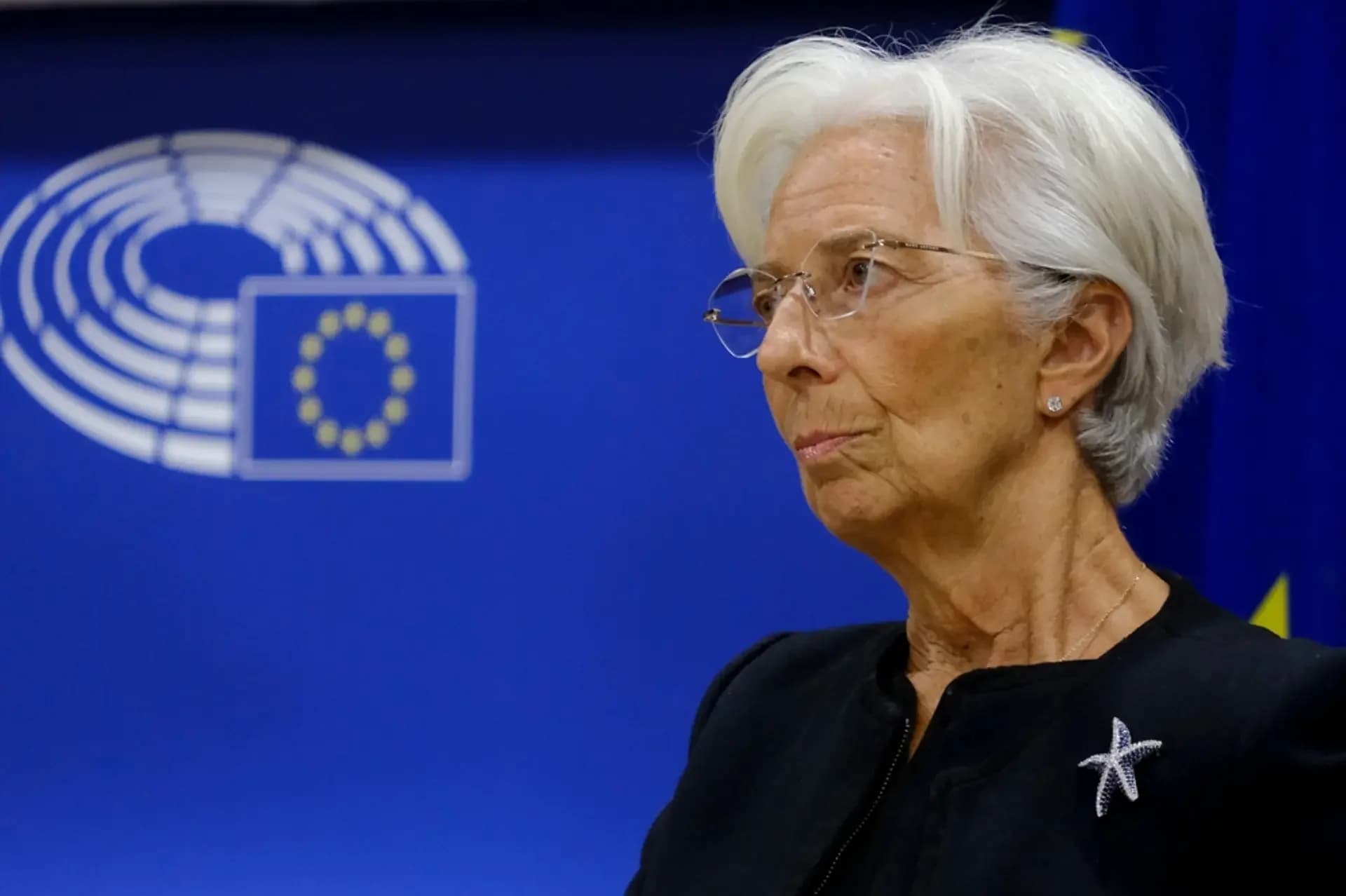
Markets are pricing in at least one additional ECB rate increase this year, with interest-rate futures reflecting the possibility of another 0.25 percentage-point increase in the deposit rate by year-end. According to Bloomberg, Greg Fuzesi, an economist at JPMorgan, expects another hike in September. The energy price shock has created significant inflationary pressures across Europe, with European companies raising selling prices while employees and workers demanding higher pay. ECB Chief Economist Philip Lane noted that four months of elevated energy prices will be reflected in future inflation data, with indirect price pressures potentially lasting into next year. The energy price shock has led to European companies raising selling prices and employees and workers asking for higher pay, which would keep inflation rates elevated and well above the ECB's target of 2%.
The Federal Reserve's Wednesday decision will be crucial for EUR/USD's direction, with the market pricing the central bank to leave rates unchanged at 3.50%-3.75% for the fourth consecutive meeting. As reported by Investing.com, the Fed's dot plot and updated projections will reveal how seriously the committee takes the December hike possibility. US inflation hit 4.2% in May, the highest since April 2023, with the market pricing meaningful odds of at least one Fed hike by December. New Fed Chair Kevin Warsh's debut press conference will be closely watched for signals on how the committee views the oil collapse and its impact on inflation. The forward path for the ECB remains constrained by growth concerns, with the same projections that lifted inflation forecasts cutting eurozone growth outlook sharply. ECB President Christine Lagarde's "robust across scenarios" framing signals the Council views further tightening as possible without pre-committing to a specific path, leaving room for additional hikes if conditions warrant.