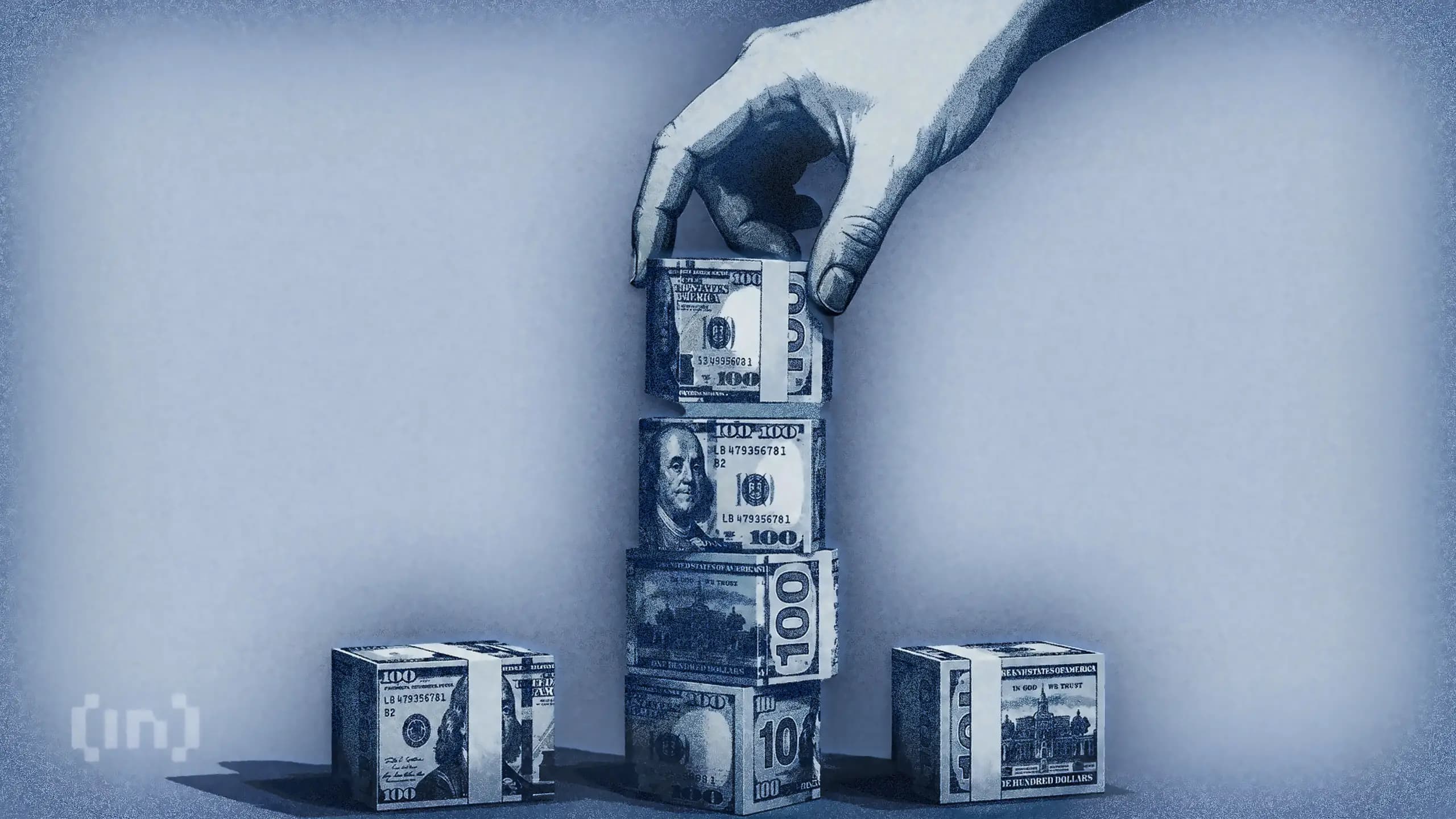
The tech-heavy Nasdaq 100 is set to lose over $2 trillion in market value this month as Big Tech earnings intensified investor scrutiny of whether the billions being poured into artificial intelligence can generate returns quickly enough. According to The Times of India, the wipeout would amount to slightly more than SpaceX's entire market value, with the index falling over 5.8% so far in October as the AI trade ran into turbulence. The latest developments show the selloff intensifying, with the Nasdaq 100 sinking 3.5% and briefly crossing the threshold of a technical correction. As per Reuters, the S&P 500 tech sector was on track for its largest monthly percentage loss since March 2025, and communication services looked to be headed for its biggest monthly drop since April 2022.
Major US tech firms are generating record cash flows but their growing AI spending is leaving less money for shareholders. According to Reuters, the five major tech companies returned just 9.3% of their cash to investors through dividends and share buybacks during the first nine months of 2026, down from 27.4% in the same period last year. Their combined operating cash flow rose 29% year-on-year to a record $542.9 billion, but capital spending doubled to $556.9 billion, marking the first time since 2011 that spending exceeded cash generation. The companies reported a combined free cash flow deficit of $14 billion, compared with a surplus of $143.5 billion a year earlier. Share buybacks took the biggest hit, with the five companies reducing repurchases by 83% to $13.6 billion from $81.8 billion a year earlier, while dividends increased to $37 billion from $33.9 billion during the same period.
Alphabet shares lost nearly 13% during the week after its quarterly results disappointed investors, with the company reporting $9.1 billion in negative free cash flow as AI infrastructure spending accelerated. The company's core search advertising business also missed expectations, raising investor concerns about how quickly Google's enormous AI investments will generate enough cash to justify their cost. Amazon faces a similar problem, reporting negative free cash flow of $42.4 billion over the preceding 12 months despite AWS cloud revenue growing 39%. The company expects capital expenditure of approximately $220 billion this year, with even more spending anticipated in 2027. Intel's collapse had more immediate causes, with an explosion at its Israeli manufacturing facility causing an estimated $600 million revenue impact over two quarters and rising memory prices weakening PC demand.
The core businesses of America's tech giants are starting to show signs of slowing, raising concerns about the sustainability of the AI investment boom. Reddit lost more than 36% over the week after warning that Google's AI-generated search answers were reducing traffic to its platform. Enterprise software companies suffered their own selloff, with ServiceNow falling approximately 34% for the week following disappointing earnings and a weaker backlog-growth outlook, while Cybersecurity company Fortinet lost around 24% after cutting its services-revenue forecast. As noted by Miller Tabak's Matt Maley, "The revelation that these hyperscalers are seeing a slowdown in their core businesses means that the big payoff that everyone has been saying will come eventually is getting pushed even further down the road." While AI demand remains robust, there's a rising risk of mid-cycle capital expenditures indigestion, according to UBS Chief Investment Office's Ulrike Hoffmann-Burchardi.
Recent trading data shows mixed signals regarding the potential AI selloff scenario, with Friday's session reinforcing earlier concerns. The dollar index, which tracks the US currency against six others, edged lower by 0.02% at 101.86, continuing its decline despite rising 0.39% in October, up for a second straight month. The euro has found some support from the pressure that the AI-led selloff has put on the dollar, though Barclays currency strategist Lefteris Farmakis warns that euro zone economic growth lagging that of the United States may soon dissipate this strength. Nasdaq futures tumbled nearly 800 points, or 2.7% on Friday, highlighting the continued pressure on technology stocks. However, Microsoft and SpaceX broke from the gloom with results that showed AI spending starting to pay off, with Microsoft forecasting strong cloud growth and Meta offering better-than-expected revenue growth. The Nasdaq-100 closed near 28,385, below its approximately 29,800-point 50-day moving average, with its 200-day average near 27,900 being the next important level to watch.