China's economy delivered a 5% year-on-year growth in the first quarter, marking the fastest expansion in three quarters and aligning with the upper end of Beijing's annual target range of 4.5% to 5%. As reported by The Times of India, this performance slightly exceeded market expectations of 4.8% and was driven primarily by robust manufacturing and export activities. The growth momentum was further supported by strong sequential performance, with GDP recording 1.3% quarter-on-quarter growth on a seasonally adjusted non-annualised basis, representing the quickest sequential expansion since the final quarter of 2024. According to Bloomberg, this upside surprise prompted Deutsche Bank AG and Barclays Plc to upgrade their forecasts for real growth in China's GDP this year to 4.9% and 4.6% respectively. The data suggests that China has, for now, managed to cushion the immediate impact of global instability, despite analysts having anticipated a more subdued expansion given external pressures on trade and rising input costs. The strong start to this year has raised expectations for achieving the annual growth target of 4.5% to 5.0%, though economists warn it is too early to conclude China is out of its economic slump.
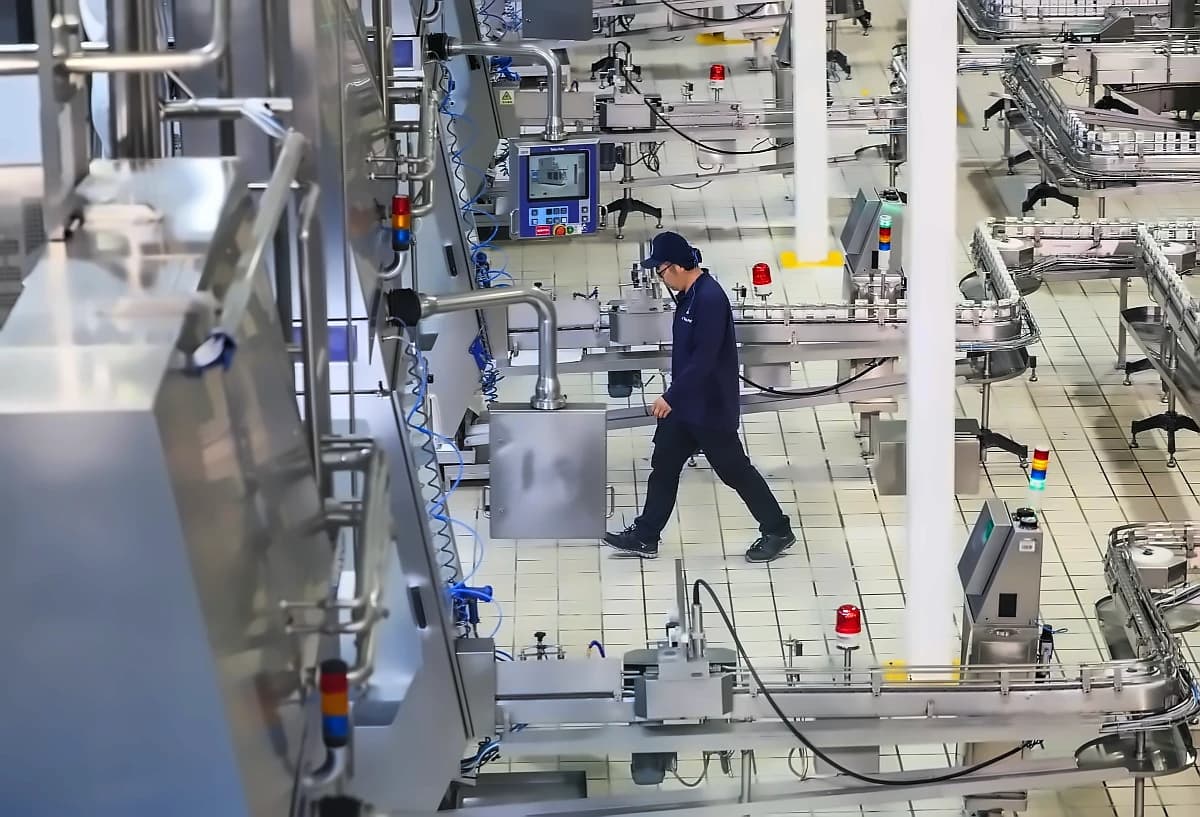
Industrial output emerged as a key growth driver, expanding 6.1% year-on-year in the first quarter and surpassing market forecasts. According to The Times of India, this strong industrial performance highlighted the divergence between different sectors of the economy. The manufacturing sector's robust performance contributed significantly to the overall GDP growth, demonstrating China's continued strength in industrial production despite broader economic challenges. Bloomberg reports that high-tech output expanded 12.5% in the first quarter, much faster than the 6.4% gain in manufacturing as a whole, with industrial robots and integrated circuits surging 33% and 24% respectively. Overall, manufacturing contributed nearly a third of economic growth in the quarter, according to Mao Shengyong, deputy commissioner at the NBS. Rapid growth in the technology sector, in particular, drove exports and industrial production, with China's first-quarter exports climbing 15% from a year earlier. Despite external challenges, internal factors have played a key role in sustaining economic activity, with increased infrastructure spending, policy support for key industries, and efforts to boost consumer confidence contributing to steady expansion.

Despite the overall economic rebound, consumer spending showed concerning trends with retail sales growing only 1.7% year-on-year in March, falling short of the 2.4% forecast and weakening from the 2.8% expansion recorded in January and February. As reported by The Times of India, this represented a decline from the 2.8% expansion recorded in the first two months of the year. According to Bloomberg, a major drag on retail sales came from purchases of cars, furniture and home appliances, which led declines in March by dropping 12%, 9% and 5% respectively. This reflected a diminishing impact of the government's trade-in subsidies, a program that was scaled back for cars this year. The surveyed urban jobless rate unexpectedly climbed in March to 5.4%, the highest in a year, while household spending per capita only grew 2.6% in price-adjusted terms, its worst pace of year-to-date expansion since the final quarter of 2022. Services sectors such as retail and hospitality continued to stabilise, though manufacturing output showed signs of recovery. The high contribution of domestic demand to China's economy is also a factor that amplifies risks, with domestic demand contributing 84.7% to first-quarter economic growth, up 30 percentage points from a year earlier.
The Iranian conflict continues to pose significant challenges to China's economic recovery, with rising energy prices threatening the country's trade balance and global demand. According to The Times of India, the conflict is driving up energy prices and impacting global demand, creating additional layers of economic uncertainty for policymakers. As reported by Bloomberg, with input costs soaring beyond control, Chinese businesses face intense pressure as energy and transportation expenses climb. This adds to the existing challenges of rising energy costs eroding consumer purchasing power, making it increasingly difficult for policymakers to balance reflation strategies while boosting domestic consumption. The National Bureau of Statistics noted that "the external environment is becoming more complex and volatile, while domestically, the imbalance of strong supply and weak demand remains pronounced." Analysts warn that weakness in the private sector is affecting rising unemployment, and given the significant role of the private sector in job creation, this could trigger targeted stimulus measures. The property market's continued decline amplifies risks to China's economic growth trajectory, as the high contribution of domestic demand to overall economic expansion makes it particularly vulnerable to domestic consumption trends.