As markets scale record highs, Warren Buffett made a historic $373 billion cash move in the months leading up to his retirement on December 31, 2025, when he handed the reins to Greg Abel. According to latest reports, Berkshire's cash pile swelled to roughly $373 billion, much of it parked in short-term U.S. Treasury securities, representing a dramatic shift from his typical stock market approach. This aggressive reduction in stock holdings and accumulation of cash stands out for a man known for staying the course in the stock market. The Shiller CAPE ratio, an indicator of stock values, is at about 41 today, historically averaging around 17 for the S&P 500, indicating significant overvaluation that Buffett appears to be responding to. Buffett's famous 'never lose money' investing rule is now going viral among investors worldwide as market concerns grow again, with the legendary investor's timeless advice gaining renewed relevance in today's overheated market conditions.
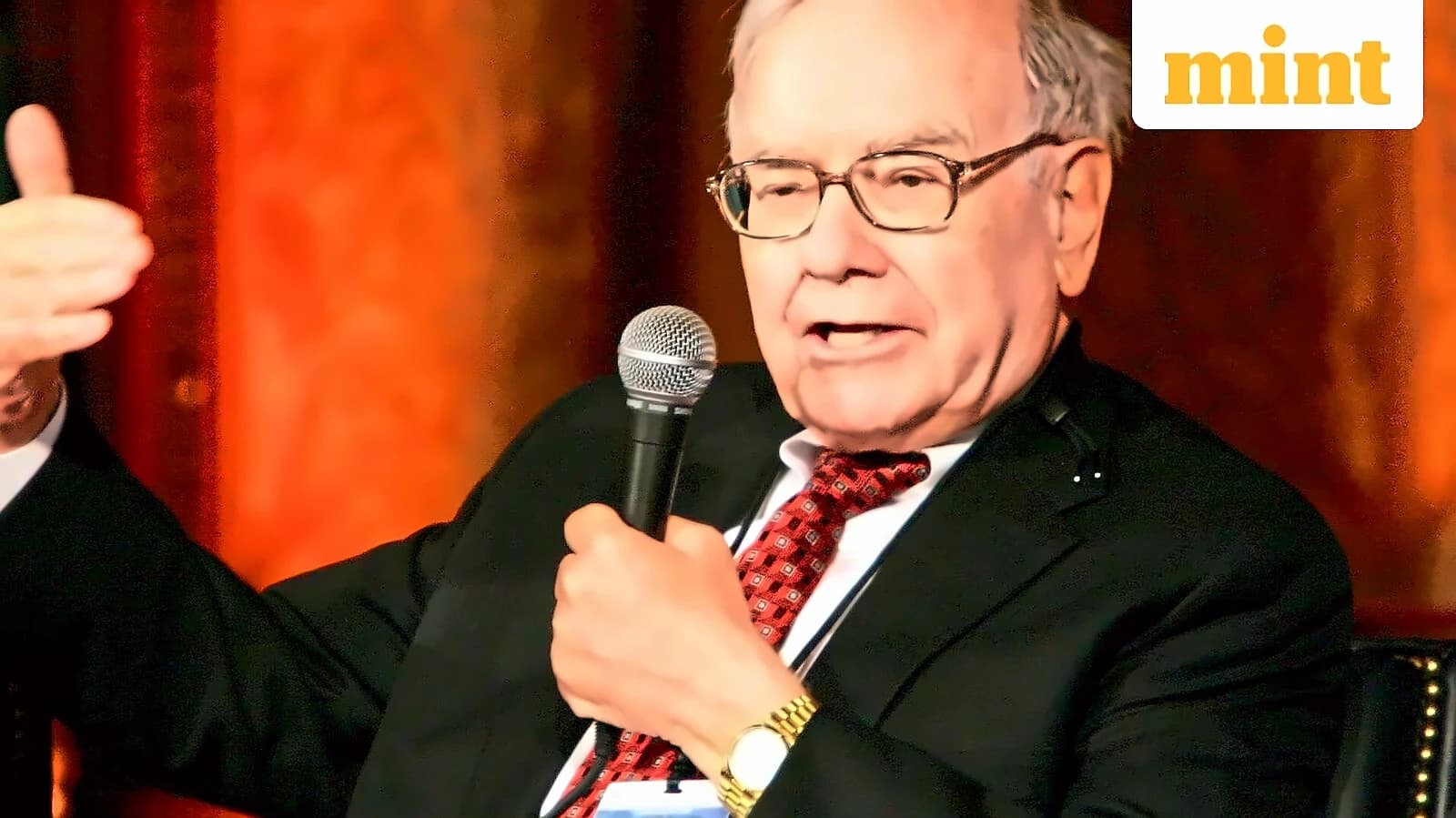
As markets scale record highs, Warren Buffett warned investors against turning 'investing into gambling' at the sidelines of Berkshire's annual shareholder meeting. According to reports from Mint, Buffett stated 'We've never had people in a more gambling mood than now' despite ongoing geopolitical and economic uncertainty. The S&P 500 has risen for six straight weeks and is hovering near an all-time high, providing context to his 1986 letter to shareholders where he described fear and greed as 'super-contagious diseases' that cause markets to misprice securities. Buffett's famous 'never lose money' investing rule is now going viral among investors worldwide as market concerns grow again, with the legendary investor's timeless advice gaining renewed relevance in today's overheated market conditions.
Marc Rowan, billionaire founder of Apollo Global Management, now sees as much as a 35% chance of a major market correction driven by inflation, tariffs, or geopolitical shocks. According to recent reports, his firm Apollo Global Management just reported over $1 trillion in assets under management (AUM) for the first time, yet Rowan says he is preparing for a serious downturn. The longtime fund manager responsible for building Apollo Global into the behemoth it is today says that at no point in his 40-year career on Wall Street has he been more concerned about these outside factors. Buffett's pre-retirement portfolio shift isn't the first time he's pulled back from the market, with similar moves occurring in 1969 and 1999-2000. In 1969, Buffett dissolved his investment partnership, citing a lack of attractive opportunities and an overheated market, returning capital to investors instead of sinking it into overpriced investments.
Despite recent underperformance with Berkshire's stock down 5.3% over the past year while the S&P 500 is up 25.7%, the company has demonstrated remarkable resilience during market downturns. During the most dramatic crashes of the past three decades, Berkshire outperformed the market with its equity investments and its portfolio of insurance companies and other wide-moat businesses. In 2000, as speculative tech stocks imploded, Berkshire actually gained almost 27% while the broader market crashed. Similarly, in 2008, Berkshire took a beating but still managed to beat the market, using the opportunity to strike lucrative deals with companies desperate for capital. Every calendar year since 2000 in which the S&P 500 finished in the red, Berkshire Hathaway has outperformed it, by an average of 18 percentage points. With nearly $400 billion in cash and short-term treasuries on the books, Berkshire is ready to play serious offense if markets turn south.
Given current market conditions, all investors can benefit from a healthy dose of caution, with experts suggesting it's a good time to assess portfolios and consider rebalancing when stocks are up to have more options. The fact that part of Buffett's exit strategy involved hoarding cash indicates that the investing legend just didn't see a lot of value in today's market. While many investors wonder if Greg Abel, who took over from Buffett on January 1, can fill Buffett's shoes, the market's recent performance suggests the transition may be smoother than anticipated. The proliferation of prediction markets has amplified gambling behavior, with investors increasingly using these platforms for speculative purposes rather than legitimate forecasting, adding to Buffett's concerns about market overvaluation.