The bond market selloff has intensified significantly with Treasury long bond yields jumping 18 basis points this week to 5.12%, surpassing the October 2023 gilt crisis spike to reach the highest level since July 2007. This global bond rout has created unprecedented pressure on equity markets, with the iShares Emerging Market Equities ETF dropping 4.2% this week - the largest decline since the start of the war. The selloff reflects mounting concerns about inflation risks and rising yields affecting AI capital expenditure financing and consumer wealth, as noted by market analysts. Recent developments show China selling Treasuries at rates unseen since 2008, with the resulting pressure threatening the dollar's purchasing power and potentially forcing the Federal Reserve into controversial debt monetization.
Investors are fervently chasing the hot rally in tech and AI stocks while acknowledging that rising yields threaten to knock equities off course. According to Bloomberg News interviews with 32 investment managers across the US, Asia and Europe, including at Wells Fargo Investment Institute, Amundi SA and BMO Global Asset Management, the assessments were overwhelmingly bullish. 80% of these buy-side professionals expect equities to outperform other asset classes such as commodities or bonds over the next three to six months, with the top investment choice being megacap tech and artificial intelligence stocks. However, the latest bond market developments have intensified these concerns, with big tech stocks traditionally being sensitive to inflation risk and rising market yields.
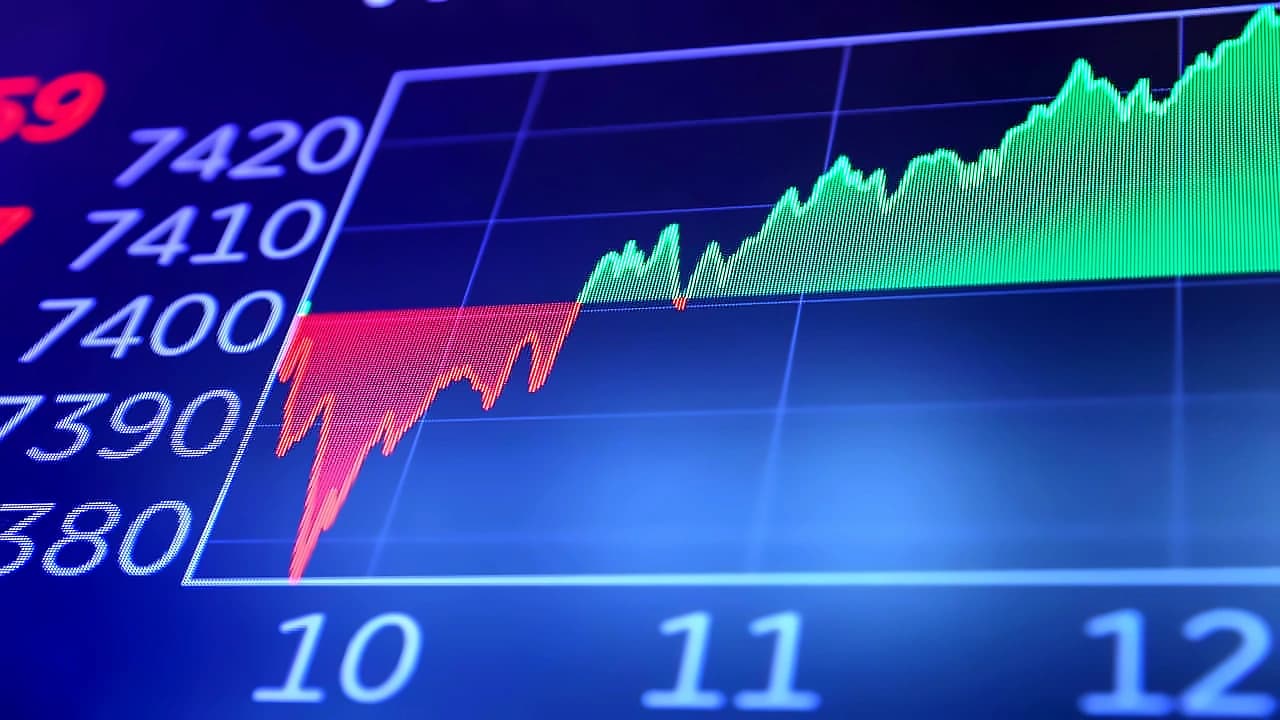
The rally displays extreme concentration with just four stocks responsible for more than half of the S&P 500's gains this year. As reported by Bloomberg, the SOX currently trades at more than 25 times forward earnings, well above its average of 19 over the past decade. Raphael Thuin, head of capital market strategies at Tikehau in Paris, noted opportunities in hyperscalers leading AI build-out and generating tangible returns on investments. Tech-heavy indexes like the Nasdaq 100 and Philadelphia Semiconductor Index hit repeated records in a sharp rebound from Iran-war lows, though the latest bond market volatility has created additional uncertainty for these high-valuation stocks.
Despite concerns about rising yields, the rally is supported by exceptional earnings performance. According to Bloomberg, earnings per share for S&P 500 members have climbed more than 27% in the first quarter from a year earlier, more than double analyst expectations. This represents the strongest growth rate since 2004, outside of recoveries from major shocks. European results also surpassed projections with 7.5% annual improvement, though more modestly. The strong performance has raised the bar significantly for the rest of the year, with any missteps likely to be punished as the market navigates the current bond market volatility.
The bond market stress has culminated in a dramatic Kospi flash crash from record highs above 8,000 to close at 7,493, representing a 6% intraday decline that analysts describe as a textbook "blow-off top" reversal signal. The sell-off was driven by extreme concentration in AI semiconductor names, with Samsung Electronics and SK Hynix together representing a disproportionate share of the index. The Kosdaq fell over 5% simultaneously, confirming this was a systematic de-risk from AI and semiconductor exposure rather than an isolated stock event. South Korea's exposure to both US and Chinese trade policy makes it uniquely vulnerable to summit uncertainty, with any escalation of US–China tech export restrictions directly impacting Korean HBM chipmakers who supply both US hyperscalers and Chinese AI companies.