Bond markets experienced unprecedented convulsions on Tuesday, with 30-year U.S. Treasury yields reaching 5.18%, marking the highest level since 2007 during the lead-up to the global financial crisis. According to Bloomberg, this surge represents a critical escalation from previous levels, with Treasury yields reaching multi-year highs that had already created uncertainty across global markets. 30-year bond yields in Canada, Germany, France, Spain, Portugal, the Netherlands and Switzerland all traded at their 12-month high on Tuesday, indicating widespread global bond market pressure. The MSCI Asia Pacific Index is now set for a fourth consecutive day of declines as rising bond yields worldwide cast doubt on market valuations.
The bond market convulsion stems from increasingly anxious investors about rising inflation caused by the ongoing monthslong conflict in the Middle East. As reported by Bloomberg, despite a cease-fire between the United States and Iran, efforts to find a lasting peace deal have stalled, keeping tensions elevated. The rising rates, which are pushing up borrowing costs for governments, homeowners and businesses, could be a critical pressure point for the Trump administration as it continues to pursue its campaign against Iran, which has pushed up oil prices worldwide. According to CNBC TV18, US two-year yields were around 3.6% at the start of the year and are now at 4.1%, clearly indicating the risk is for tighter Fed policy rather than easing, which was the consensus earlier this year. This represents the last time President Trump faced such turmoil in the Treasury market since announcing tariff increases on nearly every U.S. trading partner in April last year, with steepening rates cited as a primary reason for backing down from many draconian proposals.
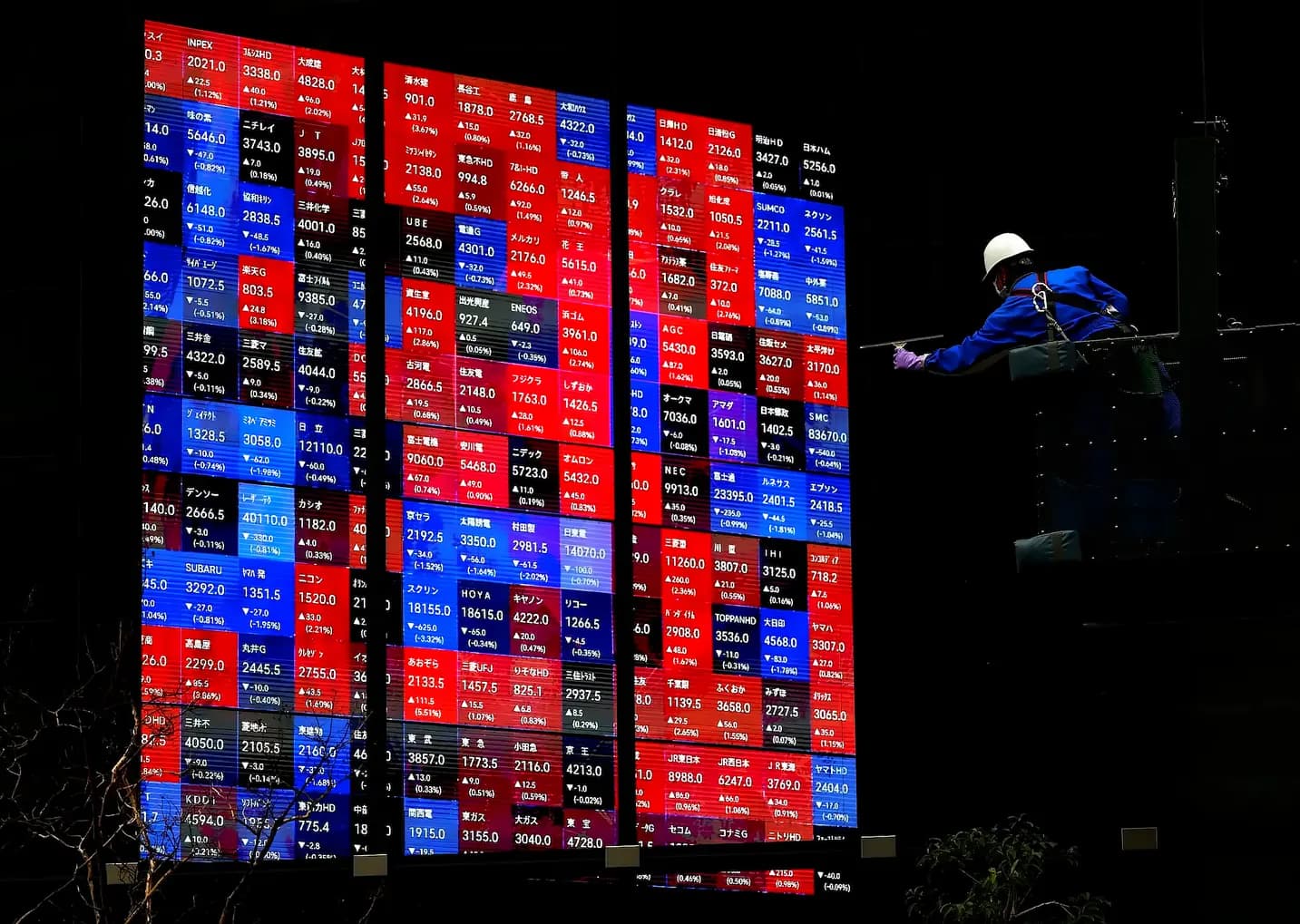
Asian markets experienced significant declines as Treasury yields reached multi-year highs, with the 10-year benchmark surpassing 4.65% and the 30-year benchmark approaching 5.20%. According to reports from CNBC TV18, this surge in bond yields has created uncertainty across global markets, with South Korea, Japan, and Australia all posting lower shares. The MSCI Asia Pacific Index is now set for a fourth consecutive day of declines as rising bond yields worldwide cast doubt on market valuations. Early Asian trading saw a little decline in US equity-index futures, suggesting continued market uncertainty ahead of key earnings announcements. Market strategist Adrian Mowat from Hong Kong warns that tighter monetary policy and higher discount rates could pressure earnings and valuations, while emerging markets face additional stress from currency weakness, higher energy costs and pressure on consumers.
Market analysts are expressing growing caution about global equity markets amid the bond yield surge. As reported by CNBC TV18, Adrian Mowat believes markets are already showing signs of strain beneath the surface, even as headline indices remain elevated. The Merrill Lynch Option Volatility Estimate (MOVE) Index is moving higher quite quickly, though not yet at the peak seen at the start of the Iran war. The equally weighted S&P has not made new highs recently, and the market has become narrower since the start of the Iran war, with the average semiconductor stock up around 25% while consumer discretionary stocks are down roughly 13%. Mowat expects the US market could retest its late March-early April lows and suggests that holding cash yielding around 3.75% is better than holding assets that are losing value when the risk-reward environment deteriorates.
India is experiencing significant challenges from the global bond market turmoil, with the rupee having weakened sharply and yields moving higher. According to CNBC TV18, there is arguably a technical buffer because positioning among international investors in India is already weak, but Mowat does not see a near-term change in the challenging fundamentals. The challenges include a deteriorating current account position and real pressure on the Indian consumer because of rising prices. Agricultural prices have not yet fully reflected the impact of the Strait of Hormuz situation, with the real concern being for crops later in the year when farmers may struggle with diesel and fertiliser costs. Mowat warns that pressure on emerging market consumers, who are more vulnerable to energy and food inflation, increases as the year progresses unless there is a resolution to the Strait of Hormuz closure.