A recent technology selloff has exposed the machinery of modern speculation, revealing how rapidly leveraged investment products can amplify both market rallies and reversals. According to reports from The Economic Times, retail investors' enthusiasm for leveraged products tied to AI chips and SpaceX has led to rapid gains and equally swift losses. These products, designed for faster, more concentrated bets, are increasingly shaping market dynamics and bringing a casino-like element to trading.
The most dramatic example of AI-driven market volatility came with Alphabet's $270 billion market value loss in a single trading session on June 2026. As reported by multiple sources, the sell-off was driven by mounting concerns about Alphabet's competitive positioning against OpenAI and Anthropic, sending the company's shares tumbling approximately 7%. The damage wasn't contained to US markets, with Asian semiconductor giants Samsung and SK Hynix also taking significant hits as the sell-off rippled across time zones. The Nasdaq Composite and Philadelphia Semiconductor Index both posted multi-percent declines in the same session. What spooked investors wasn't just competition from well-funded startups, but the specter of AI talent departures from Alphabet, a concern that goes beyond quarterly earnings and touches the company's long-term ability to compete.
The speculation machine has grown significantly, with leveraged ETFs now overseeing more than $270 billion in assets globally. As reported by The Economic Times, the US accounts for more than $200 billion while Asia exceeds $45 billion. These funds use derivatives to deliver multiples of an asset's daily return, creating a mechanism for forced buying and selling that can potentially influence broader market trading. Barclays estimates that rebalancing by US leveraged ETFs has recently surged to several times its long-term average. Wall Street estimates that corporate debt and capital expenditures tied to AI infrastructure have been trending around $270 billion — roughly equal to the total market cap loss Alphabet suffered in one day.
The speculation trend extended beyond AI to other sectors, with SpaceX providing another illustration of the leveraged product phenomenon. As reported by The Economic Times, leveraged funds tied to the rocket company have attracted nearly $1 billion since launching earlier this month, even as the bullish products have tumbled about 40% from their debut. Meanwhile, Michael Saylor's Strategy Inc. rattled crypto markets as one of the industry's biggest financial-engineering machines for Bitcoin exposure came under pressure, with bullish and bearish leveraged ETFs tied to Strategy losing more than 90% since inception despite attracting billions of dollars. Notably, no specific crypto tokens were directly implicated in the equity downturn, breaking the recent pattern of AI-themed tokens moving in lockstep with AI equities.
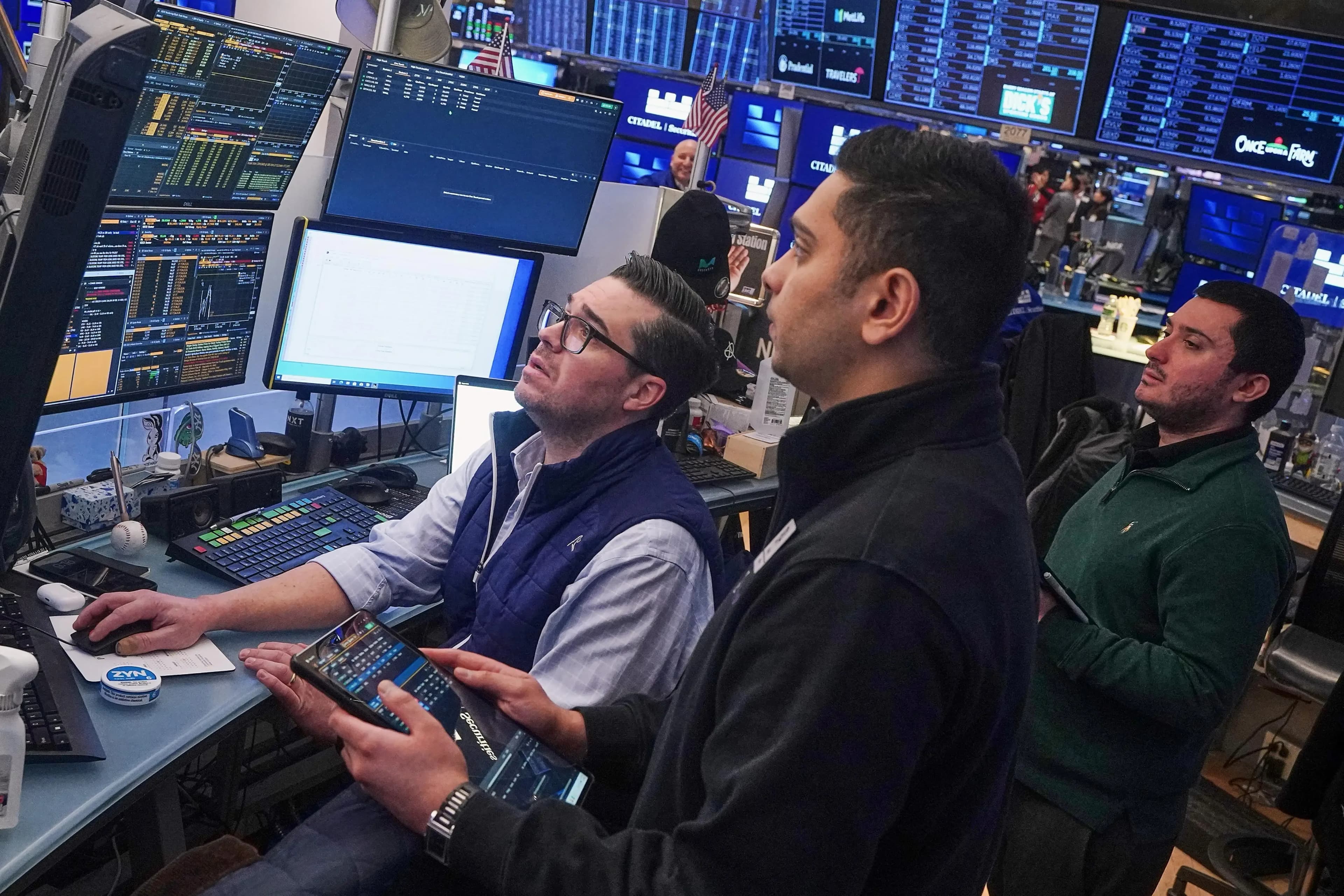
The speculation machine's influence was evident in broader market movements, with benchmark indexes suffering losses as the S&P 500 fell nearly 2% while the Nasdaq 100 tumbled more than 4%. According to The Economic Times, Christopher Getter from Simplify Asset Management warns that the growing menu of speculative funds can make it easier to bet on complex companies without fully understanding them. James St. Aubin from Ocean Park Asset Management notes that these products bring a casino element into the market, with the niche audience growing rapidly based on recent flow data. The $270 billion question isn't whether AI will be transformative - the question is whether the current pace of spending, and the valuations built on top of it, can survive a market that's starting to demand receipts instead of promises.