Zerodha co-founder Nikhil Kamath has issued a stark warning about rising wealth inequality, cautioning that concentrated gains and idle capital could deepen inequality and fuel tensions without purposeful redistribution. In a recent social media post on X platform, Kamath said his own views on money had changed since the growth of Zerodha, contrasting his earlier personal goal of accumulating around ₹5 crore and retiring with what he described as a growing unease over the concentration of wealth and opportunity. 'After the Zerodha journey, I find myself on a very different side of that equation, and the dark inequalities of wealth and opportunity are harder to ignore than ever,' Kamath wrote, emphasizing that wealth that remains parked in compounding financial assets does little for society and should be put to more productive use.
Kamath pointed out that wealth is increasingly concentrated among the top 1% and even more sharply within the top 0.1%, a trend he said has been amplified over the past decade. As reported by Moneycontrol, he attributed part of this concentration to rising asset prices globally, noting that financial markets tend to disproportionately benefit those who already own assets. He emphasized that this isn't unique to India, adding that similar patterns are visible across major economies, with the post-2008 era of liquidity-driven growth in asset prices deepening the divide. The trend reflects a broader global pattern, with only a few exceptions, as gains in financial markets tend to accrue disproportionately to those who already own assets.
While stopping short of directly linking inequality to specific political outcomes, Kamath suggested that the trend is difficult to ignore when looking at global developments. According to Moneycontrol, he used a stark analogy to describe the situation, saying it feels like 'sitting in a car with the brakes cut, watching a cliff approach', especially with emerging technologies such as artificial intelligence potentially worsening disparities. He warned that 'History rarely shows that sustained, extreme inequality ends well', warning that the current trajectory could lead to deeper social tensions. While he didn't propose specific policy solutions, Kamath noted that societies should first acknowledge that wealth sitting in appreciating financial assets largely benefits those who already have it.
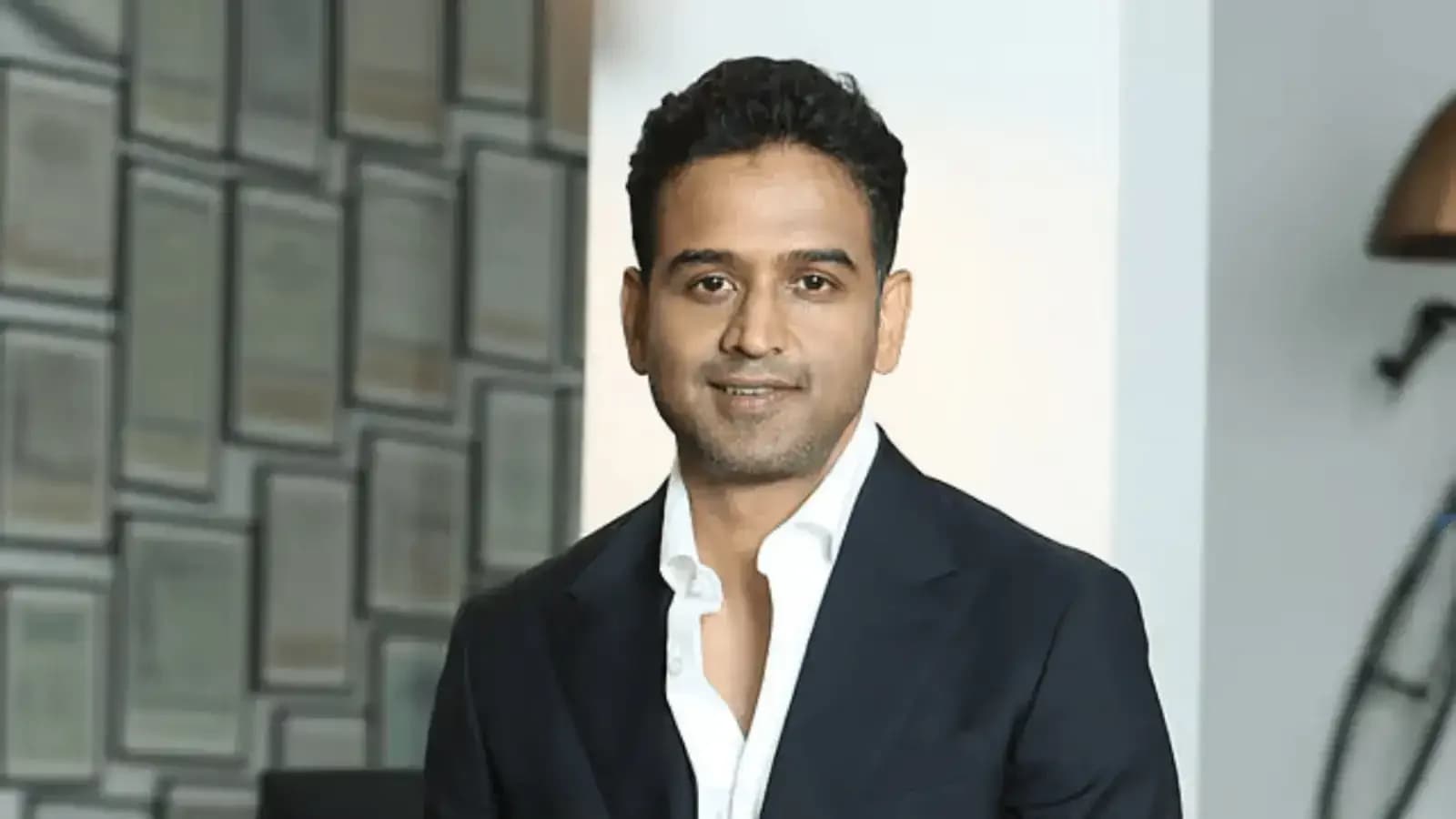
Kamath also referred to the possible impact of artificial intelligence, saying the technology carries a 'non-trivial probability' of worsening existing inequalities. The comment comes at a time when business leaders, policymakers and economists globally are debating whether AI-led productivity gains will be widely shared or concentrated among capital owners and highly skilled workers. This concern reflects broader discussions about how emerging technologies could exacerbate existing wealth divides, particularly as AI adoption accelerates across industries.
Kamath questioned the broader purpose of wealth accumulation in financial assets, arguing that capital locked in assets that continue to appreciate does little to benefit society beyond those who already hold it. As reported by Moneycontrol, he called for a shift in mindset, suggesting that even a small portion of wealth being redirected toward activities that improve lives could make a meaningful difference. He noted that 'If that wealth isn't in motion… the fabric that holds us together will only continue to fray'. His remarks add to a wider conversation in India and abroad on wealth creation, redistribution and philanthropy, particularly as equity markets and startup valuations have created a new generation of ultra-wealthy founders and investors.