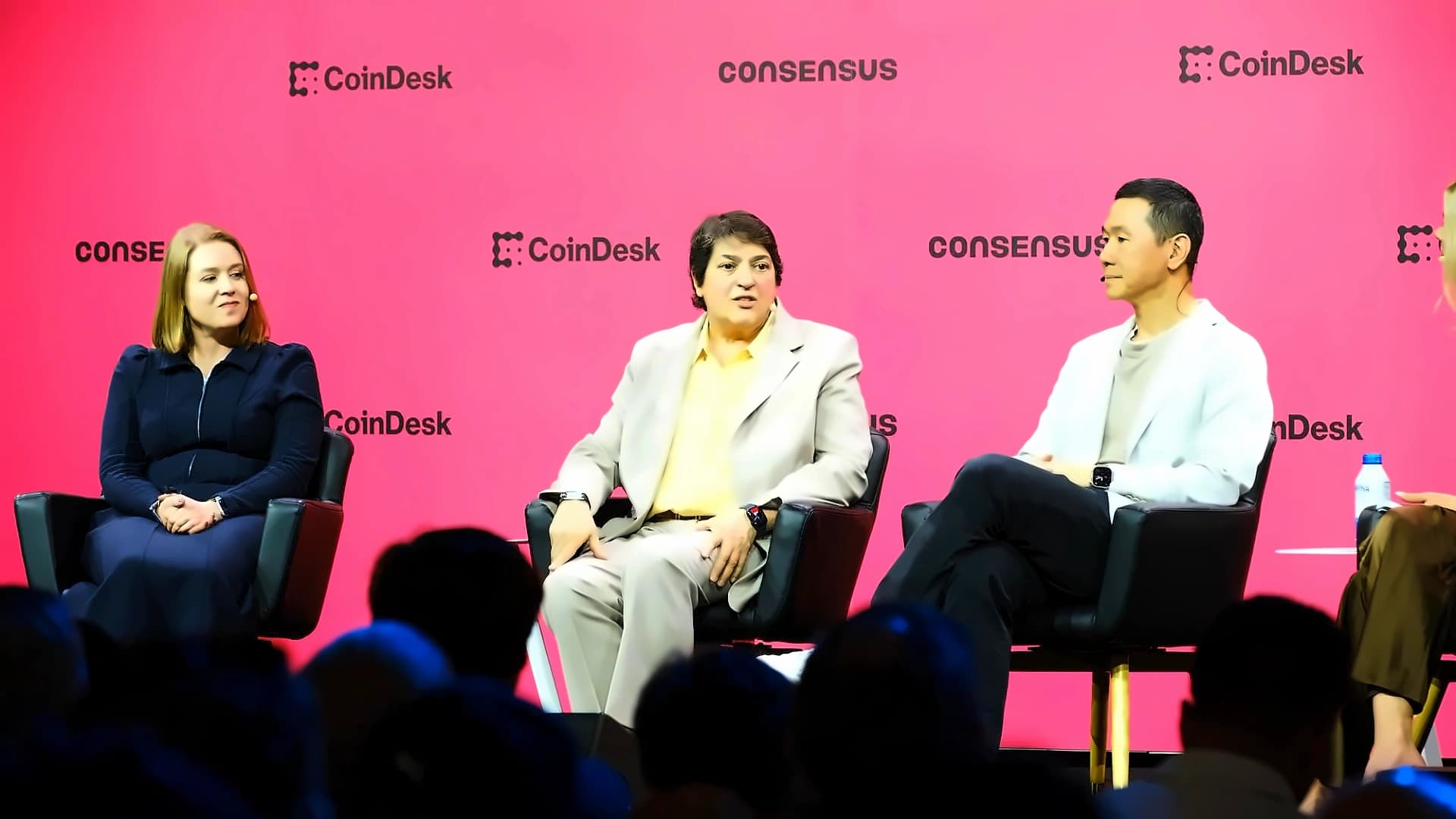
Major Wall Street institutions are moving blockchain-based tokenization from pilot programs to production-ready systems handling real client volumes. According to reports from Consensus 2026, Citi's tokenized deposit system has grown from handling millions to billions in the past year, as stated by Ryan Rugg, who leads digital assets for the bank's treasury and trade solutions unit. JPMorgan's blockchain platform Kinexys has processed more than $1 trillion in transactions, demonstrating the scale of real-world adoption. The shift represents a move away from building parallel systems toward integrating blockchain rails into existing financial infrastructure.
The primary driver behind tokenization adoption is client demand for 24/7, real-time movement of money and securities rather than traditional banking hours. As reported by Consensus 2026, this demand is reshaping corporate treasury functions, collateral management, and cross-border payments. Large corporations can now move funds in real time across time zones and holidays, eliminating the need for pre-positioning cash days in advance. This enables instant reaction to margin calls or investment opportunities, fundamentally changing how treasury operations function.
Rather than replacing existing systems, Wall Street executives emphasize integration of blockchain rails into existing market infrastructure to enable faster settlement and continuous operations. According to Kara Kennedy from JPMorgan's digital assets unit, the focus is on stitching blockchain technology into existing systems rather than building parallel systems. DTCC is working to bring parts of its $150 trillion securities infrastructure onto a shared digital layer, with initial rollout plans already underway. As noted by Nadine Chakar from DTCC, "You can't just replace what exists. This is an evolution."
Despite the technological advancement, Wall Street executives maintain that core intermediary functions like risk management, compliance, and settlement guarantees remain essential and cannot be fully replicated in decentralized systems. According to Chakar from DTCC, "We will always need some level of intermediation." Crypto-native players acknowledge this transition phase, with Evan Auyang from Animoca Brands noting that fully native onchain markets are not ready yet given existing system scale and regulatory constraints. However, he emphasizes that "If there's efficiency and cost savings, it will be adopted," suggesting traditional finance and decentralized systems are converging.