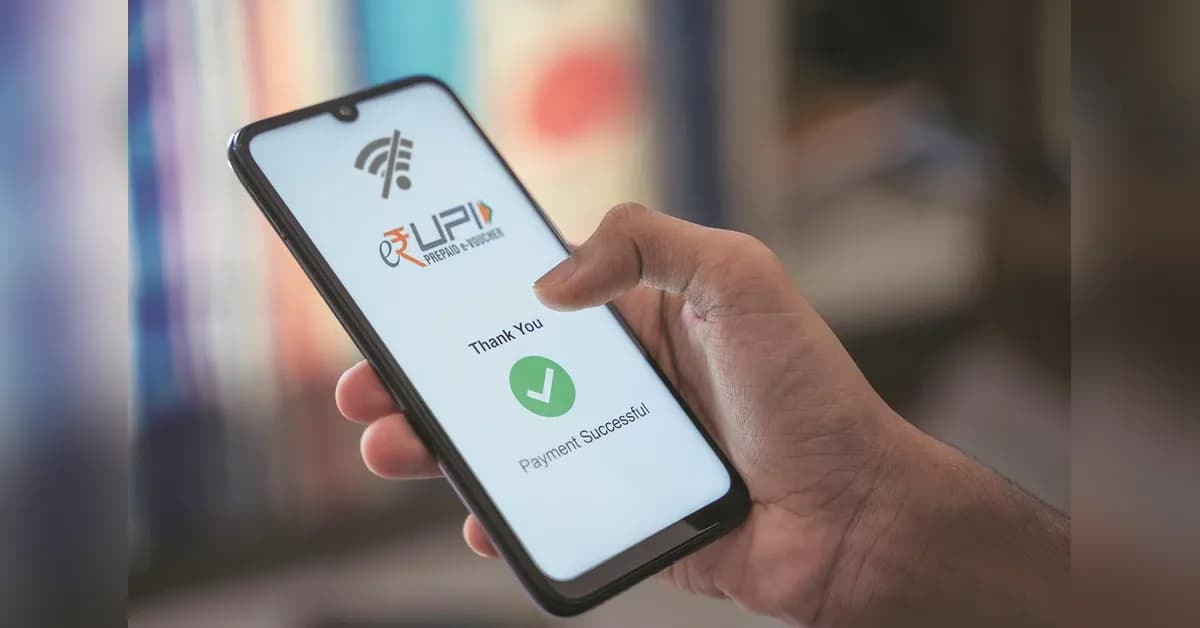
The National Payments Corporation of India (NPCI) is developing an offline UPI system that could enable NFC-based merchant payments without internet connectivity, using secure tokens and deferred settlement. According to reports from Business Standard, users will be able to tap and pay at offline merchant terminals using near-field communication (NFC) technology, with transactions capped at ₹2,000. This replicates the card-tap experience users are already familiar with, allowing merchants to accept offline payments for the first time. The development builds on NPCI's 2023 rollout of UPI Lite X, which enabled offline transfers between two NFC-enabled smartphones, extending this offline functionality to PoS machines for the first time. The proposed system will allow users to make payments by simply tapping NFC-enabled devices and capturing the recipient's UPI ID or Virtual Payment Address (VPA), eliminating the need to scan a quick-response (QR) code.
As reported by Business Standard, PoS companies will need certification from NPCI to accept UPI in an offline setting. The proposed system relies on three key technologies: NFC, offline tokenisation and deferred settlement. NFC enables tap-and-pay transactions by allowing two devices to exchange information when placed a few centimetres apart, with the transaction process similar to contactless card payments but settled through India's UPI infrastructure. Offline tokenisation replaces live bank authentication by storing a limited number of secure payment tokens or prepaid payment value while online, with these tokens representing authorised payment capacity without exposing actual bank account credentials. Deferred settlement allows payments to be initiated offline while ensuring funds are transferred only after connectivity returns, with NPCI developing safeguards to prevent duplicate claims and ensure secure settlement.
According to Business Standard reports, the new capability opens use-cases such as payments on flights and underground trains, metro stations, remote areas and retail outlets where mobile networks may be weak or unavailable. A fintech industry source noted that this addresses operational issues faced by card issuers on airlines, creating opportunities for UPI adoption. The transaction limits starting small make it a relevant use-case, particularly as some card issuers have restricted card usage on airlines due to operational challenges. The move would help close one of the last remaining gaps between UPI and card networks, which have long supported offline transactions through chip-based authorisation. The timing is particularly appropriate as India has emerged as the world's largest real-time payment market, accounting for nearly half the global real-time payment transactions.
As reported by Business Standard, UPI processed 22.71 billion transactions worth ₹22.02 trillion in June, reflecting the platform's extraordinary scale and growing acceptance across the economy. According to the Reserve Bank of India's Payments System Report, the average ticket size of UPI transactions declined from ₹1,848 in 2021 to ₹1,313 in 2025, indicating that UPI is increasingly being used for routine, low-value purchases. This makes an offline payment option particularly relevant for everyday retail spending, especially for transactions up to ₹2,000. The payments network now accounts for 85% of India's digital payment volumes, processing an average of 66 crore transactions worth about ₹0.86 lakh crore every day.