Yes Bank shares jumped over 4% on Wednesday after major brokerages identified the lender as a key beneficiary of new MDR charges on select UPI transactions above ₹2,000. The stock reached ₹24.10 on the NSE, leading advances on the Nifty Bank and Nifty Private Bank indices, which were trading with marginal gains. The stock has gained more than 6% over the past week and 11% so far in 2026, reflecting strong investor confidence in the new fee structure's impact on the bank's earnings potential. Meanwhile, CMS Info Systems shares gained as much as 7% to their day's high of ₹239 on the BSE after becoming a potential direct beneficiary of the government's MDR decision.
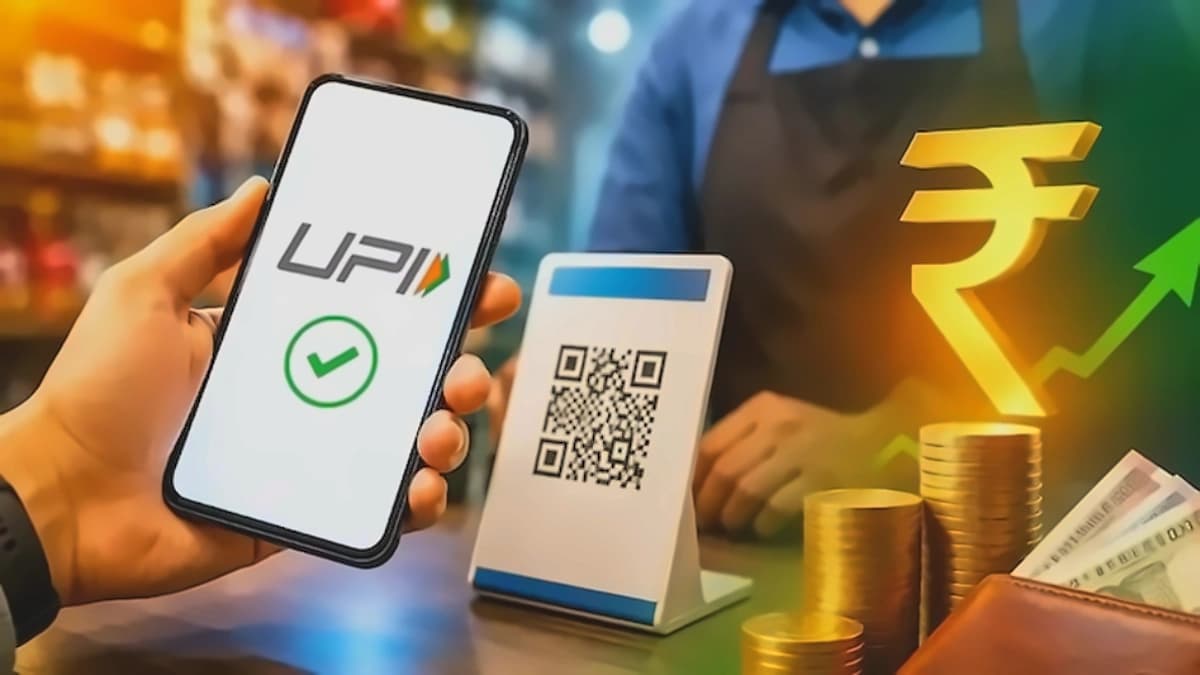
The government is set to introduce a Merchant Discount Rate (MDR) on select Person-to-Merchant (P2M) UPI transactions from October 15, requiring merchants to pay a 0.4% fee on transactions above ₹2,000. According to the National Payments Corporation of India (NPCI), a maximum fee of ₹300 can be levied on such transactions of ₹75,000 or more. The authorities clarified that consumers will not be charged for making UPI payments, while Person-to-Person (P2P) transfers will also remain free. Small merchants classified under the P2PM framework, including vendors receiving up to ₹1 lakh a month through UPI QR codes, will continue to be protected from MDR charges. The Reserve Bank of India (RBI) backed the introduction, stating the move will help strengthen the long-term sustainability of India's digital payments ecosystem.
Paytm is positioned to capture the larger absolute opportunity with analysts estimating FY28 UPI MDR revenue of up to ₹1,160 crore. According to JM Financial, transactions above ₹2,000 accounted for just 4% of P2M transaction volumes in July but represented 68% of transaction value. Emkay Research takes an even more bullish view, estimating FY28 UPI MDR revenue of ₹11.2 billion and calculating that the discounted value of the stream could add ₹434 billion to Paytm's valuation, equivalent to ₹678 per share. This creates a potentially sizeable revenue pool, with Jefferies estimating the industry opportunity at ₹15,000 crore to ₹18,000 crore to be shared among issuing banks, acquiring banks, payment apps and other participants in the UPI ecosystem.
Pine Labs could see a sharper impact on earnings with the new revenue stream potentially contributing about 20% to its EBIT and profit before tax estimates. Despite having a smaller UPI base, the company's smaller opportunity in absolute terms translates to potentially greater earnings impact. The distinction between the two fintechs could shape how investors value them as the new framework takes effect from October 15. JM Financial estimates that Paytm's FY28 adjusted EBITDA uplift could range from 2.5% to 52.1%, depending on the eligible GMV and the effective flow-through.
Citi has provided the most detailed bank-level assessment, identifying Yes Bank as the biggest potential beneficiary with an estimated 6% to 12% increase in profit before tax. As reported by The Financial Express, the brokerage estimates Bank of Baroda, Punjab National Bank, and IndusInd Bank as potential beneficiaries with around 2% PBT benefit each. Axis Bank, State Bank of India, and Federal Bank could see a 1% to 2% PBT benefit, while HDFC Bank, ICICI Bank, Kotak Mahindra Bank, and AU Small Finance Bank could see benefits of less than 1%. Citi expects net incremental revenue for the UPI ecosystem at around ₹16,000 to ₹17,000 crore annually. The 40-basis-point merchant discount rate would be distributed among several participants: 12 basis points retained by the acquiring bank, 16 basis points as interchange to the remitter or issuing bank, 8 basis points to third-party application providers, and 4 basis points to payer payment service providers.
Yes Bank's Chief Vigilance Officer (CVO) Binu Soman has tendered his resignation for better career growth opportunities, the company announced in an exchange filing on Tuesday. He submitted his resignation on June 17, and the bank has relieved him from his duties from Tuesday onwards. The company placed on record its appreciation for the services rendered by Mr. Binu Soman during his association with the Bank. This leadership change comes as the bank prepares to benefit from the new UPI fee structure implementation.