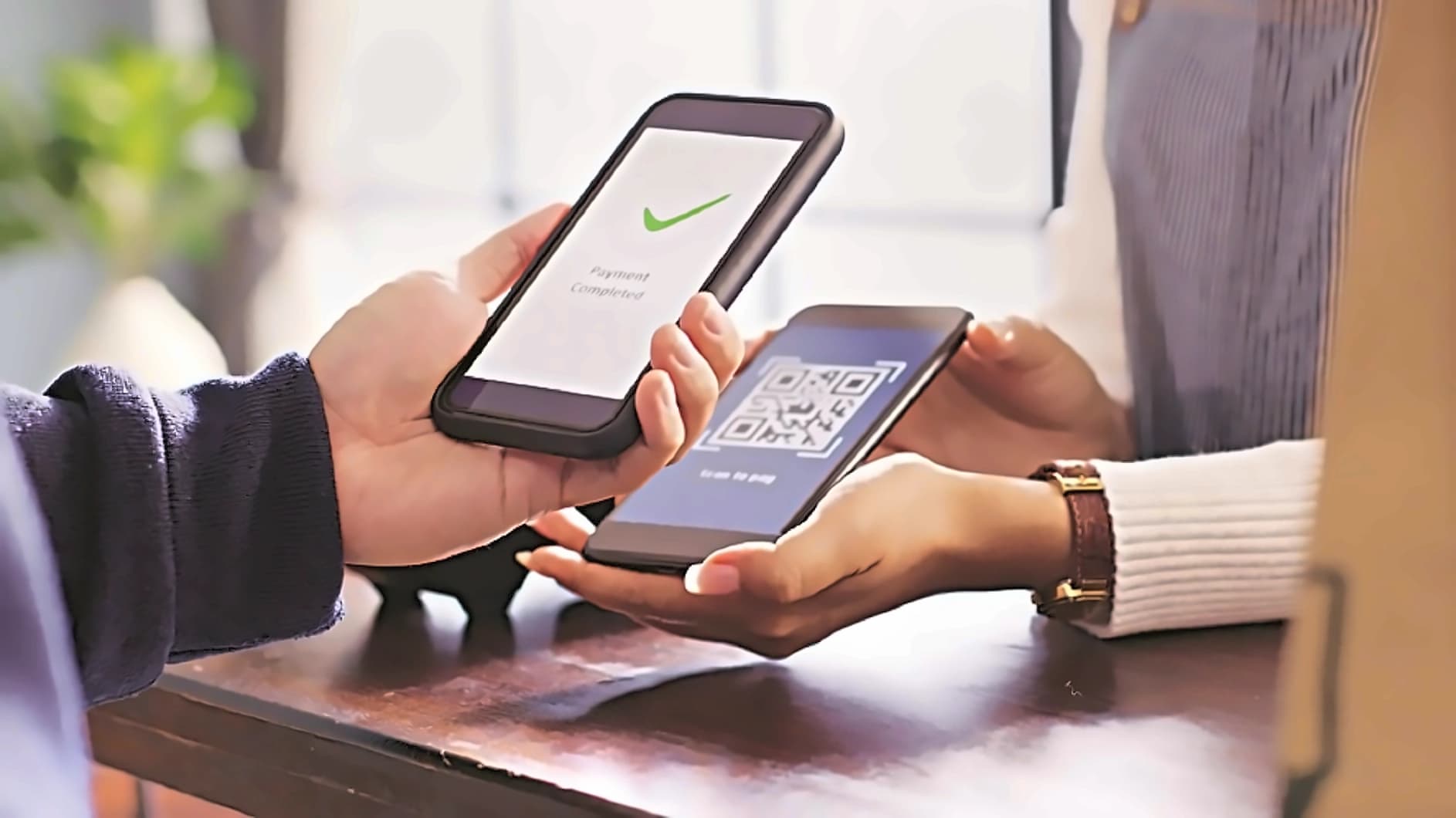
The government has introduced a 0.4% merchant discount rate on specified UPI payments above ₹2,000, effective from October 15. According to reports from Moneycontrol, payments up to ₹2,000, person-to-person transfers and eligible small merchants remain exempt from the new fee structure, with separate rates applicable for certain sectors. This framework represents a shift from the previous system, though the government has assured that customers will not bear the direct cost of the fee. The ₹2,500 threshold creates significant economic implications, with a ₹2,500 transaction attracting ₹10 in MDR at the 0.4% rate. As reported by The Times of India, transactions above ₹2,000 represent a relatively small share of UPI's volume but a much larger share of its value, creating a targeted revenue stream while leaving the bulk of low-value payments untouched. The Hindu BusinessLine reports that UPI, used by over 500 million people in India, will cease to be free from October 15 after regulators permitted the new fee structure.
The scale of the revenue opportunity is substantial, with finance ministry data showing only about 4% of person-to-merchant transactions exceed ₹2,000, meaning 96% will remain unaffected. Applying a 0.4% fee to the value of transactions above the threshold would imply roughly ₹24,000 crore in annual fee revenue. However, the actual revenue distribution under the new structure shows 40% going to issuing banks, 30% to acquiring banks, 20% to third-party application providers (TPAPs) and 10% to payer banks. According to Mint, Goldman Sachs estimates that the industry's annual revenue pool could reach ₹20,600 crore by FY28. Bernstein estimates suggest the new fee could generate annual revenue of up to $1.1 billion for payment apps by March 2028, with PhonePe and Google Pay potentially earning about $900 million annually based on their market share. The move creates a new revenue pool for the payments ecosystem, with dominant UPI apps PhonePe and Google Pay—together accounting for roughly 80% of transactions—positioned to capture a significant share of this revenue, particularly as the top two players accounted for 78.3% of transactions and 81.8% of transaction value. The Hindu BusinessLine reports that Walmart-backed PhonePe and Google Pay could earn hundreds of millions of dollars a year in extra revenue from the new fee structure.
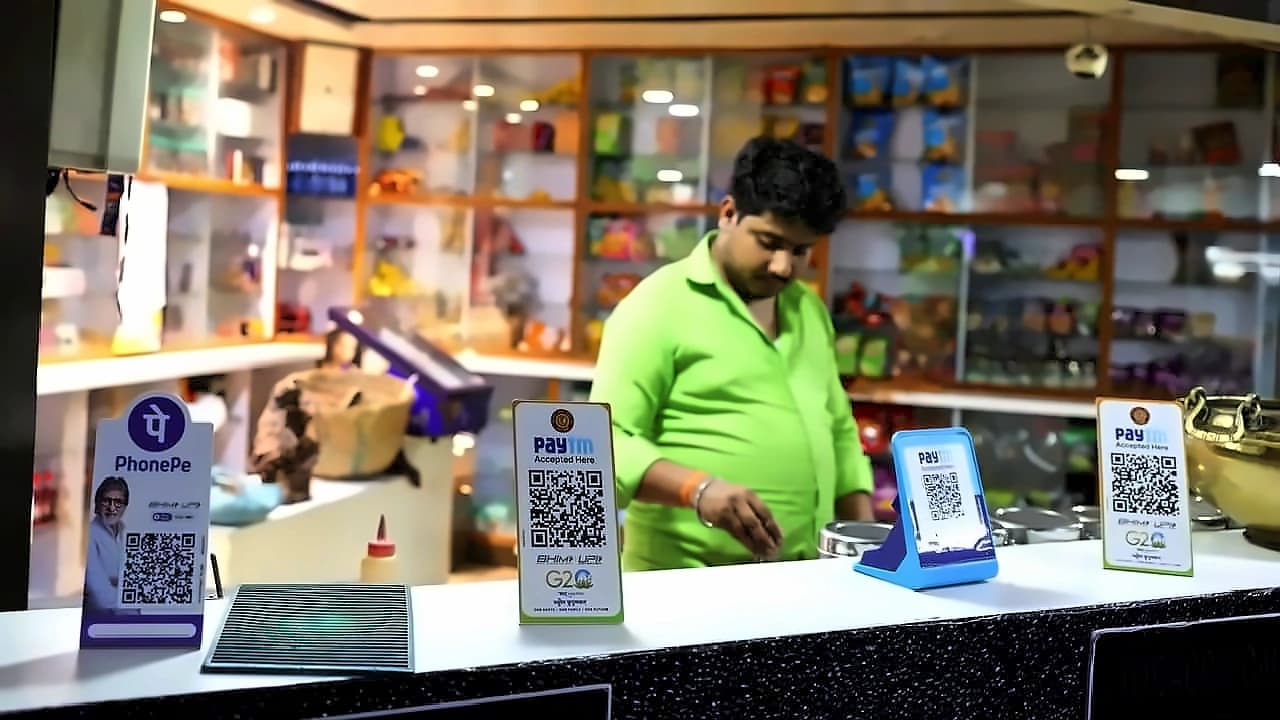
India's UPI market is already highly concentrated, with the top two players PhonePe and Google Pay accounting for 78.3% of transactions and 81.8% of transaction value, while Paytm holds a distant third position with 8.1% of transaction volume. Smaller players including Navi, super.money, BHIM, FamApp and WhatsApp Pay together account for less than 10% of volume. The MDR structure will concentrate revenue among the largest players, as PhonePe and Google Pay would capture most of the TPAP share of the new revenue pool. Bipin Preet Singh, co-founder of MobiKwik (ranked 15th), expects the fee to push players towards bill payments and online commerce, as the industry shifts toward person-to-merchant payments over promoting peer-to-peer transfers. Joseph Sebastian from Blume Ventures notes that while the reform may help smaller players with existing distribution, the largest benefits are likely to accrue to large firms like PhonePe or Google Pay. The Hindu BusinessLine reports that greater firepower for the two players could also revive questions over whether regulators will try again to check their dominance in UPI payments. The National Payments Corporation of India has twice deferred a decision on imposing a 30% market-share cap, though this cap remains under consideration.
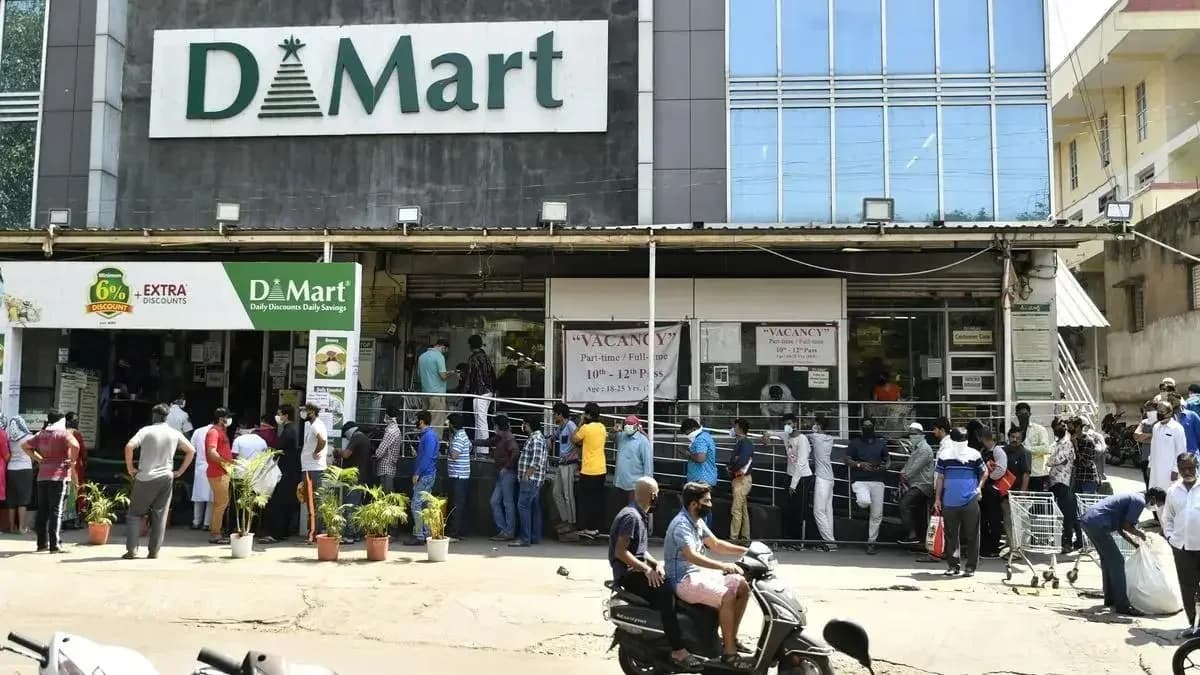
UPI's growth is increasingly being driven by small retail purchases, with NPCI data showing that groceries and supermarkets account for 25.8% of P2M transaction volume, with an average ticket size of just ₹217. Fast-food outlets and restaurants account for another 10% of transaction volume, with an average ticket of ₹122 in 2026, down from ₹272 and ₹126 three years earlier. The average UPI ticket size has fallen steadily from ₹3,867 in FY17 to ₹1,525 in FY24, continuing to decline on a monthly basis as consumers increasingly use UPI for smaller purchases. P2P transfers, which account for roughly 37% of transaction volume and more than 70% of transaction value, remain exempt regardless of amount. Small merchants receiving up to ₹1 lakh a month through UPI QR codes are also exempt, leaving most consumer and small-business transactions outside the MDR framework. The end of UPI's six-year reign as a free network marks a shift from the ecosystem built around free payments, whose rapid adoption was driven by factors including India's 2016 demonetisation, the COVID-19 pandemic and heavy customer incentives. The Hindu BusinessLine reports that the new revenue pool could give PhonePe and Google Pay greater incentive to expand beyond large urban centres into rural India, an expansion that was previously less commercially viable.
The introduction of MDR addresses critical security and reliability concerns that have emerged with UPI's rapid adoption. Finance ministry data shows reported UPI payment frauds rose from 407,000 incidents involving ₹242 crore in fiscal year 2022 (FY22) to 1.63 million involving ₹1,226.37 crore in FY26 through 15 March, broadly in line with rising adoption. The payments industry argues that tackling these threats requires sustained spending, with PhonePe chief executive Sameer Nigam noting that fintech firms and banks had been absorbing the costs of fraud losses, chargebacks and cybersecurity investments while operating in a zero-MDR environment. The MDR policy earmarks 5% of collections for a Small Merchant Development Fund for merchant onboarding, technical support and digital safety initiatives. A Artha Global survey found that about 60% identified server downtime and transaction failures as the biggest areas that need improvement, noting that given the zero-MDR regime, banks and payment service providers lacked commercial incentive to invest in upgrades. The MDR brings UPI closer to global models such as China's Alipay, Singapore's PayNow and Pix in Brazil, where fees range from 0.6% to 1.5%. However, the UPI fee has also drawn political criticism and prompted concerns that merchants could pass the cost on to consumers, potentially encouraging a shift back to cash in Asia's third-largest economy.