Google Pay has launched its second co-branded credit card in under a year, partnering with SBI Card to introduce the Google Pay Flex SBI Card. According to Business Standard, this follows Google Pay's first cobranded credit card with Axis Bank on the RuPay network in December last year. The contactless card was launched on July 29, 2026, and is available on both RuPay and Visa payment networks, with the RuPay variant supporting UPI linking capabilities. As Sharath Bulusu, senior director at Google Pay, explained to Business Standard, users are moving more of their primary spends onto the card while maintaining the same monthly spending rate, indicating they're getting a good share of wallet from Flex users. At the launch, Google emphasized that the card is intended to make digital credit as accessible and seamless as everyday UPI payments through a digital-first experience.
The Google Pay Flex SBI Card represents a strategic move to accelerate digital-first credit issuance, enabling users to register, receive credit lines, and link cards to UPI through a fully digital experience. According to multiple reports, the partnership channels card applications through the Google Pay platform, allowing SBI Cards to lower cost of funds and acquisition expenses significantly. The card drives credit-on-UPI transaction volume, which has been expanding rapidly across Tier-2 and Tier-3 cities, positioning it well to capture the rapid surge in credit-on-UPI transaction velocity. By integrating directly into Google's 530 million payment base, the card bypasses high traditional distribution costs and leverages the tech ecosystem to drive customer acquisition. The RuPay-UPI convergence enables seamless credit-based payments at millions of merchant locations across India, with the RuPay variant allowing users to link their credit card with UPI for credit-based transactions.
Google has launched a Gemini-powered conversational AI feature called 'Ask Google Pay' within its payments app to help users analyze spending patterns and understand financial concepts. According to the company, this opt-in feature allows users to ask questions about their finances using text or voice and receive personalized insights based on their Google Pay transaction history and credit report data. The AI assistant supports 10 Indian languages and is designed to answer financial queries in a conversational format, covering topics such as systematic investment plans (SIPs), credit scores, compound interest, tax regimes, savings tips and suitable financial products. Google emphasized that the AI assistant provides financial information and insights for educational purposes only, with users' financial data remaining under their control. The company also announced that Flex cardholders will soon become eligible for a 50% discount for one year on the Google AI Plus plan, along with additional reward stars on purchases and discounts on Google Pixel smartphones.
The card offers reward points called Stars on eligible spending across categories including groceries, bill payments, travel bookings, utility payments, shopping, and everyday purchases. As reported by Business Standard, customers can earn up to 18,000 Stars annually, with rewards of up to 8 Stars for every cumulative ₹500 spent, depending on monthly spending milestones. Stars can be redeemed instantly during eligible UPI payments through the Google Pay app or against vouchers, with 1 Star equivalent to ₹1. The rewards are linked to spending during a billing cycle, with customers earning up to 8 Stars for every cumulative ₹500 spent, depending on monthly spending patterns. New cardholders will receive welcome benefits worth ₹1,000, including ₹500 credited after making the first payment using Google Pay and an additional ₹500 worth of Stars credited to their Google Pay account after payment of the joining fee. Unlike traditional reward programmes, the card allows rewards to be adjusted instantly at the time of payment, making the redemption process simpler.
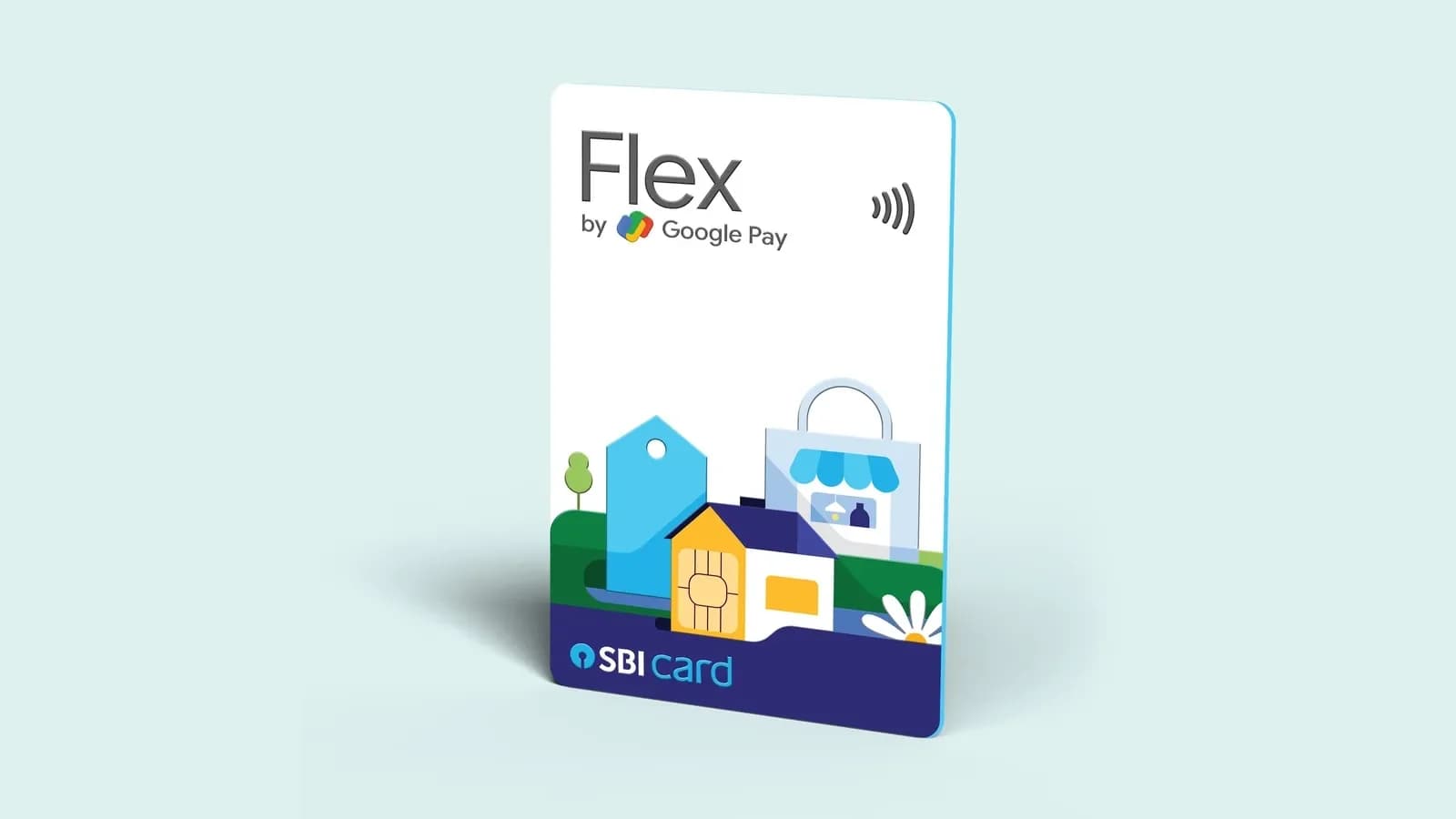
The joining and annual renewal fee is ₹499 plus applicable taxes, with the annual renewal fee waived on achieving annual spends of ₹1,00,000. According to Business Standard, the card offers an activation benefit of 2 Stars for every ₹500 spent during the first two reward cycles and accelerated rewards of 2 Stars for every ₹500 spent on eligible transactions. The fee structure positions the card towards mass-market digital users who want reward benefits without moving into premium credit card categories. Additionally, customers receive ₹500 credited after the first payment made through Google Pay and additional Stars worth ₹500 credited after payment of the joining fee. The card also offers the option to convert the latest outstanding credit card bill into EMIs and supports tokenisation on Google Pay for tap-to-pay transactions. The RuPay variant allows users to link their credit card with UPI, enabling credit-based payments at millions of merchant locations across India.
The launch follows strong financial performance by SBI Cards during the first quarter of FY27. The company reported a 20% year-on-year increase in standalone net profit to ₹664 crore, compared with ₹556 crore in Q1 FY26. SBI Cards' total credit card spends increased 27% year-on-year to ₹1,18,475 crore, highlighting continued growth in consumer spending and digital transactions. The company's total cards-in-force reached 2.26 crore, registering 7% year-on-year growth. Asset quality also improved during the quarter, with the company's Gross Stage 3 ratio declining to 2.04% from 2.41% in Q4 FY26, supporting profitability and reducing pressure from stressed assets. The company's Gross credit cost declined to 6.5%, demonstrating improved operational efficiency. Commenting on the launch, Salila Pande, Managing Director & Chief Executive Officer at SBI Card, said the company remains committed to building innovative and customer-centric products that create long-term value as India's digital payment ecosystem continues to evolve.