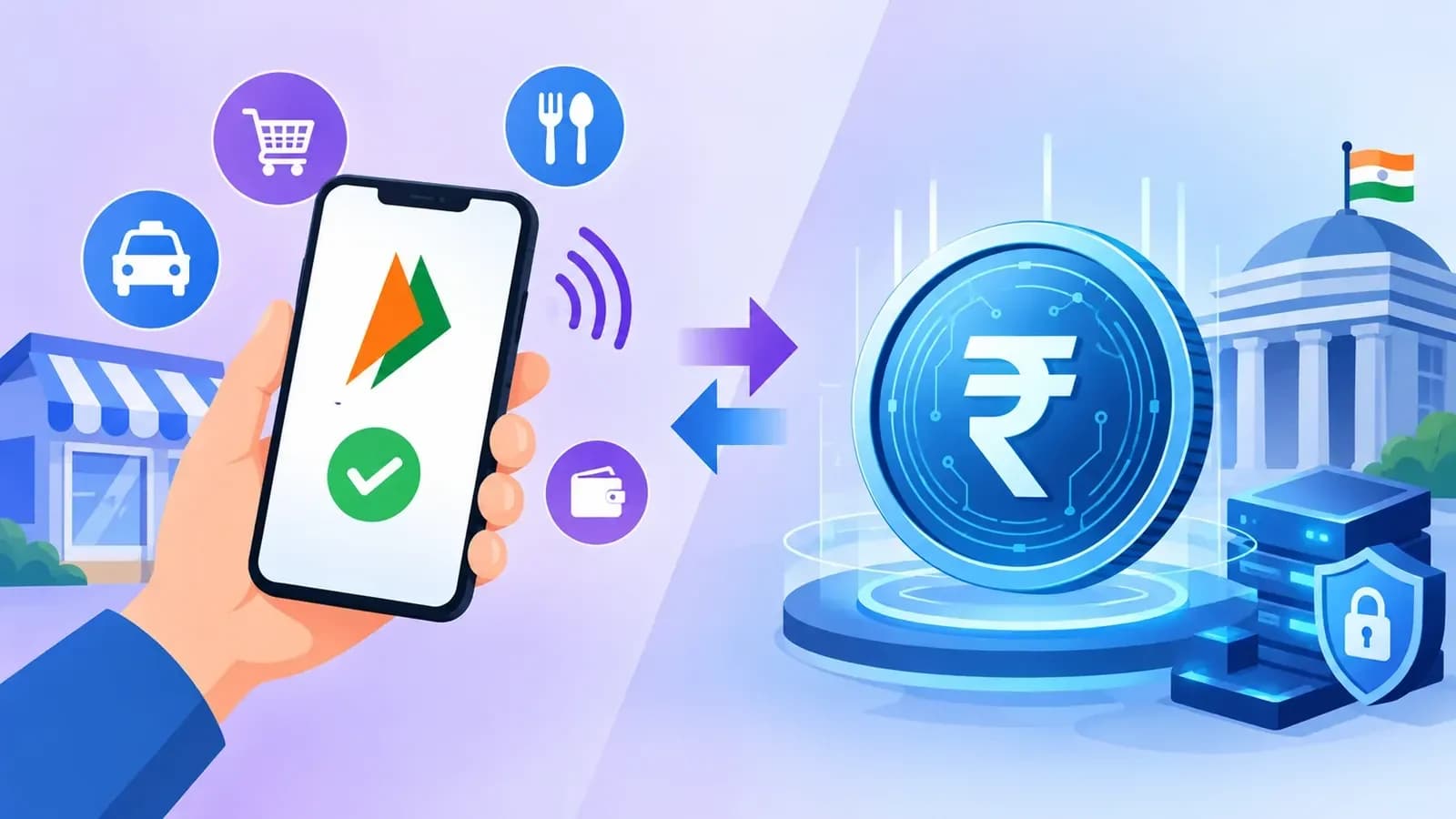
The Reserve Bank of India is actively exploring offline digital payment solutions through its HaRBInger Innovation Challenge, as reported by the central bank. According to the RBI, this initiative encourages innovations that reimagine digital payment possibilities, specifically enabling offline e₹ transactions using Bluetooth and NFC technology. The central bank emphasizes that the future of payments should work everywhere, in every situation, including locations with limited or no internet connectivity. The RBI stated: "What if you could make payments - even without internet connectivity? Through HaRBInger, RBI is encouraging innovations that reimagine the possibilities of digital payments, such as enabling offline e₹ transactions using Bluetooth and NFC."
The National Payments Corporation of India (NPCI) has introduced robust offline UPI alternatives to complement the RBI's e₹ initiatives, as reported by BankBazaar. UPI Lite acts as an on-device digital wallet inside existing UPI apps, allowing users to pre-load up to ₹2,000 from their bank account when internet connectivity is available. Once loaded, users can make individual payments of up to ₹500 without requiring a UPI PIN, ensuring transactions go through even when bank servers are congested or internet connection is weak. For absolute zero network coverage situations, UPI Lite X uses Near Field Communication (NFC) technology to complete payments by holding your phone close to a merchant's NFC-enabled device, instantly transferring money from your offline wallet to theirs without relying on any mobile data or Wi-Fi.
The RBI's official Digital Rupee FAQ reveals that the offline feature of e₹ enables users to transact in locations with limited or no internet connectivity, as reported by the central bank. Different solutions are currently being explored by the RBI, with one approach facilitating transactions without internet connectivity but still requiring telecom connectivity. Another solution leverages NFC communication on merchant point-of-sale terminals to enable offline transactions. The offline feature is expected to mirror the advantages of physical cash and provide a reliable solution for usage in remote areas, including during network outages or travel situations. However, RBI's initiative does not mean that offline e₹ payments are currently available to all users - the technology is still being explored and developed as part of the innovation challenge.
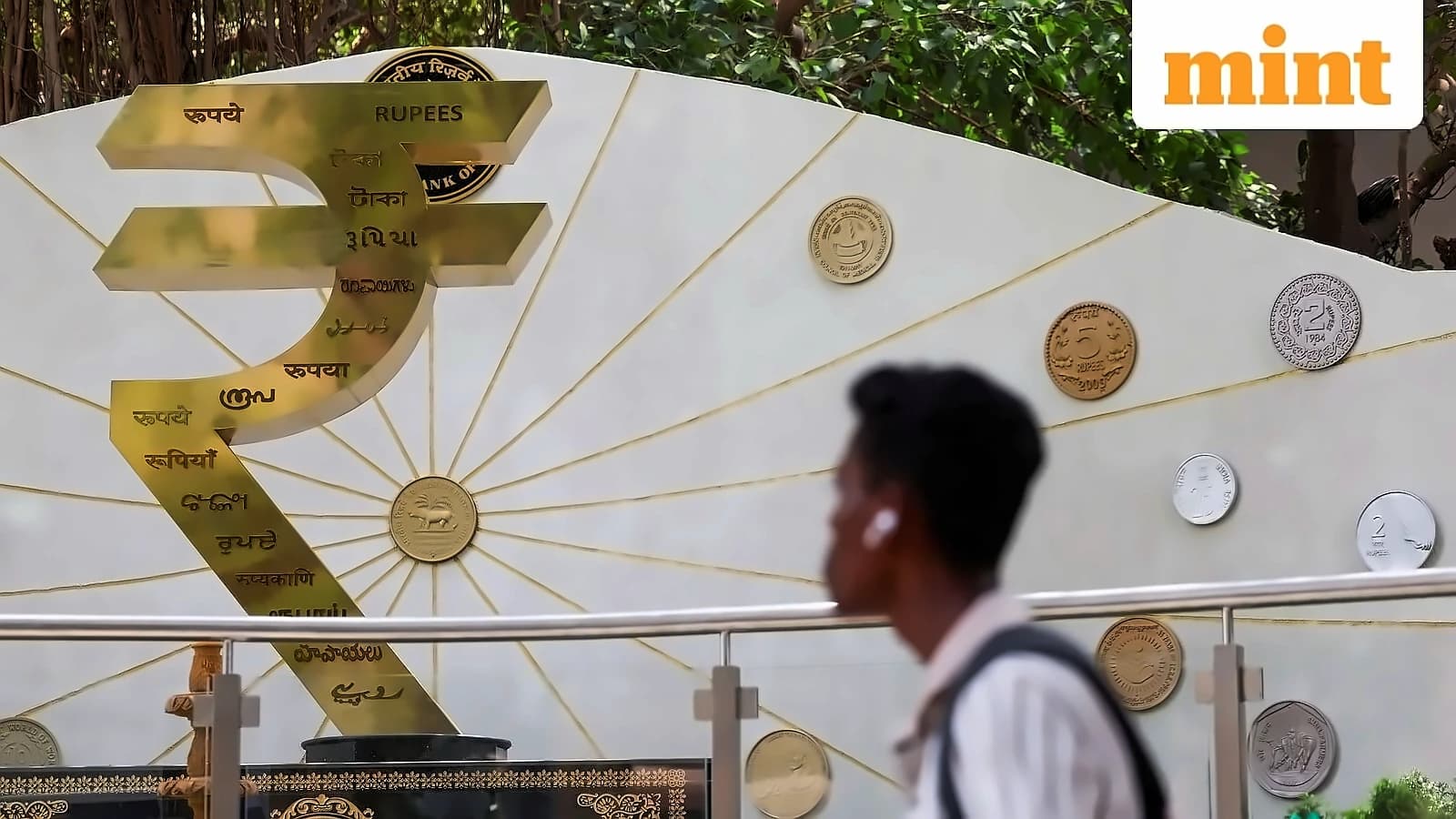
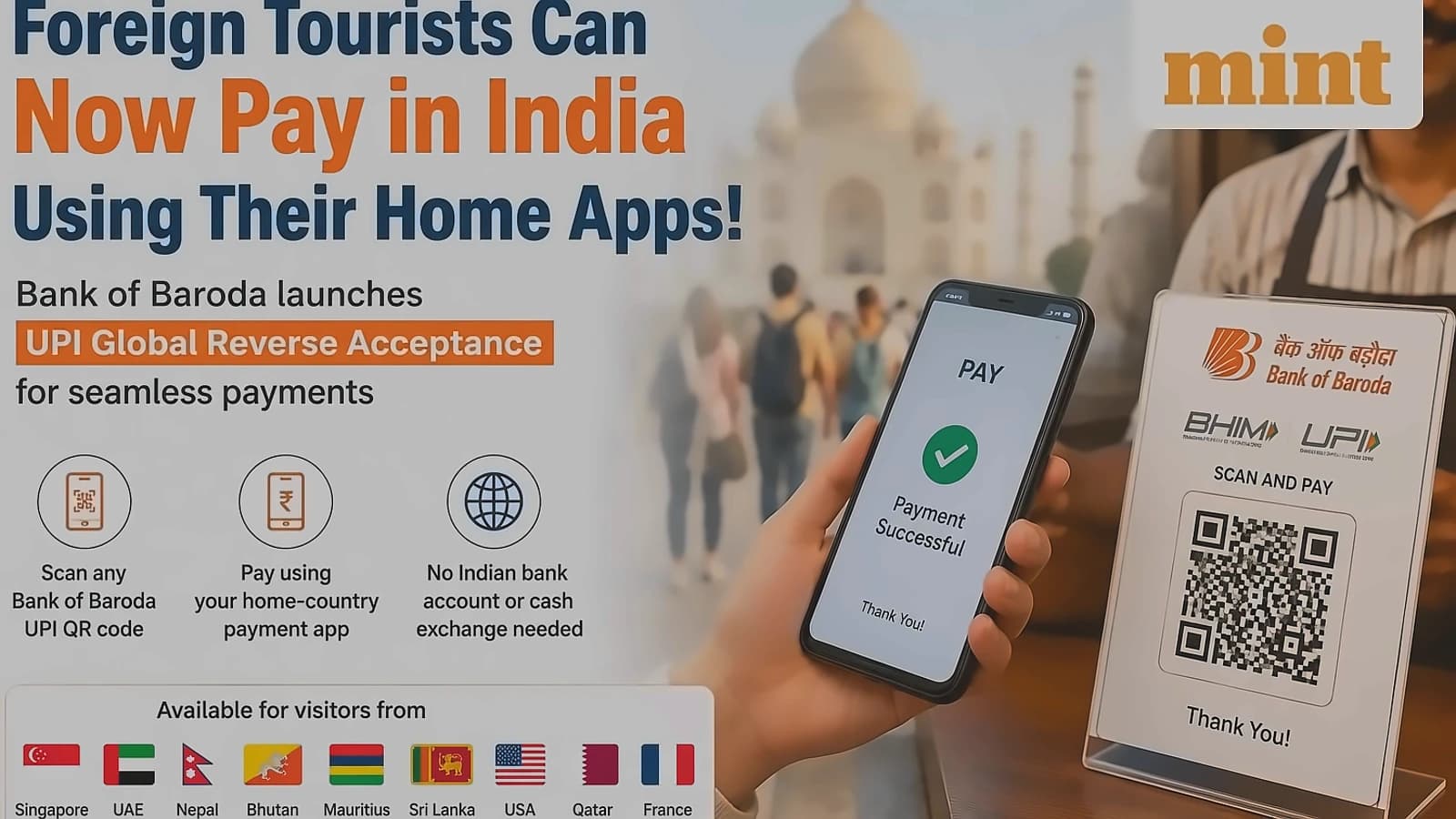
The RBI maintains a clear distinction between the digital rupee and UPI, according to its official FAQ. e₹ is described as a digital form of ₹ whereas UPI is a means of payment, as explained by the central bank. E₹ can serve as a store of value, allowing users to withdraw e₹ from their bank account and keep it separately in their e₹ wallet. For CBDC QR code transactions, settlement occurs between two e₹ wallets and is settled instantaneously without passing through users' bank accounts. An e₹ app can also scan a UPI QR code, with settlement following UPI settlement timelines. An individual can start using the e₹ wallet by downloading the e₹ app from the Play Store or the App Store and following the instructions, according to the RBI's FAQs. Payments to merchants can be made by scanning either the CBDC QR code or the UPI QR code available at the respective merchant location.
The RBI confirms that the Digital Rupee is currently being pilot tested through studies in the country, covering both retail and wholesale segments, as reported by the central bank. The e₹ pilots are described as limited-scale, controlled roll-outs intended to test the technology, architecture, scalability, applications, features, use cases and acceptance of e₹. This pilot testing phase represents the broader exploration of how digital rupee transactions can function in circumstances where internet connectivity is limited or unavailable. The central bank has not announced a launch date for the offline e₹ feature, with the digital rupee currently being pilot tested across the country. The offline feature is part of this broader process of exploring how digital rupee transactions can work in situations where internet connectivity is limited or unavailable.