The Reserve Bank of India has issued directives to banks to strengthen their systems for addressing recurring customer complaints and gaps in regulatory compliance. In a meeting held last month, the regulator asked banks to identify underlying systemic, process-related and operational issues contributing to complaints and undertake root-cause analysis of recurring complaints, according to people familiar with the matter. The regulator also called for stronger capacity building and grievance handling to reduce complaint recurrence rates.
The directive comes as more than 1.33 million complaints were received in fiscal 2025 under the RBI's ombudsman scheme, representing a 13.55% increase from the previous year. As reported by The Economic Times, the regulator reiterated concerns and shared major complaint categories based on complaints handled by RBI ombudsman offices. The Deputy Governor emphasizes that every complaint has two stories - the immediate customer experience and the underlying deficiency that caused it, with traditional analysis often missing the crucial 'why' questions that prevent organizations from learning from recurring patterns.
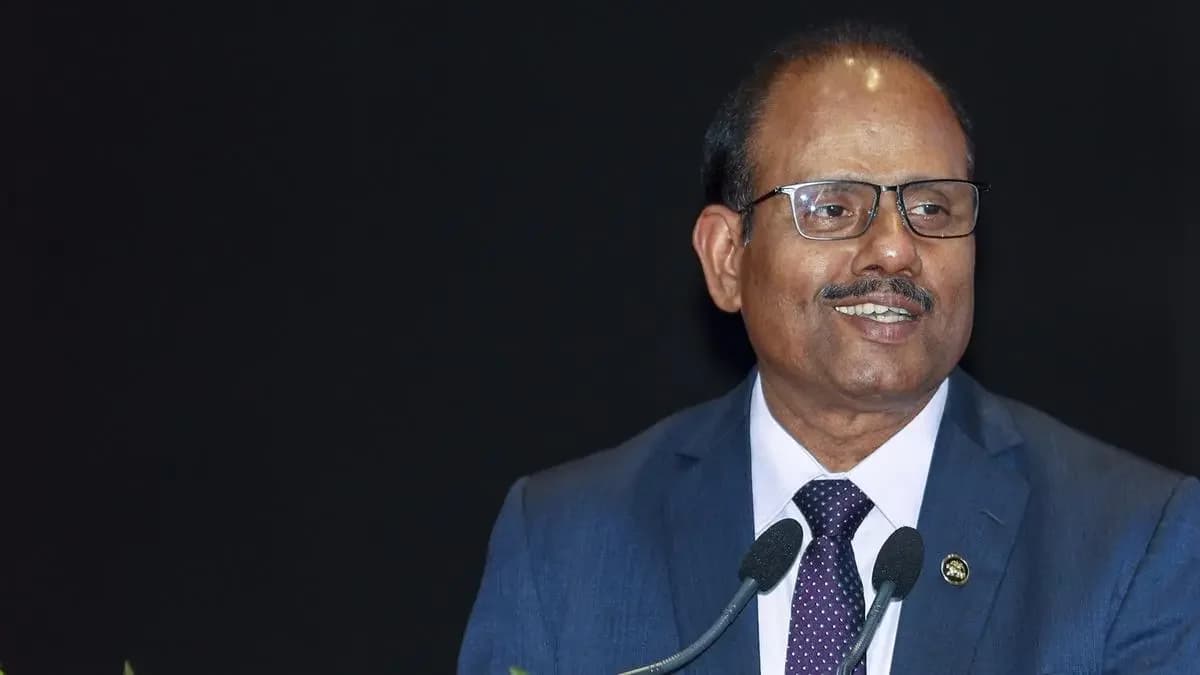
At the annual conference of internal ombudsmen in July, central bank deputy governor Swaminathan J noted that a significant proportion of complaints resolved in favour of customers at the RBI ombudsman level were not referred to the internal ombudsman in the first place. According to The Economic Times, this is a matter of serious concern because it undermines the very purpose of the internal ombudsman framework. The Deputy Governor requested regulated entities to review their internal grievance redress processes carefully and asked their internal ombudsmen to identify recurring issues and help implement remedial measures.
The Reserve Bank - Integrated Ombudsman Scheme, 2026 (RB-IOS, 2026) came into effect in July 2026, introducing jurisdiction-neutral handling of complaints under the 'One Nation One Ombudsman' approach. As reported by The Economic Times, banks are now discussing internal mechanisms including capacity building at the industry level, besides each bank board will formulate their own strategies as per the RBI overall directives. The new framework aims to prevent complaints from inadvertently bypassing the internal ombudsman process due to classification issues or process deficiencies.

The next evolution in grievance redress involves moving from counting complaints to understanding them, from understanding to identifying patterns, and from patterns to improving underlying customer journeys. According to the Deputy Governor's perspective, a good grievance redress system provides effective remedies when problems occur, while a good learning system ensures that one customer's experience helps prevent similar problems for future customers. This approach transforms complaint analysis from a record-keeping exercise to a systematic method for testing whether intended customer outcomes are actually being achieved.