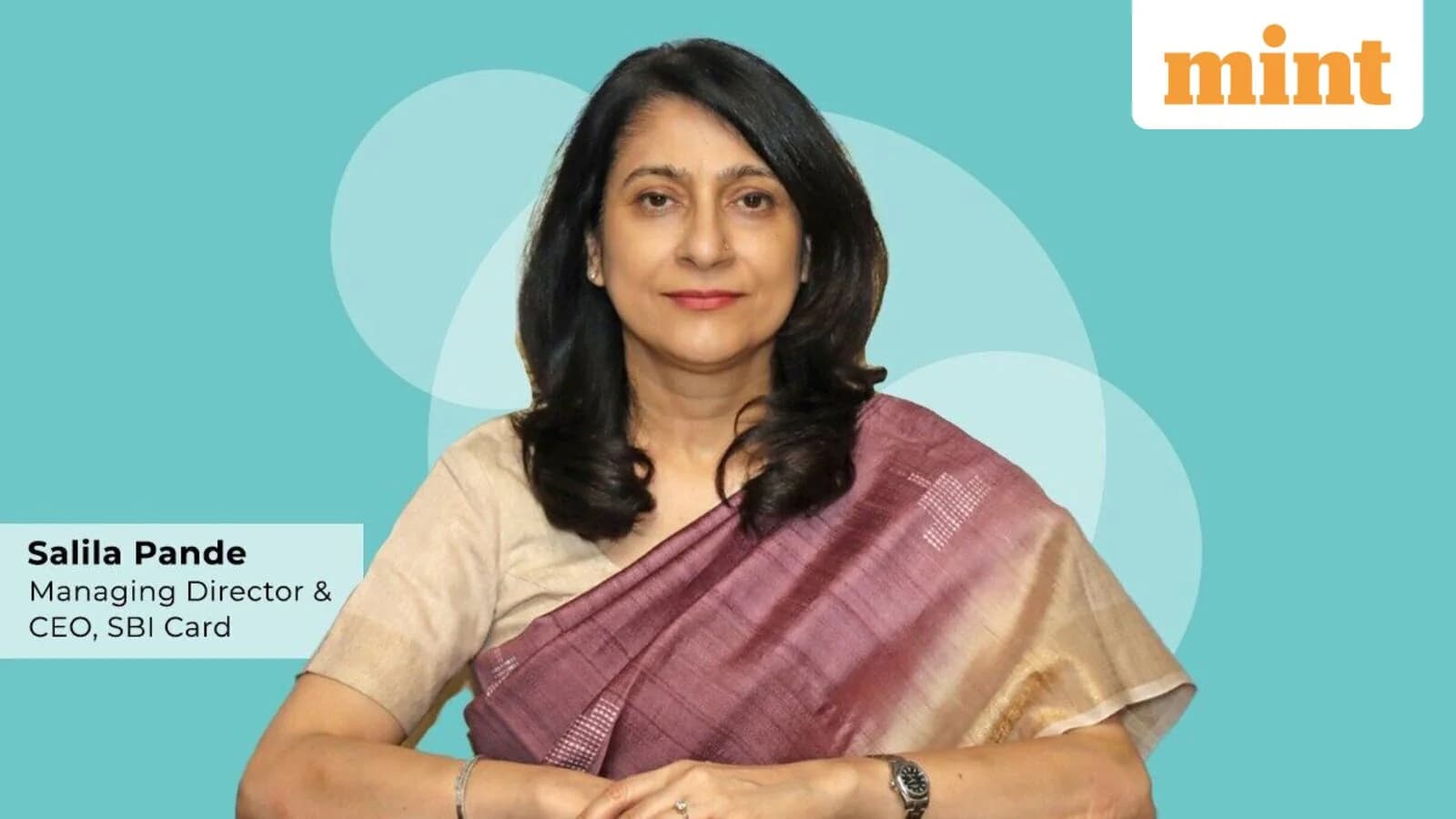


Digital payments are experiencing a fundamental transformation in India, with credit cards evolving from competitors to complementary partners of UPI systems. According to Mint reports, Salila Pande, MD & CEO of SBI Card, explains that UPI drives daily transactions while credit cards provide liquidity, rewards, and financing flexibility. This integration is enhancing credit card usage across India, leading to higher adoption and penetration rates in the rapidly evolving payments landscape.
The shift toward digital payments is accelerating rapidly, with SBI Card reporting retail spends grew 14% YoY to ₹91,962 crore across most PoS and online categories in Q3 FY26. As reported by Mint, online spending share in retail spending rose to 62.1% in the first nine months of FY26, up from 58.5% in the same period of FY25. Key spend categories include department stores, health, utilities, education, consumer durables, furnishings, apparel, restaurants, jewellery, and travel.
Structured credit solutions are becoming increasingly important for managing large purchases, with EMIs significantly enhancing affordability and improving cash flow management. According to Mint interview, these payment options allow customers to spread large expenses into manageable monthly payments while maintaining liquidity and predictable finances. The focus remains on responsible design and transparent communication to provide flexibility without creating deeper debt traps.
Credit cards are increasingly viewed as lifestyle companions rather than purely borrowing instruments, with customers seeking adventure through travel and exclusive lifestyle benefits or rewarding shopping experiences. As reported by Mint, SBI Card has developed an extensive product portfolio ranging from super-premium to mass segments, with cards like SBI Card MILES resonating with frequent travellers and SimplyCLICK SBI Card appealing to online spending customers. The company emphasizes that while lifestyle benefits drive initial adoption, sustained engagement ensures loyalty through relevant rewards and offers.
The credit card industry is positioned for strong long-term growth over the next five to 10 years, driven by government reforms and technological advancements. According to Mint reports, AI-led underwriting and advanced analytics are enabling dynamic limit management, real-time fraud detection, and contextual credit. Hyper-personalisation is redefining value delivery, with rewards and offers becoming more aligned with individual spending behavior to enhance customer engagement and relevance.