Reserve Bank Governor Shaktikanta Das has highlighted that the Unified Payments Interface (UPI) system has the potential to evolve into a cheaper, quicker alternative to available channels of cross-border remittances. Speaking at the Global Conference on Digital Public Infrastructure and Emerging Technologies as part of RBI@90 initiative, Das emphasized that UPI's instant real-time payment system allows users to transfer money on a real-time basis, across multiple bank accounts without revealing details of one's bank account to the other party. The system has already gained international acceptance, with countries like Bhutan, France, Mauritius, Nepal, Singapore, Sri Lanka, and the UAE currently accepting UPI payments, as reported by The Times of India.
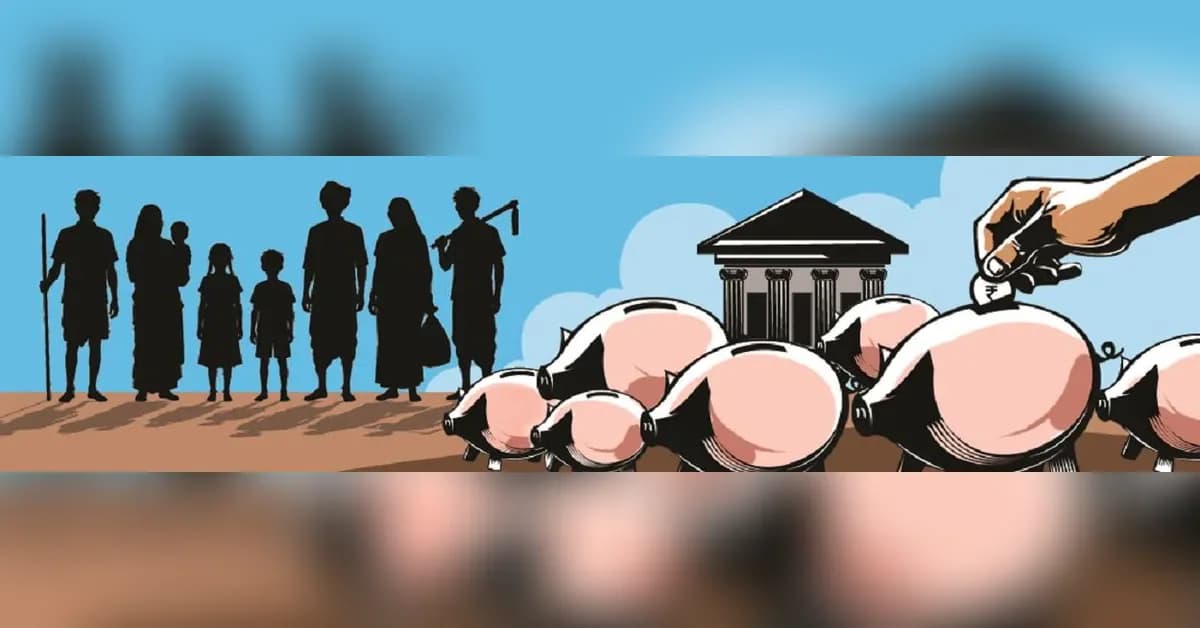
The poor's savings potential remains largely untapped despite significant progress in payments infrastructure. According to reports from Business Standard, while remittances have benefited inclusive customers through technology advancements including UPI adoption, savings products have not received similar attention. The regulatory framework currently restricts savings innovation, with default risk borne by vulnerable customers creating cautious regulatory approaches. High costs of frequent small-ticket transactions cannot be passed to poor customers through lower interest rates, making product structuring complex for volatile cash flows. As noted by experts, the myth persists that the poor cannot save - they borrow and repay installments with interest, demonstrating their capacity for financial planning.
The payments ecosystem has created a foundation for savings innovation, as reported by Business Standard. Core banking solutions, interoperable ATMs, internet and mobile telephony, and NPCI establishment have established an infrastructure that benefits the poor as collateral beneficiaries. The policy of not loading user charges has accelerated UPI adoption, though deeper rural penetration and women's participation remain challenges. With every family having a PMJDY account and potential inflows from direct-benefit transfers, banks could build innovative products that justify technology and rollout investments. According to expert analysis, all innovation in the payments space happened outside the banking system with players like Paytm, PhonePe, BharatPe and BHIM, while digital-lending innovation is also happening outside the banking ecosystem with fintechs leading the franchise.
Regulatory restrictions provide savings privileges exclusively to banks, creating a barrier to innovation. As reported by Business Standard, bankers are expected to provide stability and are cautious about experiments with savings products due to default risk concerns. The poor demonstrate appetite for savings through various channels including Ponzi schemes, chit funds, and lightly regulated NBFCs like Sahara, showing innovation occurs under regulatory radar. Previous experiments by Kshetriya Grameen Financial Services in Odisha and Tamil Nadu offered money-market mutual funds to the poor, though these were not without market risks and lacked insurance coverage. Experts note that the regularity with which the poor are scammed with savings as bait shows there is appetite for savings and no dearth of imagination, but this happens under the regulatory radar.
The article suggests that NPCI and the Reserve Bank Innovation Hub are best positioned to drive savings innovation, given their regulatory leverage and banking system relationships. According to Business Standard, digital-only banks could license innovative savings products, while PMJDY accounts could serve as anchor accounts for multiple savings products. As noted by experts, the best candidates to think out of the box are NPCI and the Reserve Bank Innovation Hub, both having the ear of the regulator and leverage with the banking system. The question remains whether NPCI will act as an interface with banks as a background engine, similar to their role in BHIM. Digital-only banks could license innovative savings products, while PMJDY accounts could serve as anchor accounts for multiple savings products.
The analysis indicates that getting savings from microfinance customers could reduce leverage-related stress for banks while capturing borrower assets into their books. As reported by Business Standard, the poor save across various asset classes including goats, poultry, gold, silver, and utensils for pawning, suggesting potential for financial products that mimic these liquidity, return, flexibility, and safety characteristics. The poor save not only in the form of stashing away cash and informal deposits, but also putting money in different asset classes - goats, backyard poultry, gold, silver, and utensils for pawning. It is possible for the financial system to mimic the liquidity, return, flexibility and safety by offering financial products that address the requirements of the poor. With the rollout of technology for small payments done, savings in the regulated space are waiting for innovation, but who will bell the cat?