
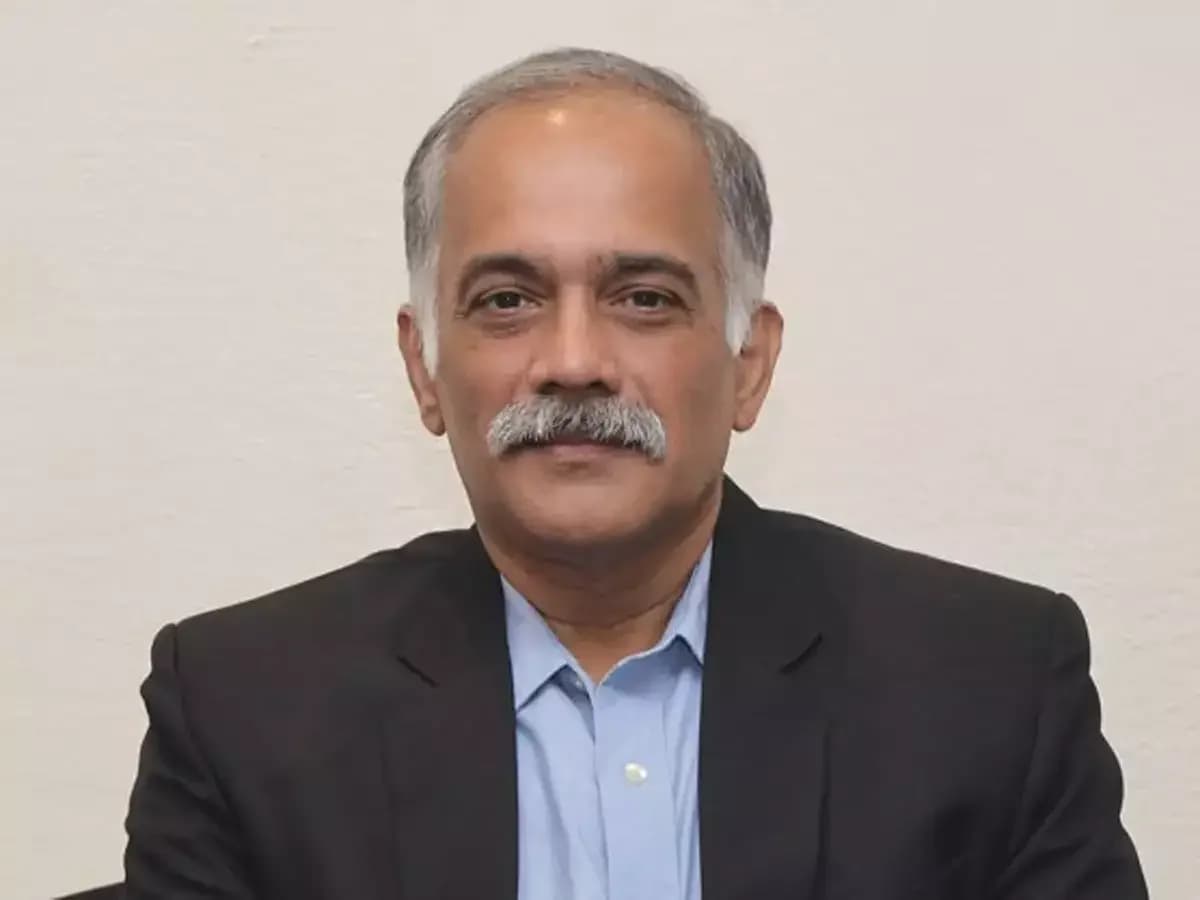
The microfinance sector has moved past its most challenging phase and is experiencing a clear turnaround, according to Sadaf Sayeed, Chief Executive Officer of Muthoot Microfin. Sayeed firmly stated that the bad days for microfinance are behind us, with the sector now showing steady recovery driven by improving collections, lower delinquencies, and a return to measured growth. The recovery is supported by stronger demand and improving confidence on the ground, marking a significant shift from the sector's previous difficulties.
Muthoot Microfin expects assets under management to rise by 15% in FY26, growing from approximately ₹12,200 crore at the start of the year to nearly ₹14,000 crore by year-end. Disbursements have gained momentum, reaching about ₹6,500 crore so far, with the full-year figure likely to be close to ₹10,000 crore. This pickup in lending activity reflects both stronger market demand and improved operational confidence across the microfinance sector.
Asset quality has emerged as a key pillar of the company's turnaround story. The portfolio disbursed during the current financial year is showing almost no stress, with delinquencies around 0.5% and negligible non-performing assets. Collections across the broader loan book are also improving significantly. Credit costs, which were elevated at 9.4% last year, are now running at the lower end of guidance and expected to close the year below 4%.
The improvement in asset quality is translating into stronger profitability metrics for Muthoot Microfin. Sayeed highlighted that the company should deliver a return on assets of around 1.75%, which translates into a return on equity in the range of 12-15%. Operating efficiency is also showing steady improvement, with the cost-to-income ratio trending down towards 55% by the end of FY26. These metrics demonstrate the company's successful navigation through the sector's challenging period.
Alongside operational recovery, Muthoot Microfin is increasingly leveraging the bond market to support growth and diversify its funding profile. Currently, around half of its funding comes from bank term loans, while nearly 30% is sourced from non-bank channels such as non-convertible debentures and external commercial borrowings. The company raised around ₹1,000 crore from the bond market last year and is targeting about ₹2,000 crore this year. Sayeed explained that bonds, typically issued for three to five years, help improve asset-liability matching and offer greater flexibility as the company expands into individual loans and loan-against-property products that require longer-term funding.