Google Wallet is significantly expanding its digital ID capabilities beyond India's Aadhaar system, now supporting four additional countries for passport verification. According to 9to5Google, the service has added support for Singapore, Brazil, and Taiwan to its existing U.S. and UK passport capabilities. The feature is accessible through the 'Add to Wallet' menu under IDs and then creating an ID pass, which shows support for these four countries including the UK. Only one ID pass can be added to your Google Account, which can also be removed via the app or via myaccount.google.com. The process requires users to take a photo of their passport's info page and scan the NFC chip embedded in the passport, with a liveness check taking place with a selfie video to confirm authenticity.
Apple has introduced age verification capabilities for its digital ID system, addressing the growing demand for age-gated content and services. As reported by 9to5Mac, Apple's digital ID can now be used for creating new Apple Accounts, updating system software, changing select safety settings, or downloading apps with an 18 age rating. The feature is particularly significant as U.S. states and countries around the world enforce checks for adult content and gaming, with the trend extending to age-gating social media, video and streaming platforms. Apple notes that users can use their driver's license or government-issued ID, or a credit card to confirm that they're an adult, with passports, debit cards, and gift cards not supported. The system represents a major advancement in digital identity verification, enabling secure age verification across multiple platforms and services.
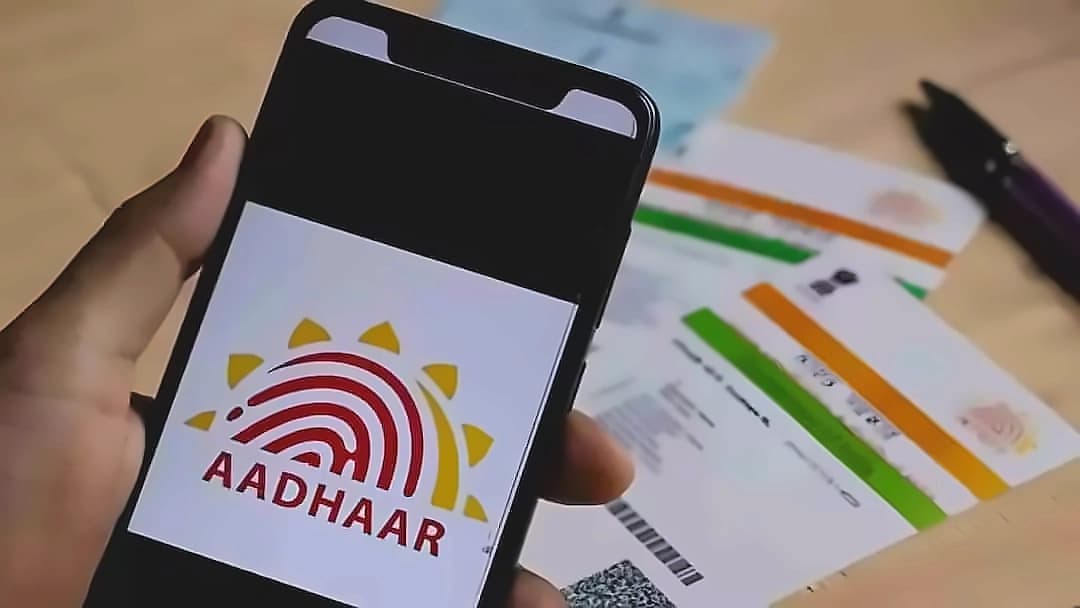
Google has officially confirmed that Indian users can now store their Aadhaar details in Google Wallet, marking the completion of the partnership announced earlier in January. According to Google's official announcement, the storage happens through Aadhaar Verifiable Credentials, an offline-verification protocol that UIDAI launched a few months ago. This represents a significant milestone as the feature is now live and operational for users, eliminating the need for physical ID cards and reducing repeated detail sharing requirements. The collaboration is part of Google's broader initiative to expand Google Wallet's scope in India, transforming it from a simple storage tool to a comprehensive digital companion for identity verification.
Google Wallet now supports Aadhaar verification across multiple platforms, significantly expanding its utility beyond the initial partners. Current authentication is supported by PVR INOX for age verification at movie theaters, BharatMatrimony for verified profiles, and Atlys for international visa applications through autofill capabilities. New partners include MyGate for community staff verification and Snabbit for gig and service provider identity checks. Google also indicated that additional services such as Snabbit may adopt the system for identity verification in the near future, demonstrating the practical applications of digital Aadhaar storage across various sectors. The tech giant confirms that more places will join soon, with MyGate and Snabbit specifically highlighted as upcoming partners for Aadhaar verification through Google Wallet.
Google is pitching this as a privacy-first approach with the credentials stored on your device and the system built on global digital ID standards. According to Google's group product manager Alan Stapelberg, "Building on our UIDAI partnership, consumers in India can now save their Aadhaar Verifiable Credentials directly in Google Wallet on the device." The idea is to reduce oversharing of personal data while still making verification quick and easy. Google is also rolling out its passport-based ID pass feature to Singapore, Taiwan, and Brazil alongside this India launch. The system includes a 'Reviewing your request' message that appears when the system cross-checks user details, with notifications sent once processing is complete. Users can access their digital Aadhaar through the Google Wallet app, where it sits alongside existing digital cards for boarding passes and bank cards. These digital IDs can be used for both online and in-person verification, including account sign-ins and age checks, enabling identity checks in a range of everyday scenarios.