According to a report by Kiwi, a fintech company that builds credit-on-UPI products, Gen Z approaches credit and spending differently from older generations. The company's internal data shows that younger consumers prefer convenience over maximizing rewards, with focus increasingly on ease and flexibility rather than simply maximizing rewards. As reported by Mint, Siddharth Mehta, Co-Founder and COO of Kiwi, stated that "Gen Z is not necessarily using credit more frequently; they are using it differently. Our data shows that convenience is playing a much bigger role in how younger consumers make payment and credit decisions." This behavior extends beyond financial decisions, with 57% of Gen Z buying themselves small treats at least once a week, according to a Bank of America report from late July. As Fortune reports, this treat culture serves as a coping mechanism for younger generations who have come of age during economic instability, global pandemic, and widespread social upheaval. Recent research supports this trend, with studies showing that time-saving expenses boost happiness more than material purchases do, as reported by The New York Times. Researchers found that about 28% of people across surveyed samples spent money monthly on time-saving services, and those who did were consistently happier, even after controlling for income.
The report reveals that Gen Z spends about 20% more on rental and education payments compared to older generations, indicating greater use of credit towards essential and recurring expenses. According to Kiwi's data, Gen Z prefers convenience especially visible in grocery spending, where these customers spend three times more on quick commerce. When it comes to quick commerce spending, the segment accounts for 2.6% of Gen Z's wallet share, compared to traditional retailers such as D-Mart at 0.85%. This contrasts with consumers aged over 30 years, who allocate a larger share of their grocery spending to physical retail stores and local shops. The generation's treat culture extends to online shopping, with Gen Z using grocery subscriptions 133% more often than Gen X, according to a 2024 PYMNTS survey of more than 67,000 consumers across 11 countries. Recent data from FinanceBuzz survey of 2,000 Americans reveals that 93% of Americans made an online purchase in the last week, with 77% of respondents saying they typically buy cable or internet services online versus just 12% who typically go to a physical store.
The data shows that younger consumers tend to use credit cards more selectively, with a preference for larger-ticket purchases rather than frequent, smaller transactions. As reported by Kiwi, Gen Z appears less focused on optimizing cashback across multiple cards, instead showing a stronger preference for convenience. The company has observed a 10% higher share of wallet among Gen Z users compared to millennials, indicating greater engagement with a payment proposition that combines the convenience of UPI with access to credit. For Kiwi users specifically, younger consumers are willing to opt for longer repayment periods to keep their monthly outgo manageable, even when this may result in higher overall financing costs. This aligns with treat culture behaviors, where small indulgences become ways to reward oneself for small wins and provide pick-me-ups after challenging days. Recent payment trends show that 58% of Americans still prefer a regular debit or credit card at checkout, while 20% said they prefer a card linked to a digital wallet like Apple Pay or Google Wallet.
While EMI adoption is lower among Gen Z, those who opt for EMI tend to make higher-value purchases and choose longer repayment tenures. According to the report, EMI adoption is lower among Gen Z, but those who opt for EMI tend to make higher-value purchases and choose longer repayment tenures. The trends point to a shift in how India's younger consumers approach credit, with convenience, flexibility and affordability of monthly payments emerging as important factors in their spending and financing decisions. Kiwi has issued more than 2 lakh RuPay credit cards in two years, as per the statement, and the report covered internal data from 25,000 users on the platform between June to July 2026. Despite the convenience benefits, nearly 60% of Gen Zers experience overspending from their treat culture, making little treats "a slippery slope," according to the Bank of America report. Recent research shows that 44% of Americans consider credit card rewards part of their online saving strategy, with 72% of shoppers factoring rewards or cashback categories into which card they use for a purchase.
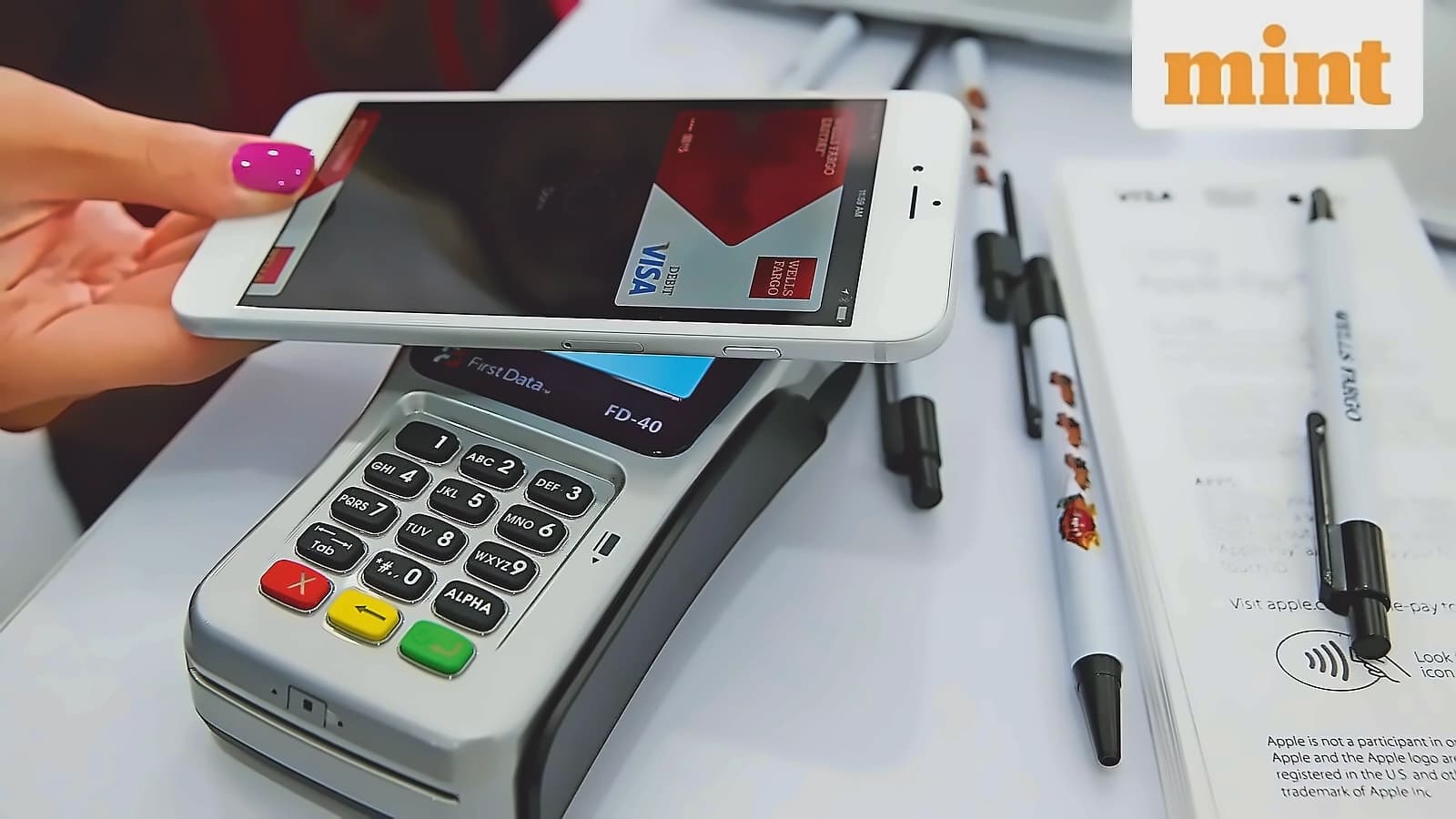
According to the latest FinanceBuzz survey, 21% of shoppers have abandoned a cart because a retailer didn't offer Apple Pay or Google Wallet, a number that jumps to 30% among Gen Z, for whom digging out a physical card is apparently one step too many. The survey reveals that 80% of Americans say they've used an AI tool to help make an online shopping decision, with the top use cases including figuring out the best products for their needs (67% of respondents), comparison shopping between products (67%), and price shopping (55%). However, 57% of shoppers say they trust customer reviews more than AI recommendations, compared to just 7% who trust AI more. When it comes to customer reviews, 94% of shoppers consult them before making an online purchase, far ahead of friends and family (44%), social media reviews (39%), and AI tools (31%). The survey also found that 70% of Americans say online shopping rewards are important when choosing or comparing credit cards, proving that for most shoppers, the card in their wallet is as much a part of the shopping strategy as the retailer's app.